The week before Thanksgiving, the grocery haul tends to arrive all at once. Bags of sweet potatoes for the casserole, a bunch of bananas for the kids, a few tomatoes for a salad, and the instinct is to cram everything into the refrigerator to keep it fresh until Thursday.
For 4 everyday staples, that instinct backfires. A University of California Agriculture and Natural Resources guide to storing fresh fruits and vegetables lists bananas, sweet potatoes, pink tomatoes and watermelon as produce to store only at room temperature, because cold storage dulls their flavor, color or texture.

1. Sweet potatoes: off-flavors and a hard core
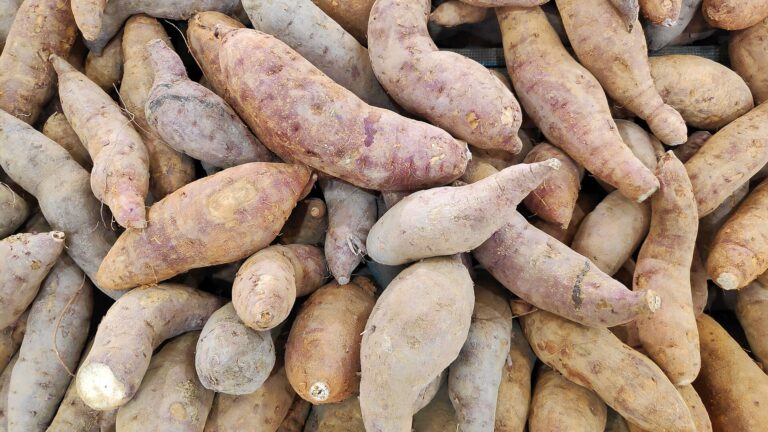
Sweet potatoes top the list for Thanksgiving cooks. The UC ANR guide, Storing Fresh Fruits and Vegetables for Better Taste, says refrigeration gives sweet potatoes off-flavors and a hard core when they are cooked. That is the opposite of what anyone wants in a holiday casserole or a pan of candied yams.
Clemson University’s Home and Garden Information Center agrees in its sweet potato basics fact sheet, which says not to refrigerate them, since refrigerator temperatures can cause dark spots and off-flavors. Clemson recommends a dry, well-ventilated spot instead, and choosing firm, well-shaped roots with smooth skins and no soft spots or bruises.
Penn State Extension explains the reason in its guide to sweetpotato curing and storage. The roots keep best at 55 to 60°F, and temperatures below roughly 50 to 55°F cause chill damage that leads to hard cores and off-flavors. Above 65°F, they tend to sprout and lose moisture. A cool pantry, basement shelf or cabinet away from the stove is the closest most kitchens get to that range. Finding room for a big bag of them is easier with a few of the most clever storage hacks to maximize every inch of space, from cabinet organizers to unused corners.
Sweet potatoes also belong to a long line of holiday foods with American origins, alongside the turkey, squash and corn on the list of Thanksgiving foods native to the Americas.
Once the sweet potatoes are baked into a casserole, the fridge becomes the right place for them. Cooked dishes go into the refrigerator, and anything that will not be eaten within a few days can be frozen, following the timelines for Thanksgiving leftovers in the freezer and fridge.
2. Bananas: dark skins and less sweetness
Bananas are the second item on the room-temperature list. According to UC ANR, refrigeration turns banana skins black and keeps the fruit from developing good sweetness. Bananas picked for export are harvested green and are shipped cool, at about 55°F according to Wikipedia’s banana entry, then ripened with ethylene gas once they arrive. At home, ripe bananas hold for a few days on the counter, and green ones can go into a brown paper bag with an apple or tomato overnight to speed things along.
The Fahrenheit numbers in all of these storage guides are their own small quirk. America’s reluctance to switch to metric measurements is one of the odd American traditions that confuse the rest of the world, which means a pantry kept at 55°F sounds very different to a cook in Europe, where the same spot reads about 13°C.
Not everything in the holiday haul belongs on the counter, though. Green beans do well cold, and households with a big haul can follow a guide on how to freeze fresh green beans to enjoy all year, which walks through washing, trimming and blanching before the beans go into the freezer.

3. Pink tomatoes: no ripening and flat flavor
Tomatoes that are still pink ripen better on the counter, UC ANR says, and refrigeration stops pink tomatoes from turning red. Even fully red tomatoes lose flavor in the refrigerator, according to the guide. For a holiday relish tray or a salad, the better plan is to buy tomatoes a few days ahead, let them finish on the counter out of direct sunlight, and slice them the day they are served.
4. Watermelon: no more than 3 days cold
Watermelon is less of a Thanksgiving fixture, but it rounds out the UC ANR list. Whole watermelon belongs at room temperature, and the guide says it should not stay in the refrigerator longer than 3 days, since it loses flavor and its deep red color after that. Once a melon is cut, the rules change: UC ANR says all fruits and vegetables should be refrigerated promptly once they are cut or prepared.
What the fridge is still good for
None of this means produce should skip the refrigerator altogether. UC ANR lists fresh-cut, ready-to-eat produce and ripened fruit among the items to refrigerate, and it suggests ripening Bartlett pears on the counter, where they turn yellow and sweeter, then moving them to the refrigerator for 1 to 3 days.
The guide also recommends keeping fruits and vegetables in separate refrigerator drawers. Apples and many ripening fruits give off ethylene, the gas that speeds ripening, and it can damage vegetables stored nearby. Ethylene is the same compound commercial packers use to ripen bananas. On the counter, UC ANR suggests a vented bowl or perforated bag rather than a sealed one, and in the refrigerator, perforated bags or a medium bag with about 20 pinholes.
For the week ahead, that adds up to a simple split: sweet potatoes, bananas, pink tomatoes and whole watermelon on the counter or in a cool pantry, and cut produce, ripe pears and cooked side dishes in the refrigerator.
This article was produced with AI assistance and edited for accuracy against the sources linked above.
Image: U.S. Department of Agriculture – Public domain/Wikimedia Commons