Walk into almost any American grocery store, and you will probably find a familiar dairy brand sitting in the cheese or ice cream section. Tillamook has grown from a small Oregon dairy cooperative into a national name, with estimated annual sales of $1.38 billion in 2025. Yet its story is different from that of many large food companies. It has expanded across the country while keeping ownership in dairy farmers’ hands.
That may sound like an ordinary business success story, but something about it is unusual. Ten cheese factories in Oregon formed Tillamook in 1909. More than a century later, it remains a farmer-owned cooperative. The company has about 60 farmer-owners, according to recent reporting, and its growth raises an interesting question: Can a food business become a national powerhouse without selling out to a major corporation?
It Started With Ten Cheese Factories in Oregon
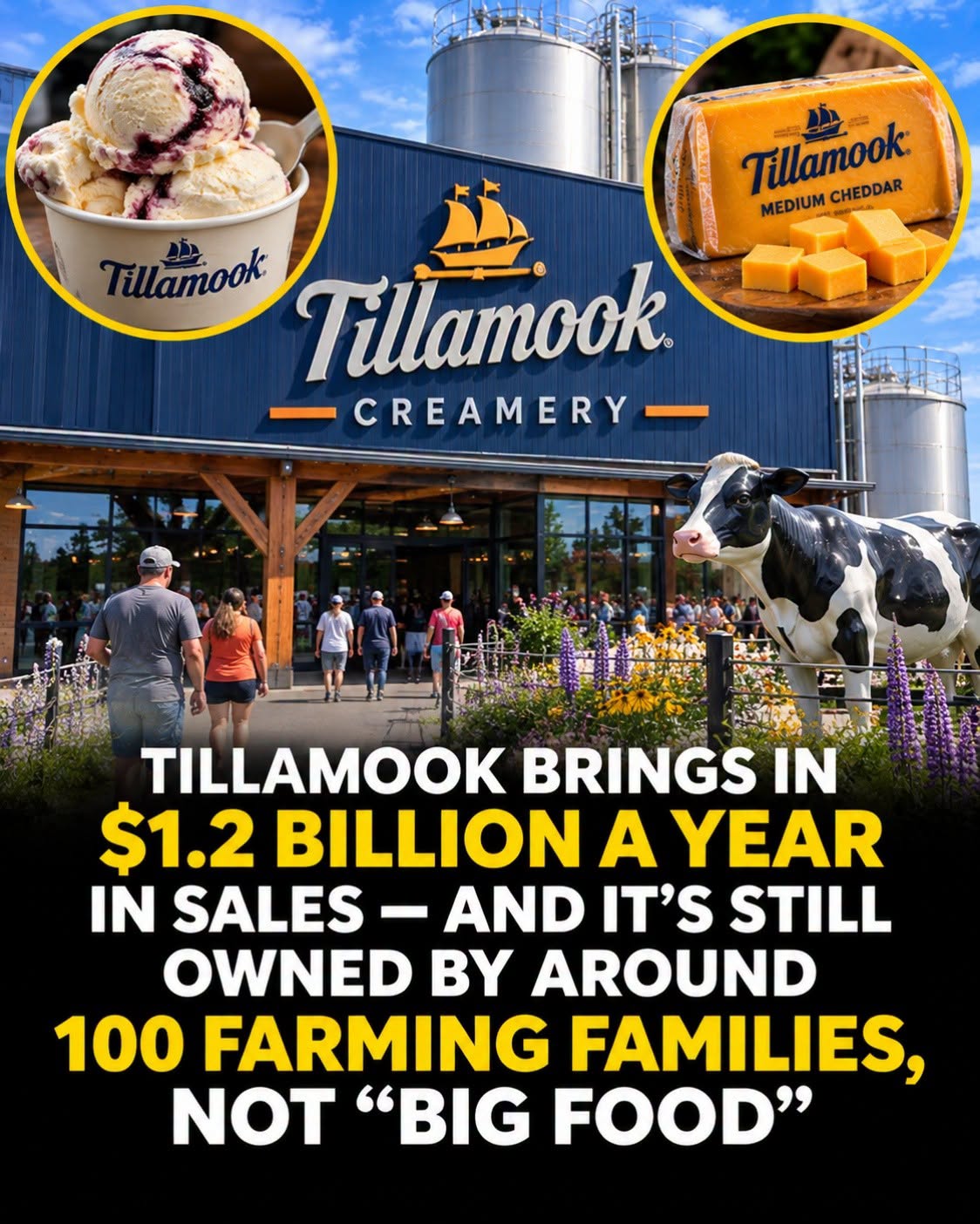
Tillamook’s story began long before it became a familiar name in American supermarkets. In 1909, ten cheese factories in Tillamook County, Oregon, joined forces to form a cooperative association. Their goal was simple. They wanted to produce more consistent cheese and work together to improve how they marketed and sold their products.
The arrangement made sense for farmers who faced transportation challenges. Before modern refrigeration became widely available, moving fresh dairy products over long distances was difficult. Cheese offered a more practical option because it could handle shipping delays better than products such as butter.
The cooperative gradually expanded its reach. By 1915, membership had grown to 25 factories, and the association had taken greater control of buying and selling. It also began advertising nationally in 1918, showing that its ambitions extended beyond Oregon early on.
Ice cream joined the product lineup in the 1940s. Over time, the company introduced sour cream, yogurt, butter, and other dairy products. What began as a way for local cheese producers to work together eventually developed into a much larger food business.
The Company Has About 60 Farmer-Owners Today
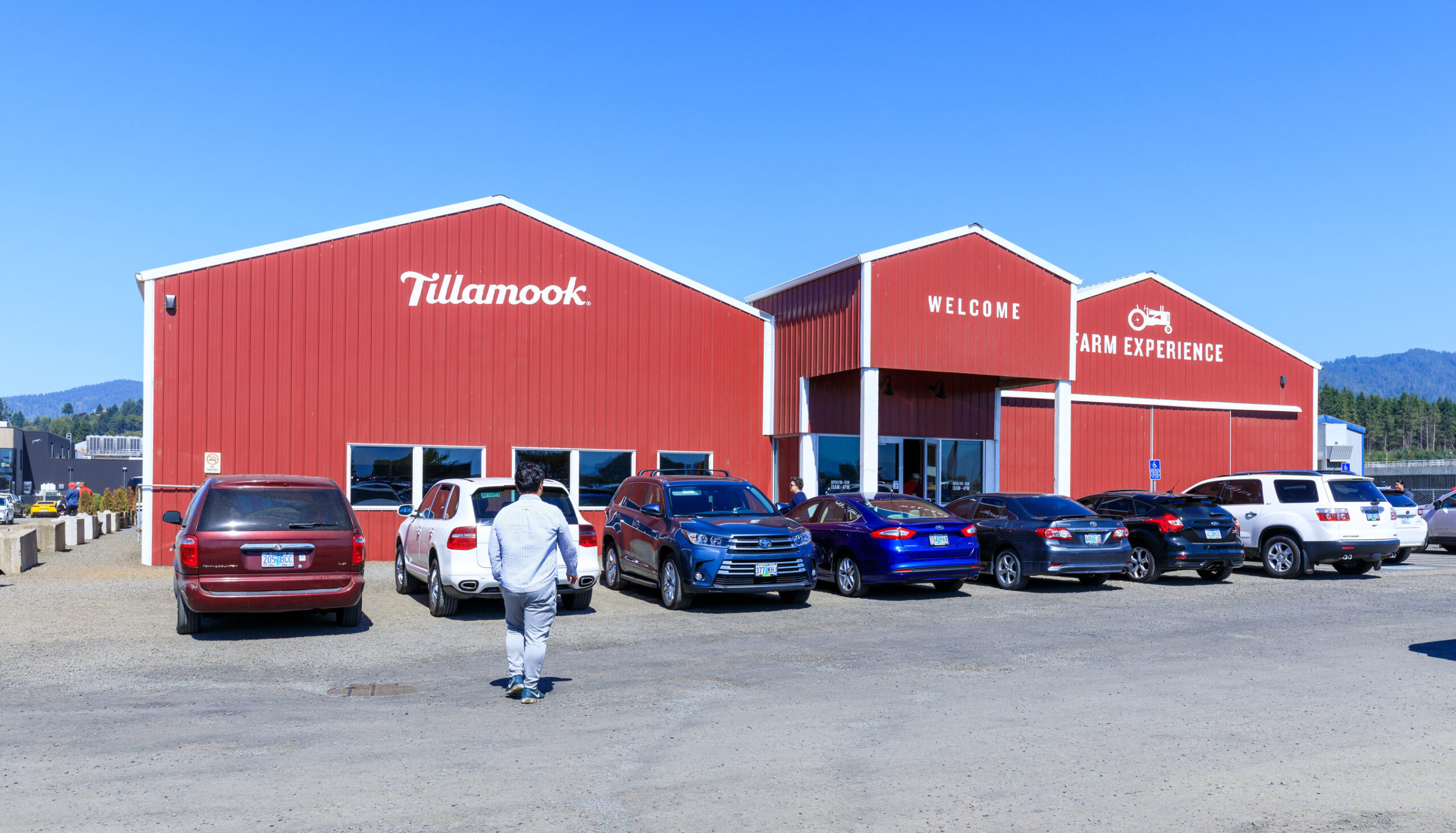
One of the most interesting parts of Tillamook’s business model is its ownership structure. Unlike many major food brands, the cooperative is not owned by a publicly traded parent company. Its ownership remains with dairy farmers.
Recent reporting from Capital Press and The Oregonian puts the number of farmer-owners at approximately 60. That corrects claims that nearly 100 families currently own the business.
The cooperative also gives its members a role in company governance. A company explanation published in 2020 described how farmer-owners elect farmers to serve on a 12-member board. The arrangement gives members a voice in important decisions, while professional executives handle the daily operations.
This does not mean every farmer runs the business or makes individual decisions about supermarket products. Instead, farmers retain ownership and participate in the cooperative’s governance.
It is also worth remembering that ownership and milk supply are two different things. Not all the milk used in Tillamook products comes from member farms. The company also works with outside suppliers to meet its production needs.
Tillamook’s Sales Have Reached New Heights
The company’s growth is impressive, even as it keeps sales and business value clearly separate.
Capital Press reported in September 2024 that Tillamook had surpassed $1.2 billion in annual sales. More recently, Dairy Foods estimated its 2025 sales at approximately $1.38 billion in its August 2026 industry ranking.
That $1.38 billion figure is an estimate, not a publicly disclosed audited financial statement. Tillamook is privately held, so it does not publish the same level of financial information as a publicly traded company.
Still, its growth offers a useful example of how a cooperative can compete in a crowded food market.
The company first concentrated on building its presence in the western United States. After strengthening its position there, leadership pursued a broader national expansion strategy around 2018. That meant investing in branding, distribution, product development, and the people needed to support a much larger operation.
According to company-reported data, one in four American households purchased Tillamook products in 2024. That figure comes from Circana household-panel data and covers the brand’s products. It does not mean every household bought both its cheese and ice cream.
Ice Cream Helped Put the Brand on the Map
Cheese may be central to Tillamook’s history, but ice cream has become an important part of its modern business.
According to Dairy Foods’ January 2026 report, Tillamook generated approximately $434 million in tracked ice cream sales. The brand ranked fifth in the category, with dollar sales growing by 9% over the reported period.
The company has also invested in manufacturing outside Oregon. In June 2025, it opened an ice cream plant in Decatur, Illinois. The facility is expected to produce 15.5 million gallons annually at full capacity and opened with 50 jobs.
The move brings production closer to customers in the eastern United States. It also shows how the cooperative has expanded its manufacturing operations without giving up farmer ownership.
For a company that started with ten cheese factories in one Oregon county, that is a considerable change.
Its Farmer-Owned Image Has Faced Some Questions
Tillamook’s ownership structure is central to its identity, but its sourcing practices have drawn criticism.
A consumer lawsuit filed in Oregon in 2019 challenged the company’s marketing and representations about its milk supply. The plaintiffs argued that the brand’s family-farm imagery could give shoppers an inaccurate impression of where its milk comes from and how it is produced.
The case has moved through several stages. In April 2025, the Oregon Supreme Court allowed important legal claims to proceed. An appeals court revived potential class claims in April 2026.
These developments do not establish that Tillamook deceived customers. The underlying allegations remain disputed, and the legal process should not be confused with a final finding against the company.
Tillamook has rejected the allegations. It has also acknowledged that not all its milk and products originate in Tillamook County.
This distinction matters because a farmer-owned business can still source products from outside suppliers. Ownership does not automatically mean every ingredient comes from a member’s farm.
Can a Cooperative Compete With Major Food Companies?
Tillamook’s growth challenges the idea that a business must sell to a large corporation to reach a national audience. Its experience shows how shared ownership, professional management, product expansion, and careful investment can work together.
The cooperative has expanded its manufacturing footprint, entered more retail markets and built a recognizable dairy brand. At the same time, its farmer-owners have retained control of the business.
That does not mean the model has no challenges. Farm consolidation, rising operating costs, supply-chain questions, and legal disputes remain part of its story. The cooperative also has to balance payments to farmers with the money needed to grow the business.
Still, Tillamook offers a different picture of what business growth can look like. Its success is not simply about selling more cheese or ice cream. It is about building a large company while maintaining a connection to the farmers who own it.
For shoppers standing in the dairy aisle, that is an interesting story behind a familiar package.