The turkey is carved, the gravy boat is making its second lap, and then a parent asks the question. Within seconds, the whole table is suddenly very interested in the cranberry sauce.
Psychologists quoted by Parade say there are 7 topics parents should keep off the holiday table with adult children: politics, romantic relationships, future grandchildren, physical appearance, careers and money, parenting choices, and past conflicts. Dr. Stefanie Mazer of Palm Beach, Fla., and Dr. Jenny Yip explain why each one tends to sour a meal, and what to say instead.
Why Touchy Topics Surface Over Dinner
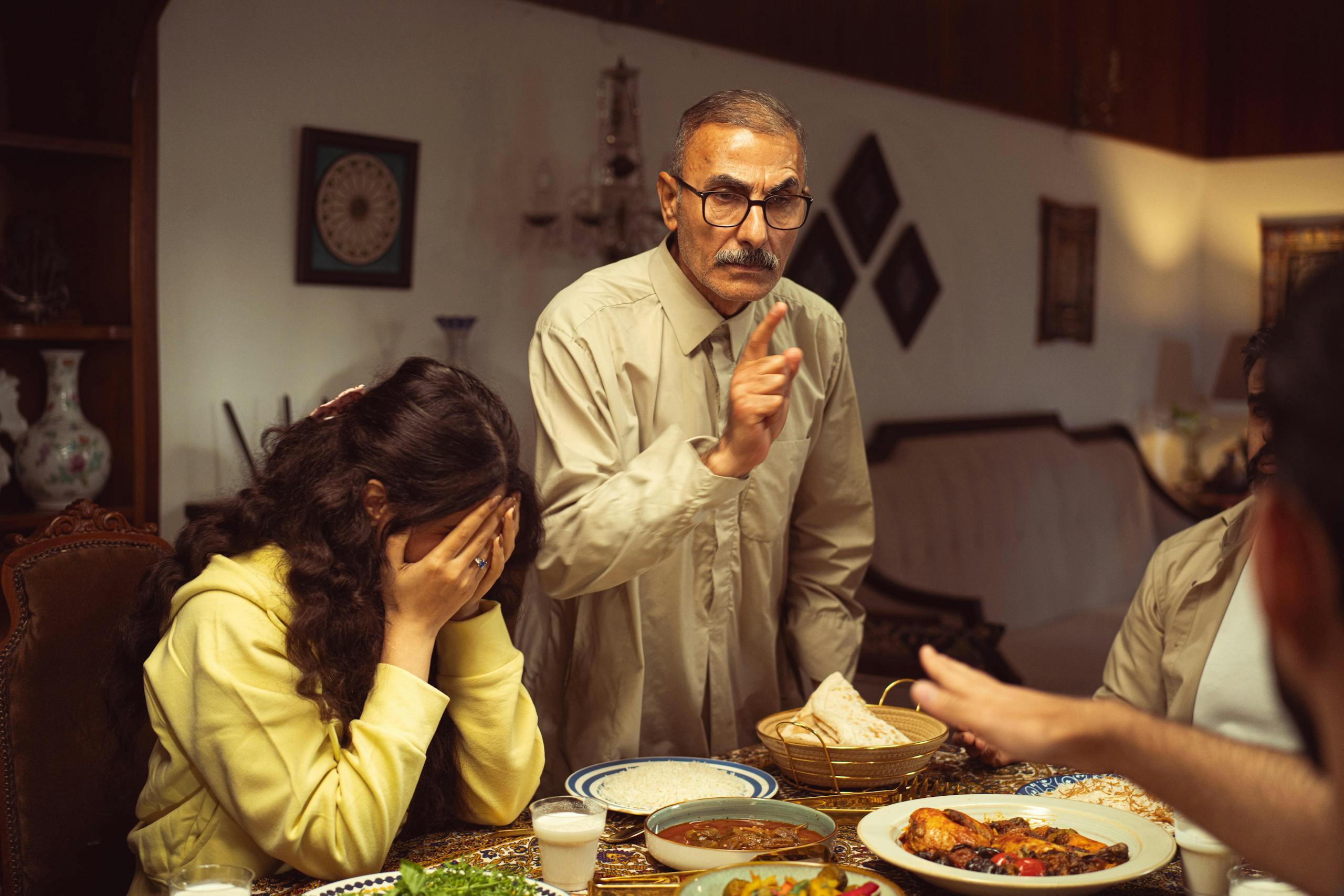
In the Parade piece shared on AOL, Dr. Mazer says certain conversations come up more during the holidays simply “because people spend more time together and have space to talk,” and family traditions and memories spark topics that stay buried the rest of the year. A long Thanksgiving dinner, with hours between the first appetizer and the last slice of pie, gives those topics plenty of room.
That is part of why the meal has its own quirks, and the odd American traditions that confuse the rest of the world include the very idea of a day built around one long, crowded family dinner.
1 and 2: Politics and Romantic Relationships
Politics leads the list. Dr. Yip, a board-certified clinical psychologist, says it “brings up a lot of controversy, especially” when relatives hold different opinions, and the holidays are not the time for bickering. Dr. Mazer adds that political debates “tend to send everyone right back into childhood roles,” and that “these conversations rarely change anyone’s mind, and they almost always raise tension.”
Romantic relationships come next. Whether a grown child is happily single or just out of a long relationship, Dr. Yip says questions about relationship status “can be sensitive.” Dr. Mazer says pressing for details can come across as “pressure or judgment,” even when the parent is simply curious. Small, low-stakes questions about a favorite dish or a recent trip tend to do more for cultivating positive relationships across generations than any probing about who is dating whom, and they keep the conversation moving as easily as the bread basket.
3 and 4: Future Grandchildren and Appearance
Number 3 is the grandchild question. “Asking about marriage, babies or ‘what’s taking so long’ can open wounds” parents may not know exist, Dr. Mazer says, adding that “pressure only distances people.” The Parade piece suggests letting adult children lead that conversation at their own pace. Plenty of the things boomer parents say that adult children quietly dread fall into exactly this category.
Number 4 is physical appearance. Dr. Mazer says even casual remarks, like telling someone they “look tired,” land harder than parents realize and “can make a holiday table feel more like an evaluation.” Her alternative is to compliment “effort or energy instead of appearance” and to focus on how glad the parent is to see their child. Second helpings and dessert choices belong in the same no-comment zone. The pieces of advice worth taking from boomers, and the ones worth forgetting, make a similar point about when a remark helps and when it stings.
5 and 6: Careers, Money and Parenting Choices
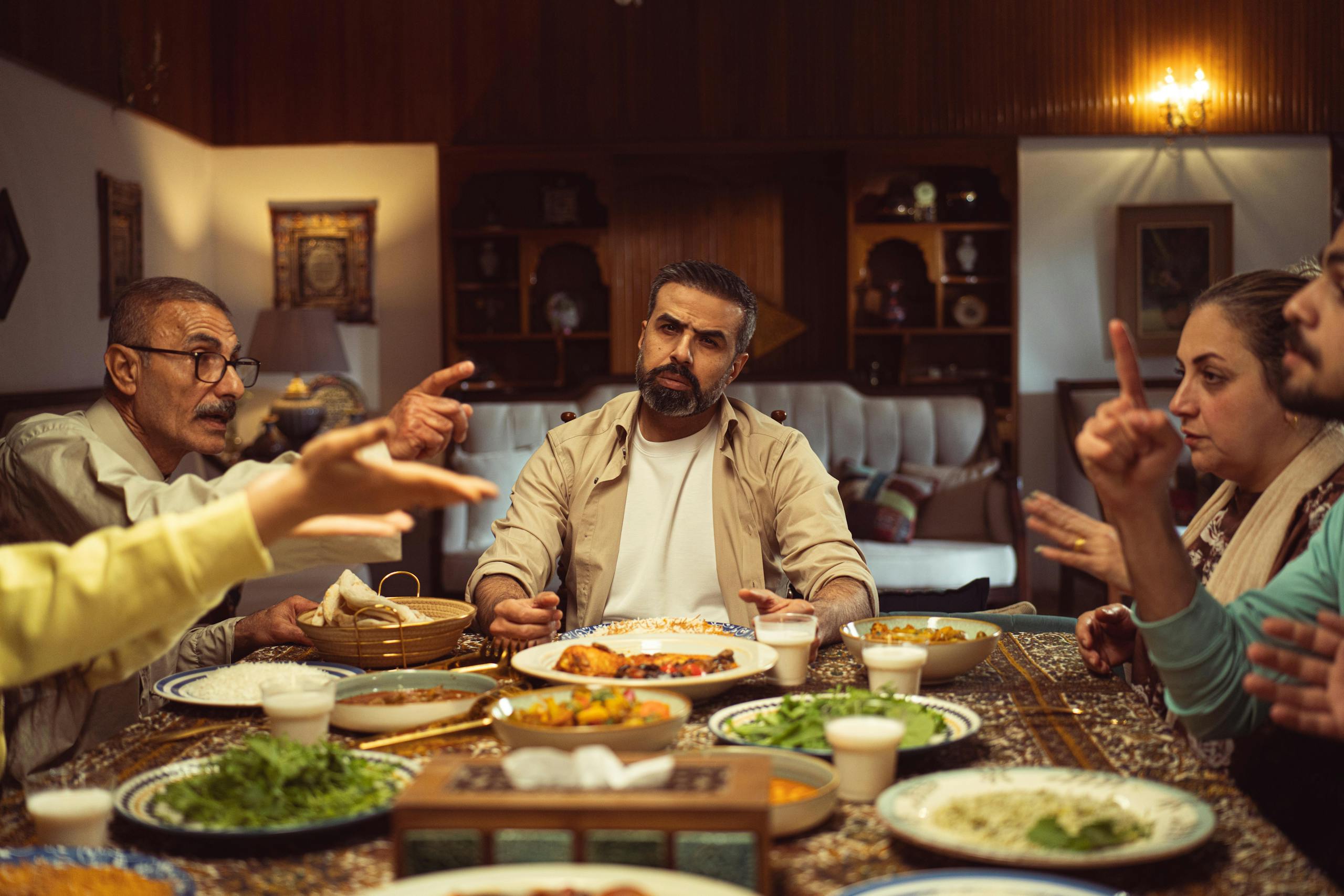
Number 5 is careers and money. “Bringing up promotions, salary, timelines or comparing” a child to someone else’s kid “often sparks feelings of inadequacy,” Dr. Mazer says. “Aim for curiosity, not scorekeeping.” Her suggested opener is a simple question about how work has been feeling lately, which invites conversation “without turning it into a performance review.” The things adult children wish their parents understood about money show why salary talk over pie rarely goes well.
Number 6 is parenting choices. Dr. Yip says unsolicited advice about the grandkids’ behavior, school, activities or discipline “quickly become[s] judgment-laden,” especially for parents already carrying what she calls “the invisible load.” By the same logic, what the grandchildren eat at the kids’ table, and whether they finish it, is the parents’ call. A grandparent who wants to help can offer to bring a side dish or wash up instead.
7: Past Conflicts
The final topic is old family history. Dr. Yip recommends pressing pause on difficult discussions during the gathering. “If there’s unresolved tension, this isn’t the moment to ‘hash things out,'” she says, adding that alcohol, nostalgia and holiday stress together make for “emotional landmines.”
Family therapists quoted by AARP make a related point for parents: keep an open mind and get to know grown children as the adults they are now, rather than as the kids they once were. AARP’s example is a son who may no longer eat the peanut-butter-and-jelly sandwiches he loved growing up. The same article says what adult children most want from parents is approval, and that even well-meant advice can sound like criticism.
What to Do When a Topic Slips Out Anyway
The psychologists also offer a few exits for adult children when a touchy subject comes up between courses. Dr. Mazer suggests politely naming the topics they would rather skip, keeping answers short with a little humor, and stepping away for a few minutes, maybe to refill the water pitcher or check the rolls. Dr. Yip suggests vague answers and offering to revisit the conversation after the holidays.
Good table manners have always included steering talk away from what upsets other guests, and these 7 topics are a modern update of that rule. With Thanksgiving on Nov. 26 and the December holidays close behind, the safest conversation pieces may be the oldest ones: the stuffing recipe, who made the pie, and which family dish nobody would ever dare take off the menu.
This article was produced with AI assistance and edited for accuracy against the sources linked above.