A routine departure at North Perry Airport in Pembroke Pines turned into a sudden aviation emergency when a Robinson R44 helicopter lost stability shortly after takeoff and crashed onto airport grounds. The incident resulted in four hospitalizations and prompted an immediate investigation by federal aviation authorities.
Such incidents rarely occur in isolation. They reveal the delicate threshold between controlled flight and sudden instability, particularly during the initial seconds after liftoff. Aviation safety analyses consistently identify this phase as carrying the highest operational risk, even when surface conditions appear normal.
Authorities confirmed that all four occupants, including the pilot and passengers, survived the impact and were transported in stable condition to Memorial Regional Hospital. As investigators reconstruct the sequence of events, the focus shifts from the occurrence itself to the underlying causes of the rapid loss of control during a routine departure.
The Split Second Between Lift and Loss
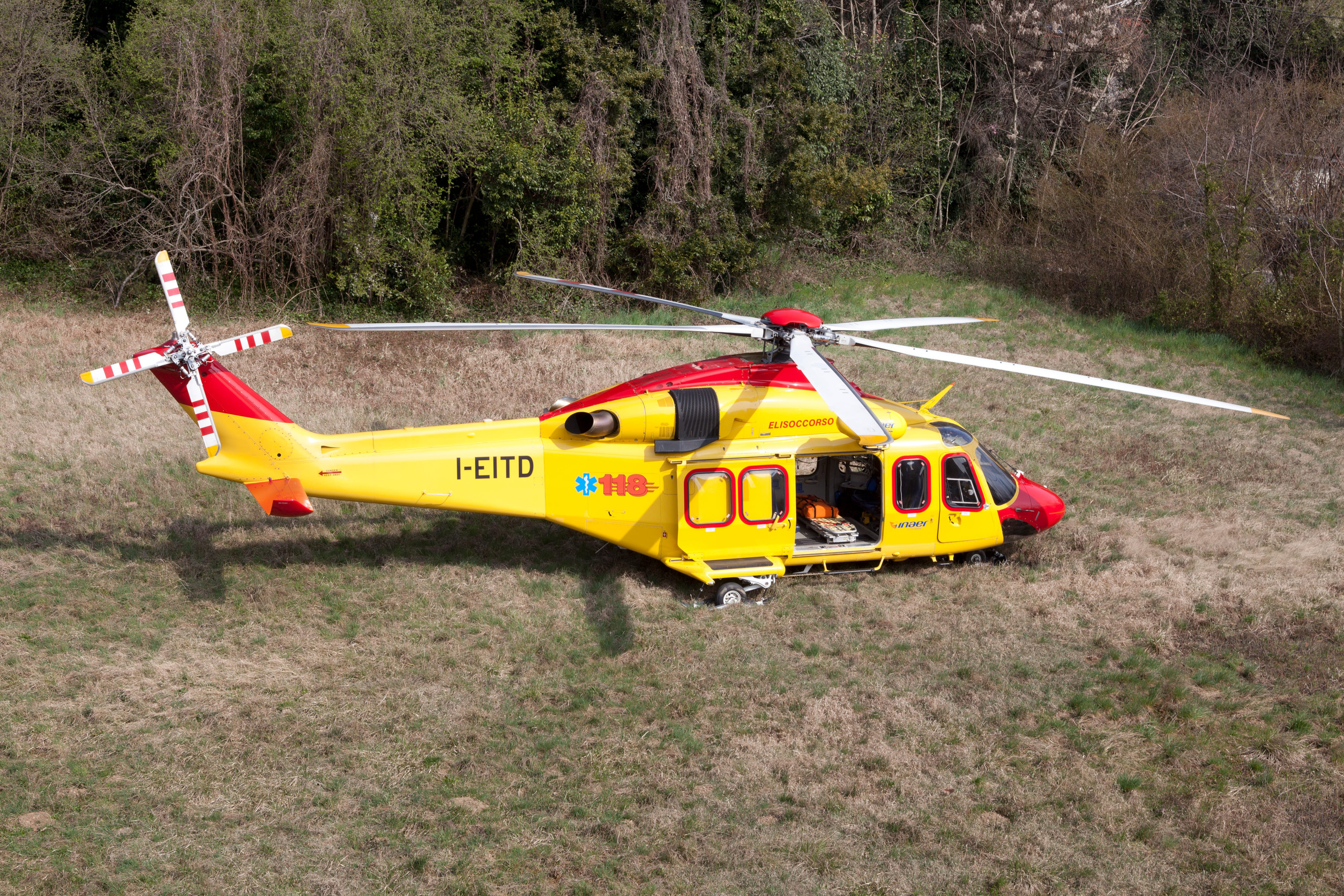
The helicopter reportedly rose only 20 to 30 feet before it rolled and struck a parked aircraft on the ramp. That narrow altitude window defines one of the most sensitive phases in rotary-wing aviation. At this height, pilots operate with minimal recovery margin and rely on precise coordination of controls.
The aircraft involved, a Robinson R44, is widely used in training and private aviation. It demands strict balance control during hover and transition into forward flight. Even a small disruption in torque or lift distribution can quickly escalate when altitude is insufficient to correct it.
Witness accounts indicate a sudden and unexpected tilt immediately after takeoff. This observation is consistent with established low-altitude failure patterns, where instability develops more rapidly than human reaction time can compensate.
North Perry Airport and the Pressure of Constant Flight Activity
The setting adds important context to the incident. North Perry Airport operates as one of the busiest general aviation training hubs in South Florida. The airport handles continuous takeoffs, landings, and circuit training flights throughout the day.
High traffic density increases operational complexity. Multiple aircraft types share the same airspace, often with staggered departures occurring within minutes of each other. Helicopters and fixed-wing aircraft operate in close coordination, especially during training cycles.
While this environment enhances pilot proficiency, it also concentrates risk into brief intervals. Aviation safety research consistently demonstrates that airports with intensive training activity have increased exposure to low-altitude incidents due to repetitive takeoff and landing cycles.
Witness Perspective and the Human Perception of Rapid Failure
An eyewitness reported that the helicopter lifted briefly before tipping sharply and rolling over. The rapid progression of the event was particularly notable. The aircraft initially appeared stable, then shifted abruptly without warning.
Human perception frequently struggles to track rapid aerodynamic failures. In aviation incidents that unfold within seconds, observers typically recall only partial sequences. Nevertheless, these observations play a crucial role in the initial stages of incident reconstruction.
Investigators use such accounts to establish timing windows rather than exact causes. When combined with radar data, maintenance logs, and pilot reports, these narratives help form a structured timeline of the crash sequence.
The Robinson R44 and Its Operational Demands
The Robinson R44 remains one of the most widely used light helicopters in the world. Its popularity stems from cost-effectiveness, suitability for training, and a relatively simple mechanical design. However, its responsiveness also requires disciplined control input, particularly during takeoff.
At low altitude, the R44 operates within a narrow performance envelope. Any imbalance in rotor torque, wind variation, or control input timing can lead to rapid instability. This is why training protocols emphasize gradual power application and stabilized hover before forward movement.
Aviation analysts will examine whether the aircraft’s weight distribution, mechanical condition, or rotor response contributed to the rollover. Even small deviations from expected performance can become critical during the early climb.
Ground Collision and the Ripple Effect of a Single Event
After losing stability, the helicopter reportedly struck a parked aircraft. This secondary impact introduces a broader safety discussion about ramp design and aircraft spacing. In tightly organized airports, parked aircraft often sit close to active movement zones.
The collision did not result in additional injuries, but it highlights a known risk in aviation operations. One uncontrolled movement can quickly extend damage beyond the initial aircraft. This is especially relevant in training airports where traffic turnover is high.
Safety experts often describe this as a ripple effect scenario. A single loss-of-control event can escalate into a multi-asset incident within seconds, increasing both operational disruption and investigative complexity.
Emergency Response and Medical Stabilization Outcomes
Emergency teams from Pembroke Pines Fire Rescue responded immediately after the crash alert. They found the aircraft damaged but confirmed that all occupants had already exited the helicopter. That detail significantly influenced survival outcomes.
Rapid response plays a decisive role in aviation incidents. Fire suppression, medical stabilization, and hazard containment reduce secondary risks such as fire or fuel ignition. In this case, coordinated action helped ensure that injuries remained non-life-threatening.
All four individuals were transported to the hospital in stable condition. While the physical impact was severe, the absence of fatalities underscores the importance of emergency preparedness at high-traffic aviation facilities.
FAA Investigation and the Search for a Root Cause
The Federal Aviation Administration has launched a full investigation into the crash. Investigators will focus on mechanical performance, pilot input, environmental conditions, and airport activity at the time of departure.
Data recovery will include aircraft maintenance records, pilot certification history, and any available communication logs. These elements help reconstruct the operational environment leading up to the loss of control.
Aviation investigations often take weeks or months because they require correlating physical wreckage with procedural documentation. The goal is not only to identify what failed but also to understand why recovery was not possible within the available time frame.
Operational Context and Commercial Aviation Links
Early reports indicate that the pilot involved is associated with Sky Helicopter Tours. This connection situates the incident within a commercial operating context, where aircraft are often used for training, tours, and scheduled flights.
Commercial helicopter operations at training airports introduce additional coordination requirements. Aircraft frequently transition between instructional flights and operational missions within the same airspace. This overlap increases the importance of strict procedural adherence.
At this stage, authorities have not assigned responsibility or determined any regulatory breach. Investigators will evaluate whether operational procedures are aligned with FAA safety standards.
Patterns, Proximity, and Emerging Safety Questions
This incident follows another aircraft-related crash reported near the same airport earlier in the year. While unrelated in cause, repeated events in close proximity often prompt broader safety reviews.
Aviation regulators typically examine traffic flow, airspace saturation, and training density when patterns emerge. Even when incidents differ, clustering can highlight structural pressures within an operational environment.
Such patterns do not imply systemic failure on their own. However, they do encourage closer analysis of procedural consistency and airspace management efficiency.
Low-Altitude Flight: Where Risk Concentrates Without Warning
Aviation safety studies consistently identify takeoff and landing as the highest-risk phases of flight. At low altitude, reaction time collapses into seconds. Pilots must manage lift, torque, directional stability, and environmental variables simultaneously.
In helicopters, this complexity intensifies due to vertical lift dynamics. Unlike fixed-wing aircraft, helicopters rely on continuous rotor balance. Any disruption affects both lift and directional control simultaneously.
This is why even brief instability can escalate into full rollover conditions. The margin for correction is minimal, and recovery often depends on altitude, which may not be available.
Final Reflection on a Brief but High-Impact Sequence
The crash at North Perry Airport demonstrates how rapidly controlled flight can transition into emergency conditions within seconds of takeoff. Four individuals survived an event that unfolded faster than typical human perception can fully register, yet the underlying causes remain under investigation.
As the FAA continues its analysis, the broader questions remain rooted in operational design, aircraft behavior, and the inherent risks of low-altitude aviation. Each factor alone may seem manageable, yet together they define a narrow corridor where precision determines outcome.
What stands out most is not only the severity of the incident but the speed at which it developed and was resolved into an emergency response. In aviation, those seconds often carry the weight of entire safety systems, and they continue to shape how future operations will be understood and refined.
When an aircraft ascends only a few dozen feet before a sudden loss of control, the central question becomes not only what failed in flight, but also how multiple latent variables converged in the final seconds before control was lost.