A Skyline of Prosperity Rising Above an Unseen Ground Reality
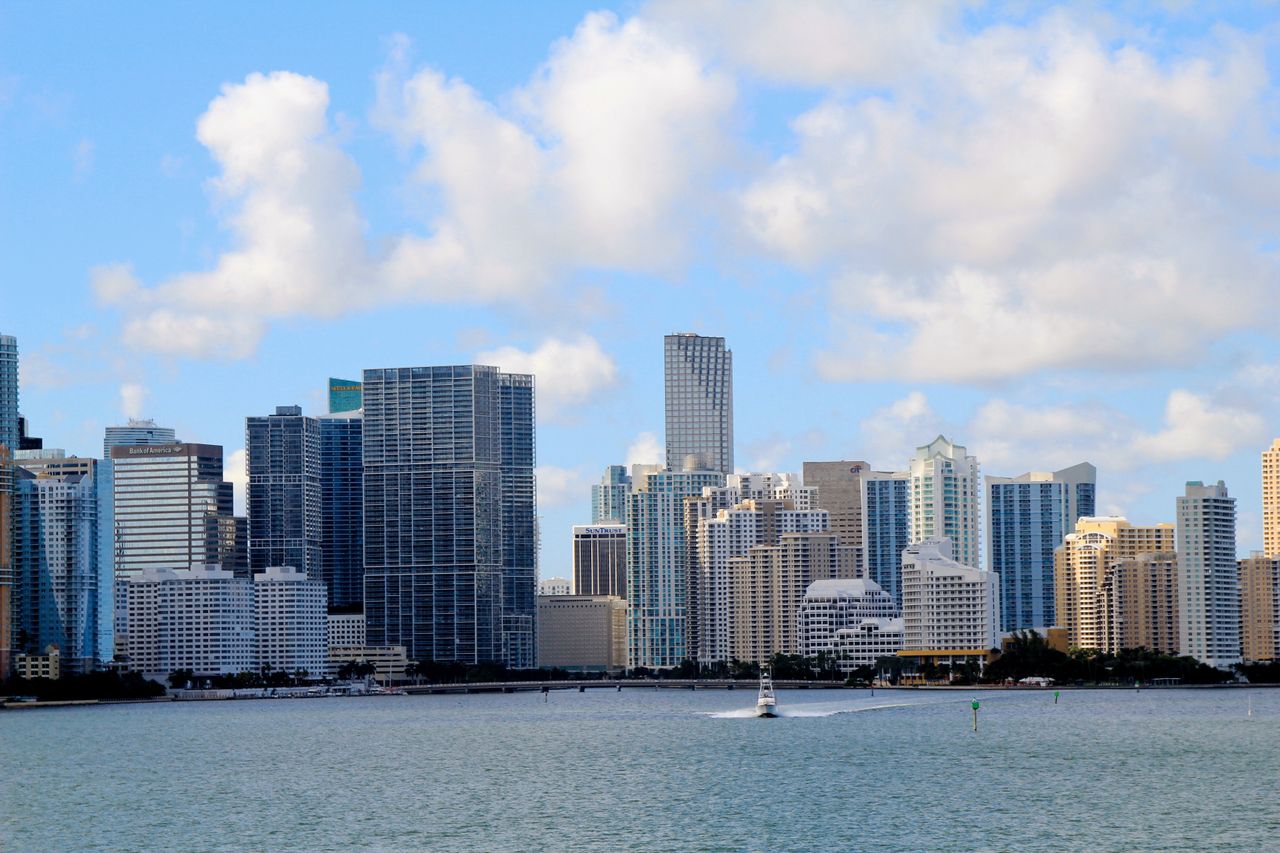
Florida builds luxury towers while vehicle homelessness expands across Miami, Orlando, Tampa, Fort Lauderdale, and West Palm Beach, exposing one of the most striking contradictions in modern American housing.
Glass high-rises continue to reshape coastal skylines, signaling economic growth, global investment, and urban expansion. Yet beneath these developments, thousands of residents now sleep in cars, RVs, and temporary tents scattered across parking lots and roadside corridors.
We observe a housing landscape where prosperity and precarity coexist within the same city blocks. New residential towers target high-income tenants and international buyers, while long-term residents struggle to secure even modest rental units. The result is a physical and social divide that is increasingly visible in everyday urban life.
The significance of Florida, where luxury towers are built while vehicle homelessness expands, lies not only in the numbers but in the structure. It reflects how housing supply, labor markets, and investment flows have shifted away from local affordability. This divergence now defines how entire communities experience growth, stability, and displacement.
The Invisible Workforce That Keeps Cities Running Without a Home to Return To
Florida builds luxury towers while vehicle homelessness expands in part because of a growing disconnect between employment and housing access. Many individuals experiencing housing insecurity remain employed in essential sectors such as hospitality, retail, healthcare support, and logistics. These workers maintain daily operations in tourism-driven cities yet cannot afford to live near their workplaces.
We see this disconnect most clearly in metropolitan service economies. Hotel staff, restaurant workers, delivery drivers, and caregiving personnel often face rental prices that exceed realistic wage thresholds. Even full-time employment no longer guarantees proximity to stable housing, forcing long commutes or reliance on vehicles for temporary shelter.
Historical housing models assumed that economic participation would naturally support residential stability. That assumption no longer holds in many Florida cities. As wages stagnate relative to housing costs, employment has become detached from affordability, creating what many analysts now describe as an “invisible workforce housing gap.”
The Financialization of Housing and the Shift From Shelter to Asset
Florida builds luxury towers while vehicle homelessness expands because housing increasingly functions as a financial instrument rather than a public necessity. Institutional investors, real estate trusts, and global capital flows now play a major role in shaping urban development patterns. This has shifted construction priorities toward high-yield luxury units rather than long-term affordable housing.
We observe that luxury developments dominate new pipelines in Miami and other coastal cities because they offer predictable returns and attract international demand. At the same time, affordable housing projects depend on subsidies, regulatory approvals, and complex financing structures, all of which slow development. This imbalance reduces the overall supply of lower-cost housing options.
Over the past decade, rental markets have shifted significantly. Lower-cost units have become less available, while high-rent apartments have expanded rapidly. This transformation reflects a broader trend where housing is treated as an appreciating asset, often detached from the income realities of local residents.
A Regional Pattern of Commuter Homelessness Across Florida’s Urban Corridor
Florida builds luxury towers while vehicle homelessness expands not only within individual cities but across a connected regional network. Residents increasingly move between Miami, Fort Lauderdale, West Palm Beach, Orlando, and Tampa in search of employment opportunities and temporary stability. This mobility has created a corridor of commuter homelessness that spans the state’s major economic hubs.
We observe individuals living in vehicles who structure their movement around job availability, seasonal tourism cycles, and enforcement patterns. Parking lots, rest stops, and commercial corridors become temporary living spaces, shifting in response to local regulations and safety conditions. This pattern reflects adaptation to economic fragmentation rather than isolated urban poverty.
The historical context is important. Traditional homelessness models were often localized within single cities. Florida’s current pattern is more fluid, shaped by interconnected labor markets and transportation routes. This regionalization makes the crisis more difficult to measure and address through city-specific policies alone.
Insurance Costs, Climate Pressure, and the Hidden Drivers of Housing Instability
Florida builds luxury towers while vehicle homelessness expands under growing pressure from climate risk and insurance volatility. Rising insurance premiums across the state have significantly increased the cost of property ownership and rental maintenance. These increases are often passed directly to tenants through higher rent structures.
We observe that coastal exposure to hurricanes and flooding intensifies financial risk for property owners and developers. As a result, investment increasingly favors high-income housing that can absorb these costs. Lower-income housing projects face greater financial uncertainty, reducing their attractiveness to developers and lenders.
This dynamic introduces a less visible driver of housing inequality. Climate risk not only affects infrastructure and safety. It also shapes who can afford to remain in high-risk regions, gradually influencing demographic patterns and long-term community stability.
Parking Lots and Public Corridors as an Unplanned Housing Network
Florida builds luxury towers while vehicle homelessness expands alongside the emergence of informal living spaces across commercial infrastructure. Parking lots, retail zones, highway shoulders, and 24-hour business corridors now function as a de facto housing network for thousands of residents. These spaces were never designed for habitation, yet they increasingly serve that role.
We observe that individuals use these areas because they offer lighting, surveillance, restroom access, and relative safety compared to isolated environments. However, they remain unstable and subject to displacement through enforcement or redevelopment. This creates a constant cycle of movement and uncertainty.
From a historical perspective, informal housing networks have emerged in many urban systems during periods of rapid loss of affordability. What distinguishes Florida today is the scale and visibility of this pattern within a high-growth economy. The contradiction between development and displacement is no longer hidden at the margins of the city.
Policy Lag and the Structural Gap Between Market Speed and Regulation
Florida builds luxury towers while vehicle homelessness expands, partly due to a mismatch between housing market speed and policy response. Real estate markets adjust rapidly to investment flows, interest rates, and shifts in demand. Policy frameworks, however, move through multi-year cycles involving legislation, zoning review, and administrative approval.
We observe that affordable housing initiatives often target outdated affordability thresholds by the time they reach implementation. This delay reduces their effectiveness in addressing current market conditions. As housing costs rise faster than policy can adapt, availability gaps continue to widen.
Local governments have introduced workforce housing programs and inclusionary zoning measures. However, these efforts frequently focus on moderate-income brackets, leaving the lowest-income populations without viable options. The structural gap remains persistent because demand evolves faster than regulatory systems can respond.
Social Strain and the Human Cost of Housing Instability
Florida builds luxury towers while vehicle homelessness expands in ways that extend beyond economics into social and psychological impact. Individuals living in unstable conditions face chronic stress, limited access to hygiene, and ongoing exposure to environmental risks. These conditions affect physical health, mental well-being, and long-term stability.
We observe increasing strain on schools and community services. Children experiencing housing instability often face disruptions in attendance, sleep patterns, and nutrition. Seniors living in vehicles face heightened vulnerability to heat, cold, and medical complications without consistent access to care.
Community organizations and nonprofits attempt to fill these gaps. They provide food, hygiene supplies, and temporary assistance, but demand continues to exceed capacity in many regions. This creates a system where support exists but cannot fully address structural shortages.
A Systemic Cycle Reinforcing Growth and Displacement
Florida builds luxury towers while vehicle homelessness expands within a reinforcing system that connects investment, pricing, displacement, and limited policy intervention. Each component strengthens the next, creating a loop that is difficult to break without structural change.
This cycle demonstrates how multiple forces interact rather than operate independently. Housing outcomes emerge from the interaction of capital, regulation, labor markets, and environmental pressures. Each reinforces the conditions that sustain the next phase.
Final Thought: A State Defined by Its Skyline or Its Stability
Florida builds luxury towers while vehicle homelessness expands, raising a fundamental question about urban development itself. Growth continues at a visible and impressive scale, yet stability for many residents continues to erode beneath that surface. The contrast is no longer subtle. It is embedded within daily life across major cities.
The central issue is not whether Florida is growing, but who is able to remain within that growth. When housing becomes increasingly tied to investment performance rather than local need, cities risk separating economic success from social stability. This tension will shape Florida’s future far beyond its skyline.
The question that remains is whether development can continue upward without leaving more people behind.