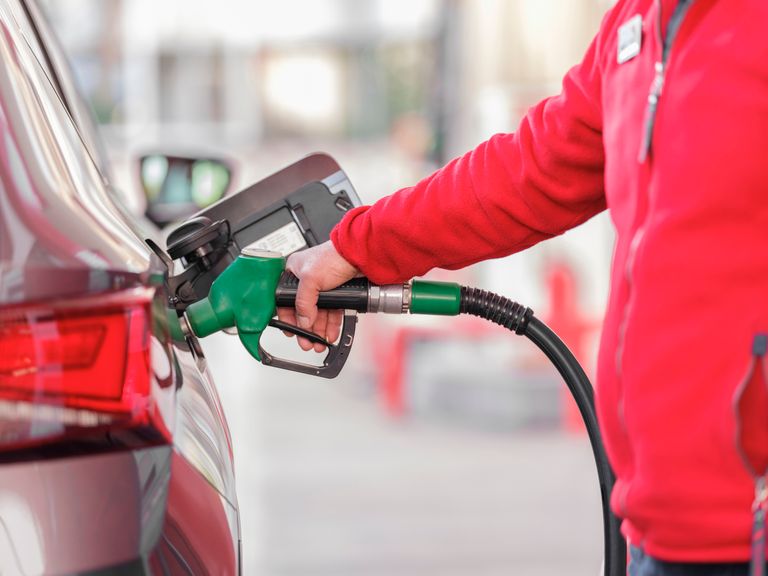
With grocery bills and gas prices squeezing household budgets this holiday season, a postcard promising free gas and grocery cards can look like a small piece of good luck. It shows up with a barcode, a tracking number and a deadline, and all it seems to ask for is a quick phone call.
The Better Business Bureau says those postcards are a scam showing up in mailboxes across the country, and one report to the BBB shows how fast the “free” offer turns costly: a woman agreed to pay a $5 processing fee, then another $46 was taken right away, for a total loss of $51. Here is how the scheme works, what the warning signs look like and where to report a card that lands in the mail.
What the Postcards Promise
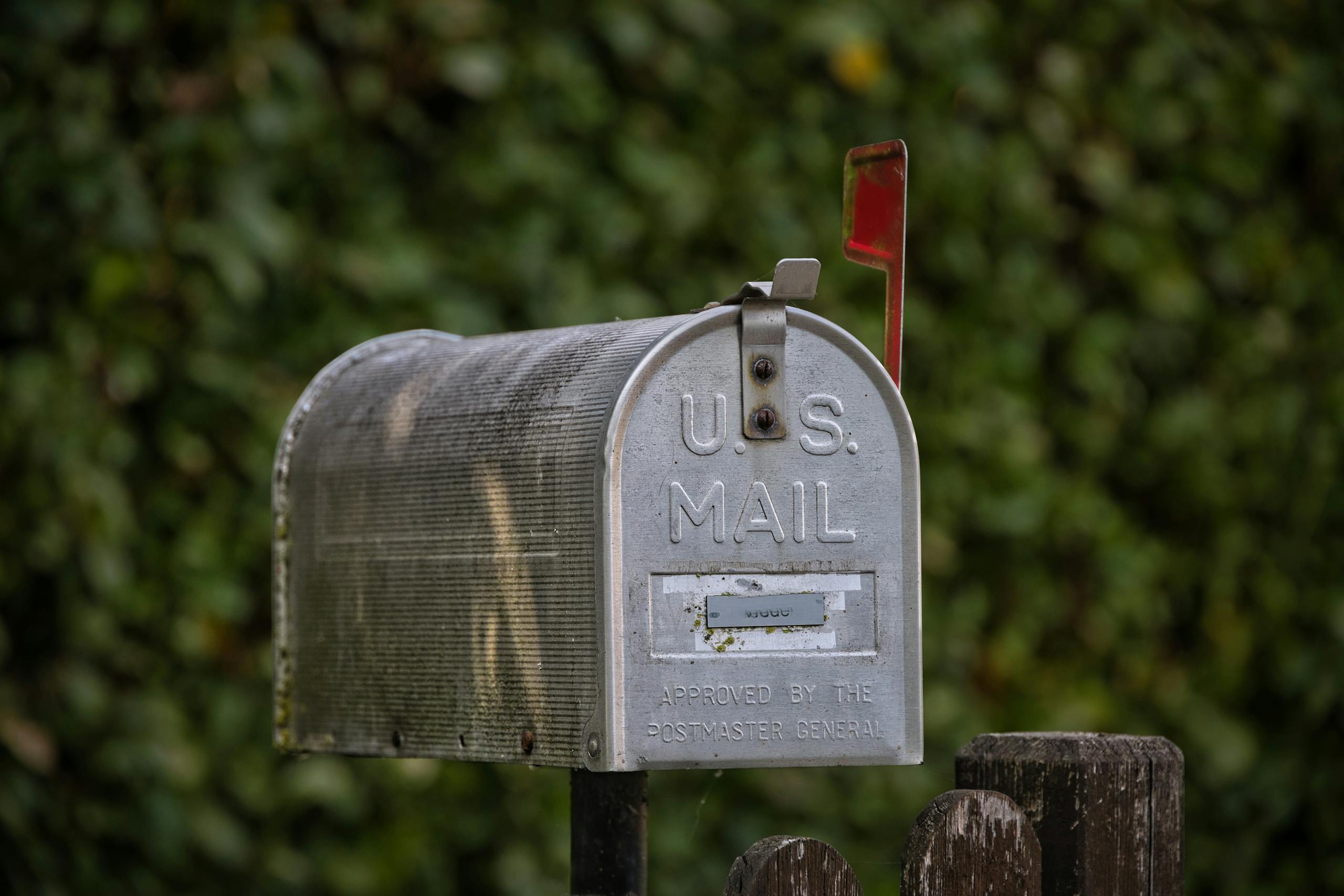
According to a BBB warning reported by WGAL in Lancaster, Pennsylvania, people nationwide are receiving postcards that claim they qualify for free gas and grocery cards. The cards are built to look official, with barcodes, tracking numbers, expiration dates and customer service phone numbers meant to create a sense of credibility. Recipients are told to call a number or visit a website. Postcards are cheap to print and mail in bulk, which makes the home mailbox an easy target. The mailbox also comes with its own rules, as this list of things that are illegal to put in a mailbox explains.
Once on the phone, callers are asked to pay a small fee, such as $5, before the cards or vouchers can be sent. Instead, unauthorized charges show up on their accounts, and the promised cards never arrive. Anyone who keeps a stash of store cards for holiday shopping should also read up on these common gift card mistakes during the holiday season.
One Woman’s $51 Loss
The BBB shared one consumer’s account, written by a relative: “Sister received a postcard from AARP that stated she was eligible for gas & grocery cards. She agreed to the $5 processing fee, then they immediately took another $46. Total dollars lost: $51.”
The mailer may not have come from AARP at all. In a separate consumer alert, West Virginia Attorney General JB McCuskey said residents there reported postcards from “AAPP,” not AARP, claiming gas and grocery vouchers were being held in their name. The West Virginia alert describes the same pattern: a $5 processing fee, another $46 charge and $51 lost in total. AARP keeps its own guide to spotting impostors on its scams and fraud page.
“With the cost of groceries and gasoline going up, more families are looking for ways to make a dollar stretch—especially those on a fixed income. Scammers know this and are taking advantage of people who need a little financial relief,” McCuskey said. That pressure on the grocery budget is real, and plenty of households are already hunting for honest ways to cut costs, like these tips for saving money on gas, these ways to save money fast and these clever frugal living tips.
The Warning Signs
The BBB’s main rule is simple: a legitimate contest or giveaway does not ask the winner to pay for something labeled as free. Any fee, whether it is called processing, shipping or handling, is the first red flag. Grocery store loyalty programs and fuel rewards, by contrast, are signed up for at the store or through its own app, not activated by calling a number on a surprise postcard.
The second sign is pressure. The postcards lean on phrases such as “final notice” and “expiring soon” to push people into calling before they stop to think. Official-looking details are the third. A barcode, a tracking number or a printed expiration date costs a scammer almost nothing and proves nothing about who sent the card. A fourth sign is a sender name that looks almost, but not quite, like a well-known organization, as with the “AAPP” cards in West Virginia.
What to Do With the Postcard
The safest move is to toss it without calling the number or visiting the website. Anyone unsure whether an offer is real can contact the organization it claims to come from using a phone number from that group’s own website or an old statement, never the number printed on the postcard. Payment card or bank details should never be given to an unexpected caller or a number from an unsolicited mailer.
Anyone who already paid should call the bank or card company right away to dispute the charges and ask about a new card number, then keep an eye on statements for further unauthorized charges. The BBB’s warning notes that unauthorized charges often follow the first small payment, and in the $51 case the extra $46 was taken immediately.
Where to Report It
Reports help others avoid the same trap. Scam postcards and losses can be logged with the BBB Scam Tracker, which publishes reports so other consumers can spot patterns. The Federal Trade Commission takes fraud reports at ReportFraud.ftc.gov, and because these schemes arrive by mail, the U.S. Postal Inspection Service also investigates mail fraud. Residents of West Virginia can call the attorney general’s Consumer Protection Hotline at 1-800-368-8808.
The site has also rounded up the BBB’s 12 holiday scams, from fake shipping notices to drained gift cards. The short version for this one: real gas and grocery savings come from stores, loyalty programs and manufacturers, and none of them charge a fee to hand out a free card.
This article was produced with AI assistance and edited for accuracy against the sources linked above.