The holiday rush brings gift cards for favorite restaurants, boxes of cookies and cheese shipped across the country and a steady stream of delivery updates. It also brings scammers who know exactly how distracted shoppers are this time of year.
The Better Business Bureau’s list of 12 holiday scams for 2026 includes fake shipping notices and gift cards drained before they are ever used. The BBB’s advice for both is direct: buy gift cards from behind the counter or the retailer’s own website, and track orders only through the seller’s site or confirmations sent directly by the store.
Drained Gift Cards and Fake Shipping Notices
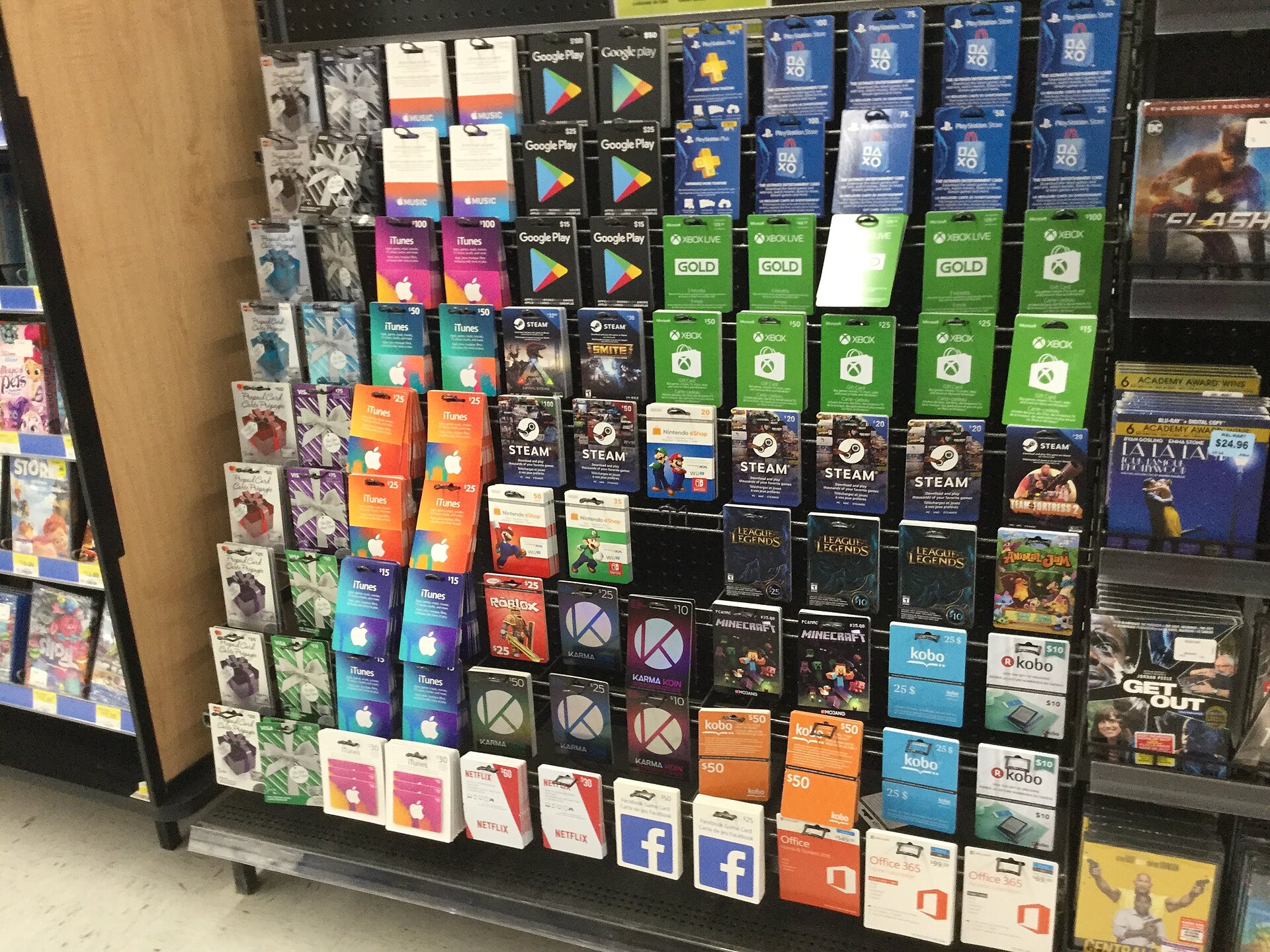
According to the Alabama Political Reporter, which detailed the BBB’s list on Nov. 26, 2026, gift card draining works by stealing card information off the rack so the balance can be emptied after someone buys and loads the card. The BBB says to inspect cards before buying for torn packaging, wrinkles or exposed PINs, and to buy cards from a retailer’s website or from behind the counter.
Restaurant and grocery gift cards are among the most popular holiday presents, which makes this one especially painful. Heather Clary of the BBB’s Greater Kentucky region told WBKO that a drained card means giving a loved one a useless gift on the holiday.
A few habits help at the register. Choose a card from the back of the rack or ask a cashier for one kept behind the counter, check that the PIN strip is still covered, and keep the receipt with the card’s number until the recipient confirms the balance. Paying with a credit card adds another layer, since charges are generally easier to dispute, as this beginner’s guide to how credit cards work explains. Buying a restaurant or grocery chain’s card directly from its own website or app avoids the rack altogether.
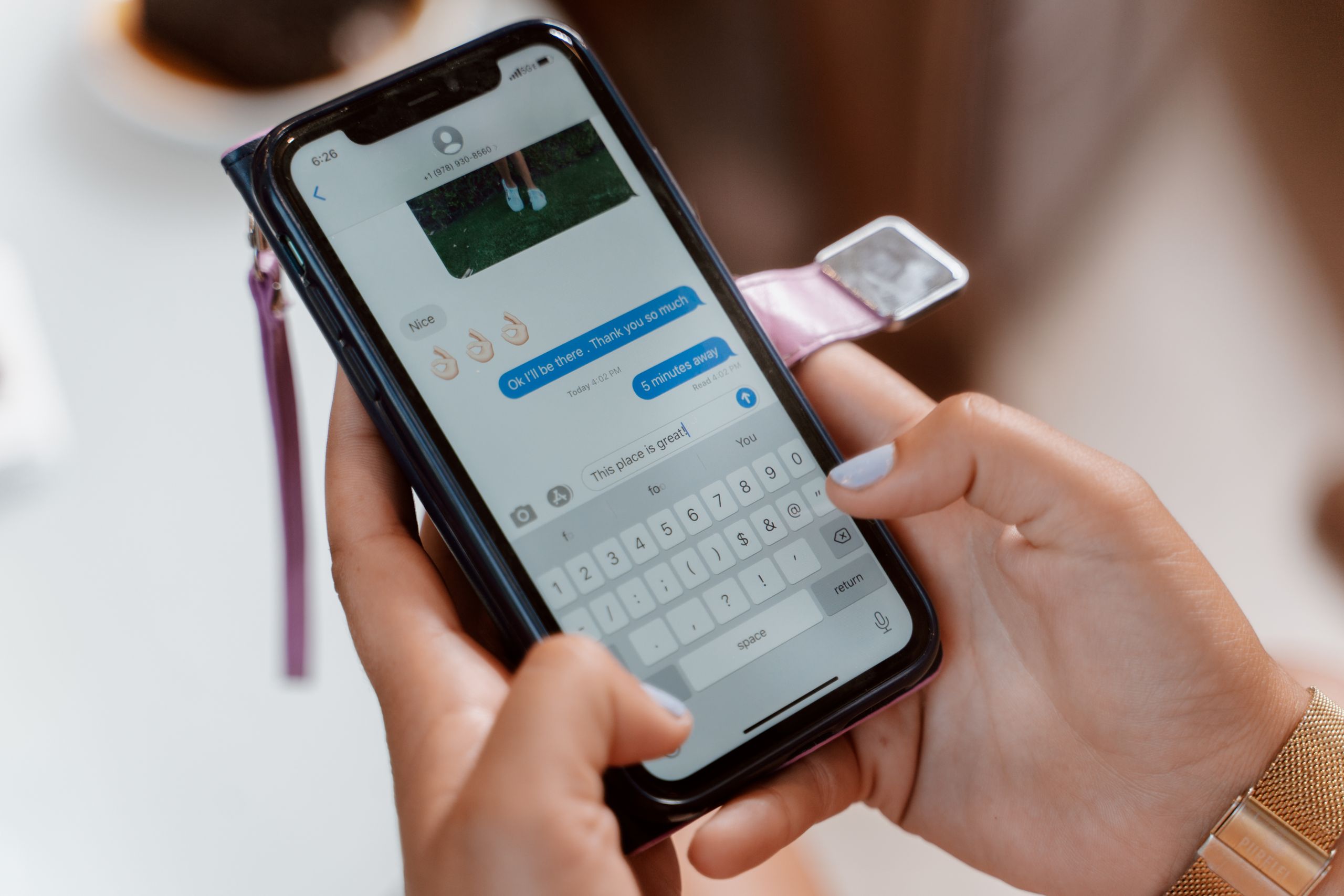
Fake shipping notifications are the second big one. Scammers send texts or emails claiming a package needs a new shipping or redelivery fee. The BBB says never to click unexpected links and to track packages only through the retailer’s website or confirmations sent directly by the store. Clary added that anyone who never signed up for updates from a company should regard a shipping text from it as a likely scam. With food gifts and holiday packages moving through the mail, this guide to items that can’t be sent through the U.S. mail is worth a look before shipping. Losing even a few dollars to a fake fee can sting, and a little set aside, like the cushion described in this guide to building an emergency fund, helps when holiday spending runs high.
Evey Owen, vice president of the BBB of Central and South Alabama, summed up the season by saying scammers count on the holiday rush to catch people when they are busy and distracted.
The Rest of the BBB’s 12 Holiday Scams
The full list, laid out on the BBB’s 12 Scams of Christmas page and in the Alabama Political Reporter’s coverage, covers 10 more:
- Misleading social media ads. AI-generated videos can falsely show celebrities or influencers endorsing products. The BBB suggests checking a business on BBB.org before buying.
- AI voice cloning emergency calls. Callers imitate a loved one in trouble and ask for money. Hang up and call the person back at a known number, since caller ID can be faked. This list of things never to share when a caller claims bank trouble covers a close cousin of this scam.
- Fake toll texts. Messages about unpaid tolls are likely fraudulent; check balances on the toll agency’s official site.
- Fake “free” gift card and award texts. These aim to steal logins and payment details. Go directly to the company’s website instead.
- Temporary holiday job scams. Red flags include interviews done only by text, requests to pay for training or equipment and checks that require sending money back. Legitimate ways to earn extra cash, like those in this list of online side hustles that require no money to start, never ask workers to pay first.
- Imposter scams. Scammers pose as brands like PayPal, Amazon and Target. Search for the company in a browser rather than following links.
- Fake charities. Avoid giving on the spot, research charities at Give.org and donate through official websites. That matters for food banks and holiday meal drives, which see a surge in giving this time of year.
- Romance and friendship scams. Never send money, gift cards or cryptocurrency to someone never met in person.
- Holiday wish list scams. Deep discounts on sold-out toys and electronics, especially on marketplace sites, often mean counterfeits.
- Puppy scams. Fake breeder sites and ads target holiday pet buyers. See the pet in person before paying, and avoid wire transfers, payment apps and gift cards.
How to Pay and Where to Report
Payment method matters. Clary told WBKO that shoppers should be suspicious of a site that accepts payment apps like Venmo, Zelle or PayPal but not credit cards, and should type a retailer’s web address directly rather than clicking a link or relying on a quick search.
Anyone who runs into a scam can report it through BBB Scam Tracker, which the bureau uses to warn other consumers. The Better Business Bureau is a nonprofit that has tracked consumer complaints for more than a century.
For the gift card on the holiday table, the fix takes only a moment: pick it up from the counter, check the packaging and keep the receipt. For the package on the way, go straight to the seller’s site.
This article was produced with AI assistance and edited for accuracy against the sources linked above.