Somewhere in a lot of freezers right now sits a turkey bought on sale, with a small paper bag of neck, liver and gizzard tucked inside. Many cooks pull that bag out on Thanksgiving morning, set it aside for gravy, and then wonder what to do with it when the gravy plan changes.
The answer depends on the clock, and the two parts of the bird run on very different ones. According to the FDA’s refrigerator and freezer storage chart, giblets keep 3 to 4 months in the freezer, while a whole raw chicken or turkey keeps 1 year. Both get the same short window in the refrigerator: just 1 to 2 days.

What the FDA Chart Says
The chart, published by the U.S. Food and Drug Administration, lists recommended storage times for meat and poultry in a refrigerator at 40 degrees F or below and a freezer at 0 degrees F. Under fresh poultry, it gives these numbers:
Chicken or turkey, whole: 1 to 2 days in the refrigerator, 1 year in the freezer. Chicken or turkey, parts: 1 to 2 days refrigerated, 9 months frozen. Giblets: 1 to 2 days refrigerated, 3 to 4 months frozen.
That makes the giblets the shortest-lived part of the bird in the freezer, at roughly a third of the time a whole turkey gets. Cooks who stock up when turkeys go on sale, one way to follow the grocery advice in 10 clever frugal living tips, should keep that gap in mind.
A turkey that sat in the freezer since last year’s sales is still fine to cook, though it may not taste its best, as explained below. Shoppers looking for ways to stretch the grocery budget, like the ideas in 26 easy ways to save money fast, often find that buying a bird at a holiday low and freezing it pays off, as long as it is used within the year.
What to Do With the Giblet Bag

USDA’s Let’s Talk Turkey roasting guide is direct about the bag: remove the giblets from the turkey’s cavities after thawing and cook them separately. For a turkey roasted straight from frozen, it says to remove the giblet package during the cooking time. Like the rest of the bird, giblets are done at 165 degrees F, the safe minimum for all poultry. The presidential pardon may spare one famous bird each year, a custom on a list of odd American traditions, but every other turkey and its giblets run on the FDA’s clock.
Cooks who do not plan to use the giblets right away have two simple choices. They can cook them within 1 to 2 days, while still within the refrigerator window, or freeze them on their own and use them within 3 to 4 months. Many families simmer the neck and giblets into a broth for gravy or dressing, and a labeled freezer bag with the date makes it easy to know when the clock runs out. The same habit works for the whole meal, as covered in this guide to Thanksgiving leftover times in the fridge and freezer, which puts most leftovers at 3 to 4 days chilled and 3 to 4 months frozen.
Pet owners should take care with what comes off the bird, too. The American Animal Hospital Association list of 9 Thanksgiving foods pets should avoid starts with cooked turkey bones and high-fat foods.
After the Meal: The Leftover Clock
Once cooked, the turkey moves to a different set of numbers. The FDA chart lists cooked poultry dishes at 3 to 4 days in the refrigerator and 4 to 6 months frozen, plain cooked pieces at 4 months frozen, and pieces covered in broth or gravy at 6 months frozen. Gravy and meat broth on their own get just 1 to 2 days in the refrigerator and 2 to 3 months frozen.
USDA adds that leftovers left out at room temperature for more than 2 hours, or 1 hour above 90 degrees F, should be thrown away, and that cooling leftovers in smaller portions in shallow covered containers helps them chill faster. The FoodSafety.gov cold storage charts carry the same fridge and freezer guidance for the rest of the holiday table.
These Times Are About Quality
The word “only” in that comparison is about flavor and texture, not safety. The FDA chart states that because freezing at 0 degrees F keeps food safe indefinitely, the recommended storage times are for quality only. The same USDA roasting guide says the same of the whole bird: frozen turkeys can be kept indefinitely, but should be cooked within 1 year for best quality.
Giblets left in the freezer past 4 months are not suddenly off-limits, but the liver and other organ meats can lose quality, and that can show up in a pan of giblet gravy. The FDA chart also advises that meat and poultry frozen in the original package for longer than 2 months should be overwrapped with heavy-duty foil, plastic wrap or freezer paper, or placed inside a plastic bag.
The quick version for Thanksgiving week: a whole turkey can wait in the freezer up to a year, the giblets only 3 to 4 months, and both need to be cooked within 1 to 2 days once thawed in the refrigerator. More background on organ meats is on Wikipedia’s giblets page.
This article was produced with AI assistance and edited for accuracy against the sources linked above.
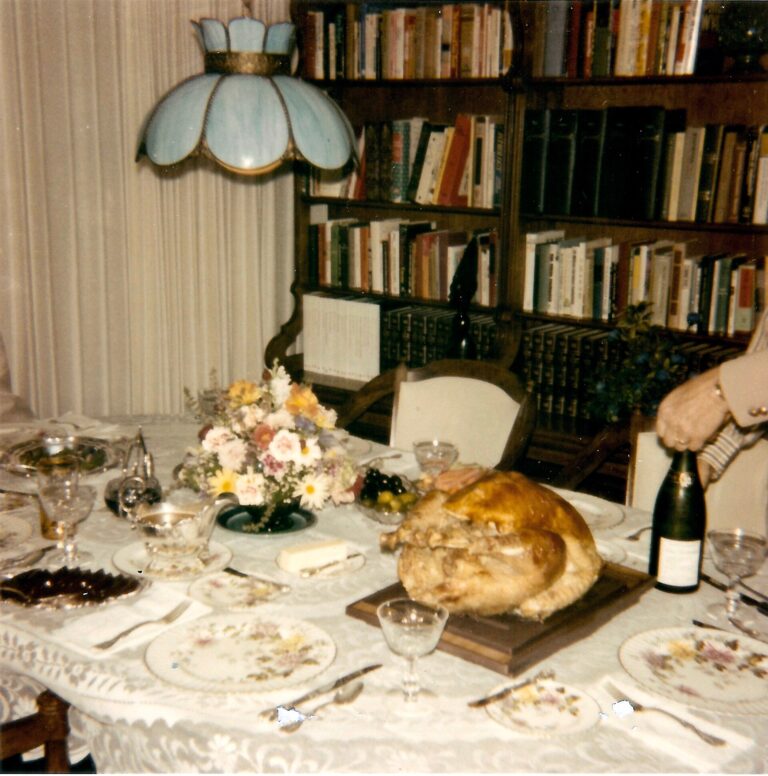
Image: GarlandFamily – CC BY-SA 4.0/Wikimedia Commons