Thanksgiving week brings out the generous side of a lot of kitchens. A family cleans out the pantry for the office food drive, a neighbor offers to drop off the extra pie, and someone wonders whether the leftover turkey could help a family down the road.
Feeding America, the national network of food banks, says some of those well-meant donations cannot be used. Its guidance lists 5 kinds of food to keep out of the donation box: perishables that need refrigeration, expired food, leftovers and homemade food, baked goods, and items in damaged, opened or glass packaging. The reason, in nearly every case, is that a food bank has to be able to store the food safely and confirm what is in it.

Why the rules matter this year
Food banks are stretched heading into the holiday. In Phoenix, St. Mary’s Food Bank was about 11,500 turkeys short of its Thanksgiving goal, KJZZ reported on Nov. 11, 2026, and spokesperson Jerry Brown said the need is up about 10% this year, with rising costs and lost SNAP benefits bringing more families in. In Alaska, the Fairbanks Community Food Bank was packing meal boxes for 3,200 households and was about 1,500 turkeys short, Alaska’s News Source reported on Nov. 17, 2026. “One can of corn is a can of corn that household didn’t have,” CEO Anne Weaver told the station.
That makes every usable donation count, and it makes the unusable ones a real cost, since volunteers have to sort and discard them. Grocery bills are higher for donors, too; a look at what Thanksgiving dinner costs in the Northeast and the South this year shows the squeeze, and a few clever frugal living tips can free up room in the budget for a bag of canned goods. The 5 categories below come from Feeding America’s guide to what to donate and what to avoid.
1. Perishables that need refrigeration
Fresh produce, dairy and meat are welcome at the dinner table but are not good fits for a food drive box. Many food banks do not have the refrigerator or freezer space to hold them, according to Feeding America, which says food banks often get fresh items through farmers, retailers and other companies instead. Its Thanksgiving guidance adds that home donors should skip whole turkeys and highly perishable items. Some food banks run their own turkey drives, as St. Mary’s and the Fairbanks food bank do, so checking the local food bank’s list of needs comes first.
2. Expired food
Cans and boxes past their “sell-by” or “use-by” date could be unsafe to eat, Feeding America says, and food banks cannot hand them out. Its Thanksgiving donation guide also suggests avoiding food that is close to its expiration date. A pantry clean-out is a good moment to check dates before anything goes into the bag.
Holiday giving is a long-standing American custom, as familiar as the turkey itself and one of the odd American traditions that confuse the rest of the world. Many church food pantries and congregations run food drives this time of year as well, and for readers curious about the faith behind that service, a piece on common misconceptions about living the Christian life offers a closer look.
3. Leftovers and homemade food
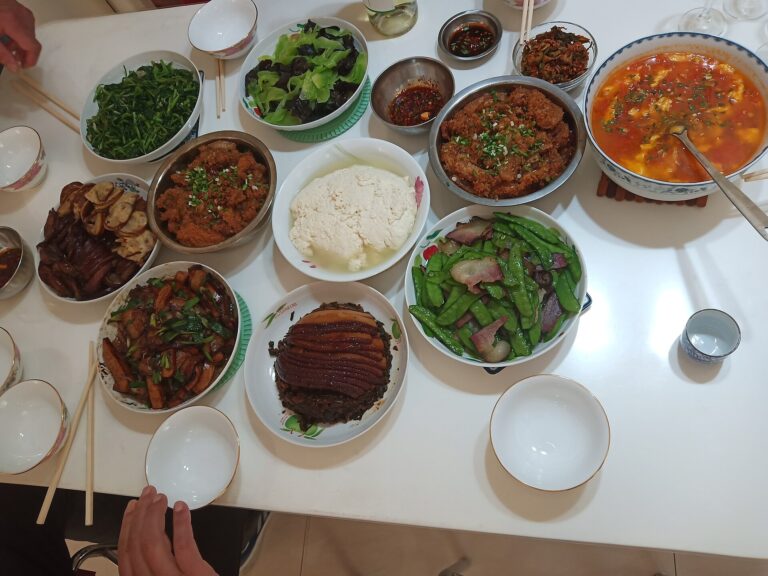
Feeding America says food banks cannot accept leftovers or food made in a home kitchen because those foods are not individually sealed and the food bank cannot verify the ingredients or how they were prepared. That includes the extra plate of turkey, the second pan of stuffing and home-canned goods. Its Thanksgiving guide explains that leftover food from restaurants, caterers and manufacturers goes through food rescue programs, which have their own handling rules.
Leftovers at home are better off in the household fridge or freezer, or shared with friends and family. Sending guests home with a plate is a tradition in many families; one Arizona grandmother’s story, from a mistaken text to a Thanksgiving invite to a stranger that became a yearly dinner, shows how far a shared meal can go.
4. Baked goods
Homemade pies, cookies and breads fall under the same rule. Feeding America says food banks cannot confirm how baked goods were made or what is in them. Local restaurants and bakeries may donate properly labeled food to pantries through their own channels, the group notes, but a home baker’s extra pie is better shared at the table.

5. Damaged or opened packaging and glass jars
Dented or bloated cans, opened packages and food in glass containers round out the list. Feeding America notes that glass can shatter and create food safety concerns, which rules out jars of pasta sauce, pickles or baby food for a food drive box. Its rule of thumb is simple: anything a shopper would not buy new should not go in the donation box.
What to give instead
Feeding America suggests shelf-stable staples in cans, boxes or plastic: peanut butter, canned soup, fruit, vegetables, stew, fish and beans, pasta and rice. For Thanksgiving specifically, its guide lists boxed stuffing, instant mashed potatoes, canned vegetables, dry macaroni, cranberry sauce and canned pumpkin. The Fairbanks food bank’s boxes include stuffing, canned yams, green bean casserole ingredients and pie, Alaska’s News Source reported.
Money goes a long way too. In a Dec. 15, 2025, release, Feeding America said a $1 donation helps secure at least 10 meals through its partner food banks, and its network includes 250 food banks and more than 60,000 food pantries and meal programs. “Everyone deserves the chance to gather with family, share a meal and celebrate cherished traditions,” said Casey Marsh, the group’s chief development officer. Feeding America’s Thanksgiving guide also suggests other ways to help, such as volunteering at a food bank during the holiday week, joining a virtual food drive or signing up as a monthly donor.
The simplest plan: look up the local food bank through Feeding America’s food bank finder, check its most-needed list and drop-off hours, and pack sealed, unexpired, shelf-stable food in cans or boxes. Leftovers and pies stay home, and the donation box gets exactly what the shelves need.
This article was produced with AI assistance and edited for accuracy against the sources linked above.