Hosting Thanksgiving is a labor of love, and most hosts would rather swallow a complaint than start a fight over the stuffing. That polite silence is exactly what two letters to Miss Manners describe this week. Both writers host big family meals, and both are quietly tired of the same handful of guest habits.
Seven of those habits are below, pulled from the two letters in the syndicated column published Nov. 20, 2026, along with the advice Miss Manners gave and what etiquette guides say about the same situations. No statistics are involved, only what the hosts wrote and what the experts suggest.

Habits 1 to 3: the dishes and the leftovers
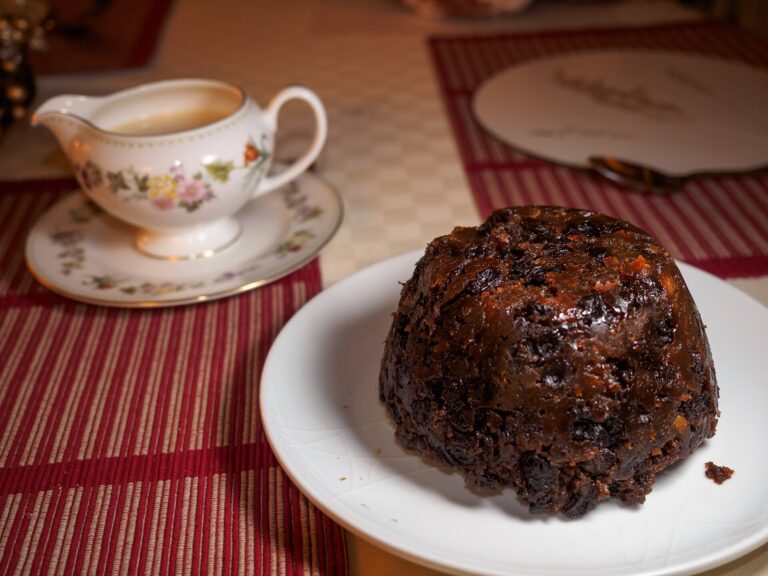
1. Bringing a dish after being asked to bring something else. In the first letter, a host of about 20 relatives says one guest insists on bringing a dessert nobody eats. The hosts kindly asked for a different dish, and the guest declined. The letter was printed by Arcamax in the Miss Manners column. Emily Post’s guide to party etiquette for hosts and guests gives guests a simple rule: bring what the host requested.
2. Taking home the uneaten dessert plus a pile of other leftovers. The same guest, according to the letter, carries home the dessert and then a large share of the other leftovers. Miss Manners saw it as a way to get credit for bringing something while collecting free food. Her fix was a “don’t bring a dish” method this year, with a note that the hosts plan to keep the leftovers. Hosts who do keep them can follow the U.S. Department of Agriculture’s leftovers guidance: refrigerate within 2 hours, and eat within 3 to 4 days. Extra containers fit more easily with a few clever storage hacks.
3. Skipping setup and cleanup. The writer says the guest does not help with setup or cleaning. Emily Post’s advice for guests runs the other way. It says to be specific when offering help, for example by offering to prep the salad or fill the water glasses, and to offer help with cleanup as the party winds down. A list of kitchen checks before Thanksgiving dinner on Nov. 26 shows how much there is to do, and the unwritten rules of guest help are part of the American traditions that confuse the rest of the world.
Habits 4 to 5: the timing and the extra food
4. Being the first to leave. The first letter adds that the guest is the first person out the door every year, which means the leaving happens before the cleanup begins. The etiquette guide asks guests to thank the host enthusiastically when saying goodbye and to call the next day to say thanks again. A related look at people who thank the cook after every meal shows how far a simple thanks goes.
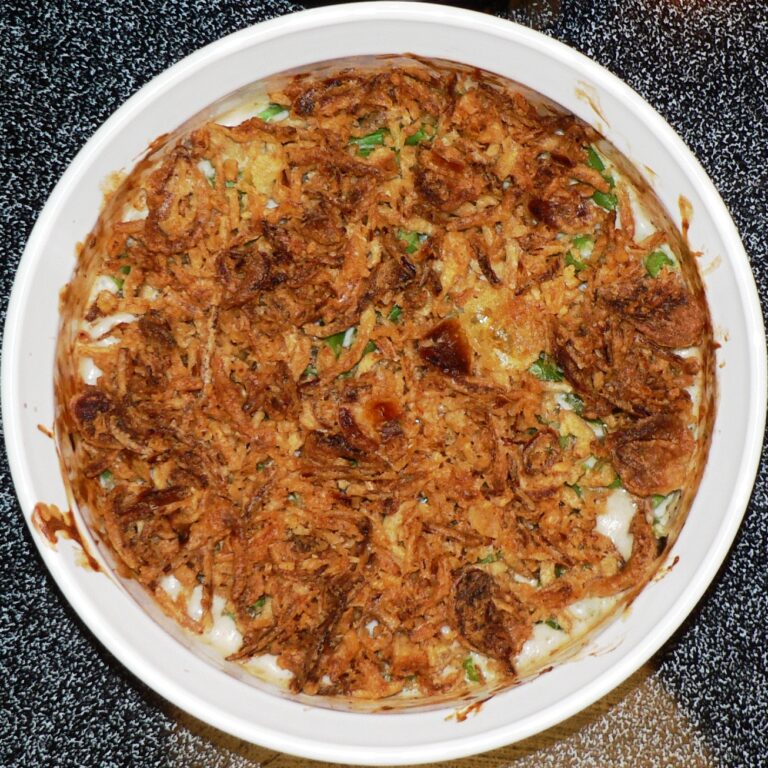
5. Bringing unrequested stuffing and mashed potatoes. The second letter comes from a host who loves planning the menu and feeding a crowd. Her sister-in-law, she writes, insists on bringing dishes that were not requested or needed, and this year told her to make less food so that her own stuffing and mashed potatoes would fit. The host calls it rude to insist on bringing food to an event someone else is hosting. At a true potluck, as the Wikipedia entry on potlucks describes, each attendee brings a dish to be shared, but the letter describes a host-planned menu, where unrequested dishes disrupt the plan.
Habits 6 to 7: the kitchen and the seating
6. Barging into the kitchen to “help.” The second letter describes a relative who is quite managerial and thinks nothing of walking into the host’s kitchen to help. Helping is a good habit when it is specific and invited. Emily Post’s guide says to offer help in specific terms, and it advises guests not to overindulge, because moderation leaves enough for others. A kitchen with one cook is also a kitchen where a comparison of countertop appliances that free up the oven can matter more than extra hands.
7. Rearranging the seating and the buffet. According to the host, the same relative tried last year to rearrange the seating and the placement of the buffet dishes to something she found more pleasing. Hosts plan the table for a reason, and the habit is common enough that families keep arguing about it, as in six things families quietly argue about at Thanksgiving dinner.

What Miss Manners and the etiquette guides suggest
For the second letter, Miss Manners recommended telling the sister-in-law that the host is happy to share hosting duties, but that it must be done year to year, not in the middle of the host’s own event. The host plans the menu and sets the table, and when the relative hosts, she does the same. Miss Manners said she did not know whether that was an option or whether the relative would agree, but that the conversation itself gives the relative a chance to back off.
Both answers favor a clear rule over a private grievance. Emily Post’s guide points the same way, advising hosts to say in the invitation what guests are expected to bring and to keep a fallback ready in case a dish flops. Thanksgiving is the fourth Thursday of November, which makes it Nov. 26 this year, as the Wikipedia entry on the holiday notes, and a message sent a week ahead is better than a standoff at the table.
The habits above are not crimes, and the letters do not claim they are. Each one can come from a guest who simply wants to contribute. Etiquette, in the columns and the guides, is mostly about saying what the table needs before the day arrives. Even odd family customs work when everybody knows the rules ahead of time.
A quick host checklist
A host who recognizes one of the seven can use a short list. State what to bring, or that nothing is needed. Say what happens to leftovers. Name a specific job for anyone who offers help. Keep the seating plan and the buffet layout set before guests arrive. And keep the tone warm, because both letters say the writers want family harmony above all.
This article was produced with AI assistance and edited for accuracy against the sources linked above.
Image: Family photos of Infrogmation – CC BY-SA 4.0/Wikimedia Commons