Few kitchen habits are as automatic as putting groceries away: cold things in the refrigerator, everything else somewhere nearby. The trouble is that the fridge is not the best default for every food. A tomato that goes in comes out mealy, and a banana turns brown in a couple of days.
The Farmers’ Almanac, in an article by Jaime McLeod updated Aug. 7, 2026, sorts the question into a list. The page is titled “18 Foods That Don’t Need the Fridge,” and 17 of those entries are foods the Almanac says do better out of the refrigerator, from tomatoes and bananas to bread and coffee beans. The 18th is eggs, which the Almanac says belong in the fridge in the United States. Some entries are firm rules and others are optional, and each is labeled below.

Counter-first staples: items 1 to 9
1. Tomatoes. The Almanac’s guide to foods that skip the fridge is blunt about this one: cold turns tomatoes mealy and flavorless, so they stay on the counter. It says that below about 55 degrees Fahrenheit the cells in a ripe tomato break down and the aroma fades. North Dakota State University Extension’s food storage guide similarly tells cooks to ripen tomatoes at room temperature, out of direct sun.
2. Potatoes and sweet potatoes. The Almanac says the refrigerator is too cold for potatoes and changes their starches, affecting texture and flavor, and suggests a paper bag. NDSU’s guide says to keep potatoes below 50 degrees for longer storage and not to refrigerate sweet potatoes. A pantry with a little organization, like the ones in a set of clever storage hacks, makes a cool, dark spot easy to find.
3. Onions and garlic. According to the Almanac, the fridge softens them over time and moves their smell onto other foods. A cut onion, well wrapped, can go in the fridge. NDSU’s guide adds that whole onions should stay dry and away from the sun.
4. Bananas. Cold turns the peel brown and changes the texture, the Almanac says, and it suggests peeling and freezing overripe ones for smoothies and banana bread. NDSU’s chart says to refrigerate bananas only when fully ripe, and that the skin will darken.
5. Bread. Many people chill bread to keep it from going stale, but the Almanac says the fridge dries it out faster; it recommends a dark cupboard or a bread box. Clemson’s storage chart also advises against refrigerating bread because chilling speeds staling, and the Wikipedia entry on staling agrees that refrigeration increases the rate. For a nostalgic look at the mid-century era, see a piece on slang from the swinging 60s, and for home food history, the story behind the first TV dinner.
6. Coffee beans and grounds. Refrigerating coffee saps moisture and flavor, the Almanac says, so the cupboard is the place. A countertop coffee corner, as in a set of creative coffee bar ideas, keeps the beans close at hand.
7. Whole melons. The refrigerator makes the flesh mealy, according to the Almanac.
8. Winter squash. Acorn, spaghetti and butternut squash can sit in the open on the counter, the Almanac says, which frees fridge room for holiday cooking, and a list of kitchen checks before Thanksgiving dinner on Nov. 26 covers the rest.
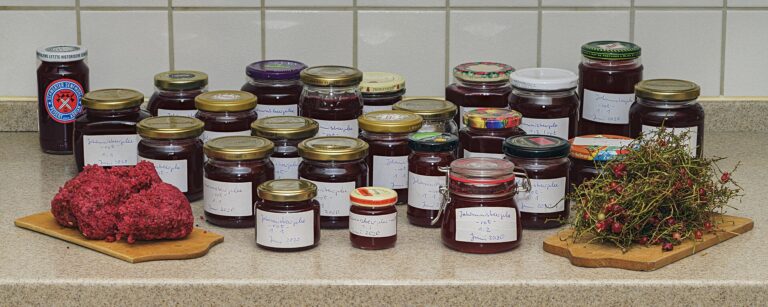
9. Honey, jam and maple syrup. Honey and real maple syrup crystallize in the fridge, the Almanac says, so they belong at room temperature out of direct sun. NDSU’s guide says to refrigerate jellies and jams after opening and notes that crystallized honey can be warmed in a pan of hot water.
Counter for flavor, fridge if preferred: items 10 to 14
10. Apples and pears. They can go in the fridge, but they do not need to, the Almanac says, because cold air tends to break down their crisp texture.
11. Citrus. Oranges, lemons, limes and clementines can sit on the counter, but the Almanac warns to keep close tabs, because one moldy fruit will spread to the others.
12. Pickles. The Almanac says pickles contain enough sodium to preserve them, so the only reason to refrigerate is a preference for cold.
13. Butter. Covered butter can sit on the counter for about a week depending on temperatures, according to the Almanac, though the best plan is to keep the block in the fridge and bring out one stick at a time. In very hot weather, it suggests smaller amounts.
14. Peppers. The Almanac says the fridge softens their crisp texture and suggests a paper bag.

Counter until ripe: items 15 to 17
15. Peaches and plums. Unripe stone fruit will not ripen in the fridge, the Almanac says, so they stay on the counter until ripe.
16. Avocados. Whole avocados ripen on the counter. A very soft one can gain a few extra days in the fridge, but the Almanac says that costs flavor, so eating it right away is better.
17. Berries. The Almanac says fresh berries are not meant to last long and can be enjoyed over a few days on the counter, washed just before eating. NDSU’s chart lists berries at 2 to 3 days.
The 18th food, eggs, and the rule behind the list
Eggs are the one item on the page that goes back in the fridge. The Almanac explains that U.S. eggs are washed in processing, which removes a protective layer called the bloom, while European eggs are sold unwashed and not refrigerated. Supermarket eggs here belong in the fridge, it says.
The Almanac’s rule behind most of the list is moisture: a refrigerator is a drying environment as much as a cold one, which is why bread, coffee and peppers all come out worse for the trip. It adds that the fridge does real work for raw animal protein, dairy, cooked leftovers and cut produce, citing the FDA storage guide. The Almanac also says that above 80 degrees Fahrenheit the counter rules tighten. As the Wikipedia entry on refrigerators notes, practical household refrigerators arrived around 1915 and gained wider acceptance in the 1930s, replacing the icebox, so the habit of chilling everything is younger than many kitchens imply.
With Thanksgiving on Nov. 26, a quick pass through the counter and the crisper now can free up fridge space for the turkey, the pies and the leftovers. The list is the Almanac’s own advice, and conditions vary by home, so the label on a package remains the final word.
This article was produced with AI assistance and edited for accuracy against the sources linked above.
Image: daryl_mitchell from Saskatoon, Saskatchewan, Canada – CC BY-SA 2.0/Wikimedia Commons