There was a time when Kentucky Fried Chicken, better known as KFC, was practically untouchable in America’s fried chicken business. Its signature buckets, secret blend of 11 herbs and spices, and familiar image of Colonel Harland Sanders made it one of the country’s most recognizable fast-food brands.
For generations, families turned to KFC for Sunday dinners, road-trip meals, and quick buckets of chicken to share with friends. The brand had something many competitors wanted: a strong identity that customers immediately recognized.
But times have changed.
Today, KFC is facing a difficult battle in the United States. Competitors are attracting chicken lovers, restaurant closures have reduced its American footprint, and the company is working to convince customers that its food and experience are worth choosing over the growing number of alternatives.
The situation has become serious enough that KFC’s leadership has been working on a comeback strategy.
The irony is that KFC remains a powerful international brand. Its worldwide business is growing, but its American operation has struggled to maintain the position it once enjoyed.
So, what happened to the restaurant that helped make fried chicken an American fast-food favorite?
Here are six reasons KFC has been losing its grip on the American market.
KFC Has Lost Hundreds of American Restaurants
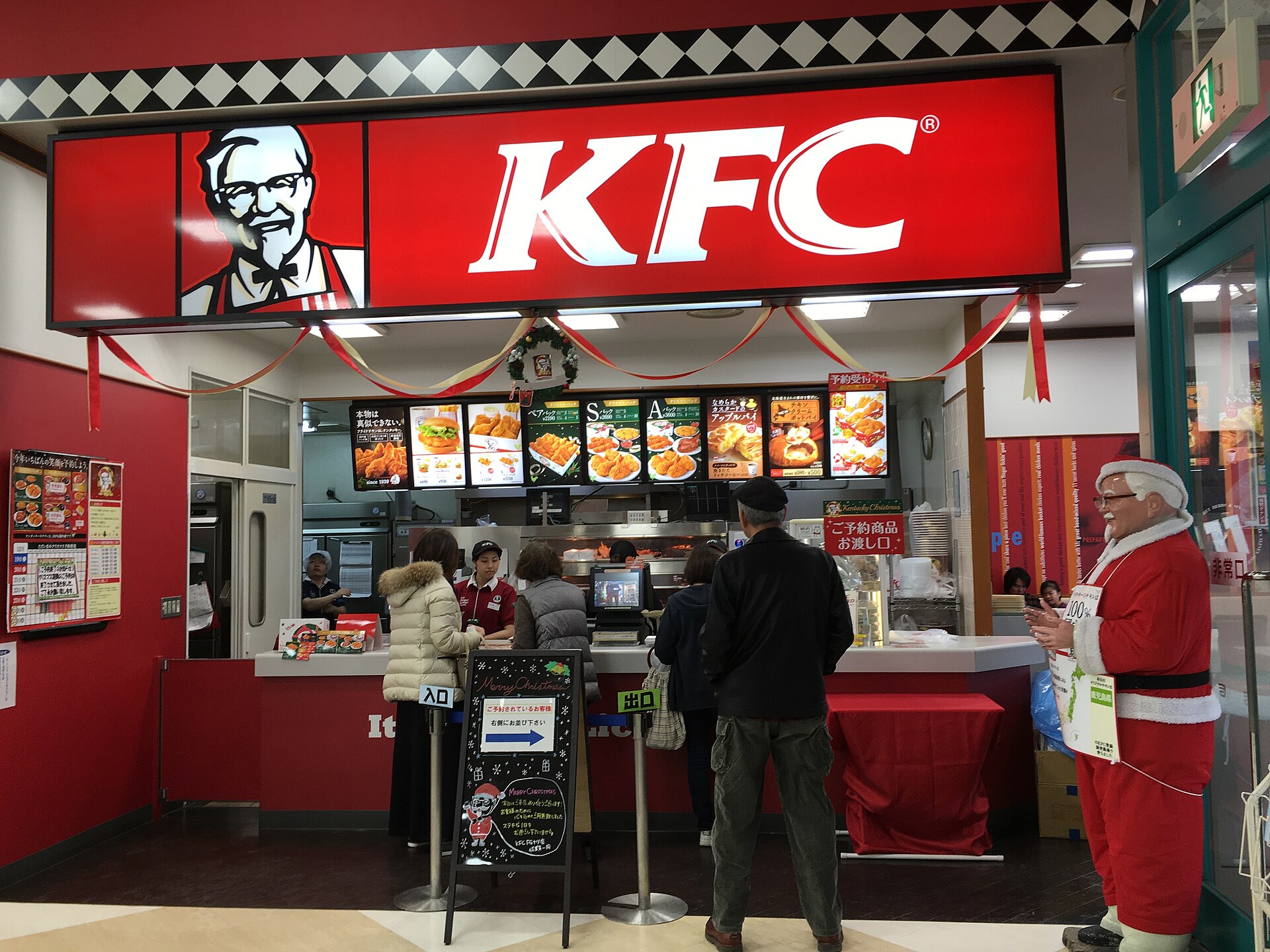
One of the clearest signs of KFC’s struggles in America is the shrinking number of restaurants.
According to Franchise Times reporting in January 2026, KFC had about 4,391 U.S. locations in 2015. By the time of the report, that number had fallen to around 3,580.
That represents a loss of approximately 811 locations over the period.
Restaurant closures are not automatically proof that a brand is failing. Companies regularly close underperforming locations, adjust their business models, and move restaurants to more profitable areas.
However, a shrinking footprint can make it harder for a restaurant chain to remain part of customers’ everyday routines.
When a familiar neighborhood location disappears, customers may develop new habits elsewhere.
KFC’s challenge is particularly noticeable because the American chicken market has become increasingly competitive.
The company needs to persuade customers to visit existing locations while also finding opportunities to rebuild its presence.
Competition Has Become Much Tougher
KFC helped establish the American fast-food fried chicken market, but it no longer operates in a business with only a handful of serious competitors.
Today, customers have plenty of alternatives.
Major competitors in America’s chicken market
Chick-fil-A
Known for chicken sandwiches and customer service.
Raising Cane’s
A focused menu built around chicken fingers.
Popeyes
A strong identity around Louisiana-style chicken.
Dave’s Hot Chicken
A newer competitor attracting fans of spicy chicken.
These businesses have given consumers more reasons to explore alternatives to traditional fried chicken buckets.
The Wall Street Journal reported in June 2026 that KFC was trying to expand beyond its famous buckets as competitors such as Chick-fil-A and Raising Cane’s gained ground in chicken sandwiches and tenders.
That presents a difficult challenge for KFC. It must protect its traditional identity while finding ways to appeal to customers with different preferences.
The Brand Has Struggled to Keep Its Original Identity Fresh
One of KFC’s greatest strengths was its simplicity. People knew what to expect: fried chicken, recognizable sides, familiar flavors, and the Colonel’s famous face.
But the fast-food industry has changed considerably.
Customers now have more choices, and restaurant brands are constantly introducing new sandwiches, sauces, meal combinations, and limited-time products to attract attention.
KFC has been trying to adapt by expanding its menu beyond traditional chicken buckets.
In June 2026, The Wall Street Journal reported that the company was introducing new chicken tenders and sauces in different markets while updating restaurant designs.
The strategy reflects an important realization: relying entirely on a product that made a company famous does not guarantee that customers will remain interested forever.
However, changing too much can also create problems. Customers who visit KFC specifically for its traditional fried chicken may not necessarily want a completely different restaurant experience.
The company therefore faces a delicate balancing act. It needs to attract younger customers without abandoning the people who helped build the brand.
American Customers Have Become More Difficult to Win Over
Fast-food customers are becoming increasingly selective about where they spend their money.
Price, convenience, portion sizes, service, and food quality all influence purchasing decisions.
When customers feel that a restaurant no longer offers enough value, they can easily switch to another option.
KFC competes in an environment where customers can compare prices, check online reviews, order through delivery apps, and explore promotions from several chicken restaurants before deciding what to eat.
This puts additional pressure on established brands.
KFC has attempted to address the challenge through promotional offers and value-focused campaigns.
One example was its 2025 effort to bring back the Colonel in advertising and offer customers free buckets of chicken as part of a broader comeback strategy.
According to Franchise Times, KFC U.S. president Catherine Tan-Gillespie described the effort as a way to restore the brand’s fighting spirit.
The challenge is that promotional offers can attract customers temporarily, but they do not automatically create long-term loyalty.
Customers must have a reason to return after the discount disappears.
KFC’s American Sales Have Been Under Pressure
Restaurant closures are only part of the problem. Sales performance provides another important picture of what is happening.
Yum! Brands, KFC’s parent company, reported that KFC’s U.S. system sales declined 5% in 2025, excluding foreign currency effects.
Its U.S. same-store sales also declined 1% for the full year.
The situation remained challenging in 2026.
In its third-quarter 2026 results, Yum! Brands reported that KFC’s U.S. system sales declined 6% year over year, excluding foreign currency effects. U.S. same-store sales were down 3% year-to-date.
These figures matter because same-store sales measure performance at restaurants that have been operating long enough to be included in the comparison.
They help show whether existing restaurants are attracting more or fewer sales, rather than simply reflecting the opening of new locations.
However, an important distinction matters: KFC’s worldwide performance tells a different story.
In the third quarter of 2026, the brand recorded 1% global same-store sales growth, while worldwide system sales increased 6% excluding foreign currency effects.
This means KFC is not collapsing everywhere. Its American operation faces a much tougher situation than several of its international markets.
The Company Is Now Trying to Bring Back the Colonel’s Magic
Perhaps the most interesting part of KFC’s story is that the company appears to understand that it needs more than another promotional campaign.
It needs a stronger identity and a convincing reason for customers to return.
KFC’s American leadership has been working on a comeback strategy that includes refreshed advertising, restaurant improvements, menu innovation, and more competitive offers.
Colonel Sanders’ return to advertising has also been an important part of the effort.
The character represents something that many modern fast-food brands struggle to manufacture: a recognizable personality connected to a long history.
The company is also exploring new products, including tenders and sauces, to compete more directly in the changing chicken market.
These efforts could help KFC reconnect with customers who have gradually moved toward newer competitors.
But rebuilding a restaurant brand takes time.
A successful comeback will depend on whether customers actually notice improvements in their experiences, whether the food continues to meet expectations, and whether the prices make sense for everyday consumers.
Can KFC Really Make a Comeback?
Despite its struggles in America, KFC is far from finished.
Its international business remains substantial, and the company continues to open restaurants worldwide.
Yum! Brands reported that KFC operated 35,421 restaurants worldwide as of September 2026. Approximately 90% of those locations were outside the United States.
The brand also recorded positive global sales growth in the third quarter, showing it still has considerable strength beyond its home market.
The real challenge is rebuilding its reputation in America.
KFC needs to convince customers that it can deliver the experience they remember while keeping up with competitors that have successfully attracted modern chicken lovers.
It also needs to make its restaurants appealing enough that customers choose them without needing a special discount.
The Colonel’s image might bring back memories, but nostalgia alone cannot guarantee a successful business.