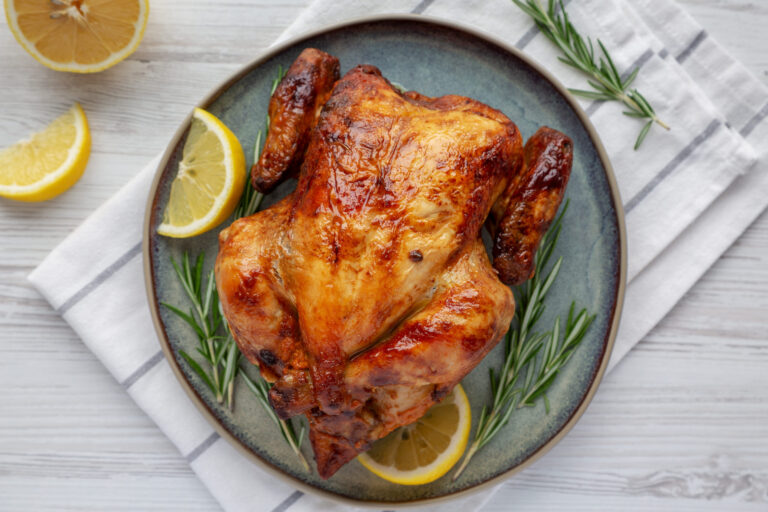
The car pulls into the driveway, the smell of roasting turkey drifts out the front door, and within an hour a grown woman with a mortgage and two kids is somehow back to being the bossy older sister. Anyone who has gone home for a big holiday dinner knows the feeling of sliding into a role that was written decades ago.
AARP tackled exactly that pattern in a family-dynamics guide built on advice from family therapists. Its point is simple: when everyone crowds into Grandma’s house, relatives of every age tend to fall, or get pulled, back into their childhood parts, and that is where the conflict starts. Below are 6 of the steps AARP’s experts suggest grown children take before and during the visit, with the dinner table in mind.

1. Set boundaries before the first dish is passed
The AARP guide on holiday family dynamics starts with boundaries, and it puts them before the gathering rather than in the middle of it. Grown children can tell parents, siblings or other guests ahead of time which topics are off the table. AARP’s own examples are refusing to get pulled into political talk at dinner and declining to rehash old childhood wins or embarrassments.
Saying it early matters. A calm text a week before the meal lands very differently from a sharp remark over the mashed potatoes, when everyone is tired and the gravy is getting cold. For more on keeping things smooth as a visitor, Frenz Hub has a list of etiquette tips for being a good houseguest that pairs well with this step.
2. Prepare for the weird moments
AARP’s second tip is to picture, in advance, how to respond if someone ignores those requests or talks to a grown child like a 12-year-old. The guide lists several options: humor mixed with firmness, stepping away, or taking a slow breath and letting the moment pass.
The idea is that a plan made at home is easier to follow than a reaction made at the table. Families with long-running rituals, from who carves the bird to where everyone sits, tend to have predictable flash points. Frenz Hub’s roundup of Thanksgiving traditions families quietly find odd is a lighthearted reminder that every household has its quirks.
3. Ask for change the right way
How a request is worded makes a big difference, according to Erin Cassidy-Eagle, a clinical professor at Stanford University quoted by AARP. Her advice is to bring parents into the change and acknowledge that they mean well, which gives them the benefit of the doubt instead of putting them on the defensive.
AARP’s example is a familiar one at holiday meals: a parent proudly mentions a special dish and is stung when the grown child no longer wants it. Rather than brushing the dish aside, the guide suggests explaining that the dish is clearly made with love, and then asking for help putting together a table with a little more variety. The food stays at the center, and nobody’s cooking gets dismissed.
A separate AARP piece on holiday manners makes the same point from the other side. Writer S. Bear Bergman told AARP that skipping a familiar side, such as sweet potatoes, does not mean the old recipe was bad; it only means the family is trying something new.

4. Line up a support person
Mudita Rastogi, a clinical professor and licensed marriage and family therapist with the Family Institute at Northwestern University, suggests arranging ahead of time for someone to reach out to when a break is needed. That person can be in the room or on the other end of a text thread.
According to AARP, the grown child should tell that person in advance that the goal of the message is to be calmed down, not stirred up. The reminder that comes back is meant to be simple: the point of the trip is to enjoy the family, not to stew. Travelers already juggling flights and bags can find practical packing ideas in Frenz Hub’s guide to carry-on suitcases for Thanksgiving trips, one less thing to stress about before the door opens.
5. Avoid choosing sides
Siblings bring their old arguments home along with the pie. Rastogi has a name for getting pulled into someone else’s fight and picking a team: “triangulating.” AARP says it can make family conflict worse.
The recommended move is to listen, show some sympathy and offer support without endorsing everything the upset relative says. That keeps a grown child out of the role of referee, a job nobody wants while the turkey is resting. Holiday crowds are also bigger than usual this year; a recent report noted that airlines expect nearly 29 million Thanksgiving flyers, which means plenty of tired relatives arriving at once.
6. Schedule time apart
AARP’s final tip for this list is blunt: when the whole family has to do every single activity together, it is “a recipe for conflict.” The guide recommends planning one-on-one time with different relatives and building in quiet stretches.
In practice, that might mean a walk with a parent before the meal, a grocery run with a sibling for the forgotten cranberry sauce, or an hour alone with a book while the dishes soak. Smaller moments often go better than one long, crowded day. Grandparents can make those moments count too, and a list of things grandchildren need to hear from their grandparents offers a warm way to fill them.
AARP, the nonprofit organization for people 50 and older described on its Wikipedia page, notes that even adults with careers and children of their own can be made to feel like kids again in a parent’s house. The guide also urges talking ahead of time about what everyone wants from the visit, with questions as plain as whether a big dinner is planned or whether the neighbors are invited.
The same guide adds a note for parents: the number one thing adult children want is approval, not advice, according to Cassidy-Eagle. Both sides arriving with a plan, rather than a script from 1995, gives the Thanksgiving meal a better shot at being about the food and the people around it.
These steps will not erase every awkward moment. They do give grown children a few tools to walk in the door as the adults they have become, and to leave with leftovers and good memories instead of a fresh grudge.
This article was produced with AI assistance and edited for accuracy against the sources linked above.
Image: Family photos of Infrogmation – CC BY-SA 4.0/Wikimedia Commons