The plates are filled, the chairs are scraped back, and a dog has chosen the one spot under the table where a dropped bite is most likely to land. With Thanksgiving falling on Thursday, November 26, 2026, according to Wikipedia, the holiday puts many foods that pets should never eat within easy reach.
The ASPCA keeps a plain list of people foods to keep away from pets, and several items on it sit on a typical holiday table. Grapes and raisins, onion, garlic and chives, and the sweetener xylitol are the three the headline names, and the ASPCA list adds alcohol and yeast dough, chocolate, coffee and caffeine, macadamia and other nuts, very salty foods, and raw or undercooked meat, eggs and bones. The sections below take them one at a time, with the wording the ASPCA and the AVMA, the national veterinary association, use.

Grapes and Raisins Hide in Salads, Stuffing and Desserts
For dogs, the ASPCA says exposure to grapes and raisins “can lead to kidney damage.” The group names tartaric acid as the suspected toxin. The ASPCA’s Top 10 Toxins of 2025 report, published March 15, 2026, says grapes, raisins, xylitol gums, onions and garlic make up the largest part of the human food and drink group, which ranked second among 2025 exposure calls. Since raisins show up in stuffing, rice dishes, salads and baked goods, a quick check of the recipe matters as much as a check of the fruit bowl.
The AVMA’s Thanksgiving page makes the same point in a single line: onions, raisins and grapes are poisonous to pets. Hosts who set out a cheese board or a fruit tray can keep the grapes on the far side of the room from a curious dog.
Getting a home guest-ready with pets around usually starts with the carpet, and the table deserves the same attention.
Onion, Garlic and Chives Season Many Savory Dishes
The ASPCA says onion, garlic and chives can cause stomach irritation and red blood cell damage in pets. Cats are more susceptible, the group adds, but dogs can be affected too, depending on the amount eaten.
That matters because the three flavorings can season the gravy, the stuffing and the casseroles. A spoonful of leftover stuffing licked off a plate can carry onion and garlic that a cat or dog should not have.
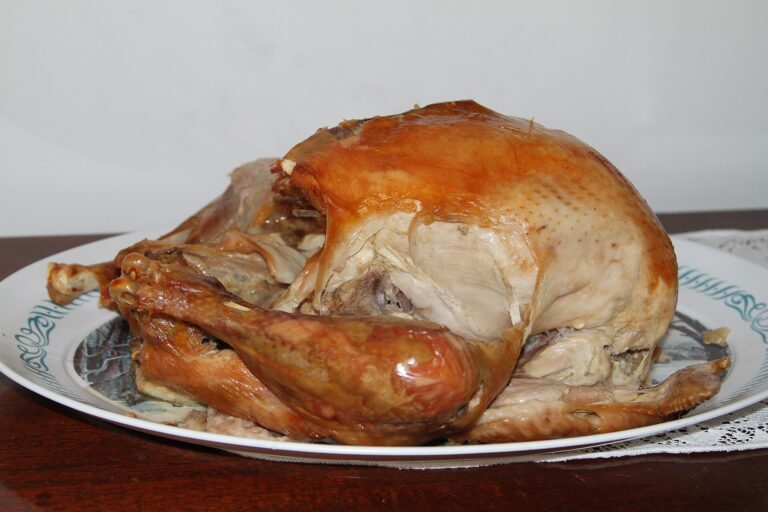
The AVMA adds a second warning about fat: plain, boneless, skinless turkey is generally fine in small portions, but gravy, sauces, dressing and the skin and fat of the bird can be hard for pets to digest, and even a small amount can make a pet very sick.
Crowded kitchens make this harder. Hosts who free up the oven with an air fryer or toaster oven end up with more dishes cooling on the counter at once, and every one of them is within reach of a cat. A look at what does not belong on a kitchen counter is a good habit before guests arrive. A pet-themed gift list such as this holiday guide for cat people can also give guests something to bring besides table scraps.

Xylitol Turns Up in Sugar-Free Sweets and Gum
Xylitol is a sugar alcohol used as a sugar substitute in chewing gum, candy and other confections and in toothpaste, according to the Wikipedia entry on xylitol. It also holds up in baking, so sugar-free pies and cookies can carry it. The ASPCA lists xylitol among the foods to keep from pets and says early signs include vomiting, lethargy and loss of coordination, which can progress to seizures. Liver damage can follow within 12 to 24 hours, the group says.
The AVMA states that xylitol “can be deadly if consumed by dogs or cats.” The evidence is firmest for dogs. The Wikipedia entry calls xylitol poisonous to dogs and notes that a small 2018 study suggested cats tolerated it, though the authors said the result was not definitive. Since nothing is settled, the cautious route is the same for both animals: gum in a guest’s purse and sugar-free desserts stay out of reach. Some dogs will test every rule, as a trainer’s list of the breeds that are hardest to train shows, so purses and coat pockets are worth a glance.
Dough, Bones, Salt and the Rest of the ASPCA List
Rising yeast dough can cause painful gas and bloating, the ASPCA says, and it can twist into an emergency. Bones, particularly raw ones, can injure or block a pet’s digestive tract, which may require surgery. Alcohol is absorbed quickly, and chocolate, coffee and caffeine can cause vomiting, tremors and seizures. Darker chocolate and higher caffeine content make it worse.
Macadamia nuts can cause weakness, tremors and vomiting in dogs, the group says, with signs usually appearing within 12 hours. Other nuts, such as almonds, pecans and walnuts, have enough oil and fat to cause vomiting and diarrhea. Very salty foods can make pets thirsty and can cause vomiting and tremors. Raw or undercooked meat and eggs can carry Salmonella and E. coli, which the ASPCA notes are harmful to pets and to people.
A Plan for the Trash, the Guests and the Phone Number
The AVMA advises securing turkey carcasses, bones and related trash in a tightly closed bag inside a closed container outdoors or behind a shut door. For nervous pets, it recommends another room or a crate with a favorite toy, and it says to watch the doors during arrivals and departures. Pets should also have up-to-date identification or a registered microchip.
Guests are the other variable. A short word at the door about not feeding the dog saves a lot of trouble.
If a pet does eat something on the ASPCA list, the group says to note the amount and contact a veterinarian or poison control. The ASPCA Animal Poison Control Center lists the phone number (888) 426-4435 and says it is available 24 hours a day, 365 days a year. A consultation fee may apply, the ASPCA says.
This article was produced with AI assistance and edited for accuracy against the sources linked above.
Image: HaJunkiyada – CC BY-SA 4.0/Wikimedia Commons