Walk into almost any toy store, and you’ll find shelves packed with colorful gadgets, electronic games, talking dolls, and expensive building sets. Parents spend hundreds of dollars trying to give their children the best childhood possible. Yet sometimes, the most valuable things a child needs cannot be wrapped in colorful paper or placed under a Christmas tree.
Think about it. A child might receive the latest gaming console but still wish their parents had more time to play with them. Another might have a bedroom overflowing with toys but struggle to find someone willing to listen to their stories.
According to the American Academy of Pediatrics, play, supportive relationships, and everyday experiences are important parts of childhood development. Expensive toys can certainly be enjoyable, but their price doesn’t determine how much a child learns from them.
Here are 11 things children need that can matter far more than another expensive toy.
Related: Children’s Free Play Fell From About 40% of Their Day in 1981 to 25% in 1997
Parents Who Give Them Undivided Attention
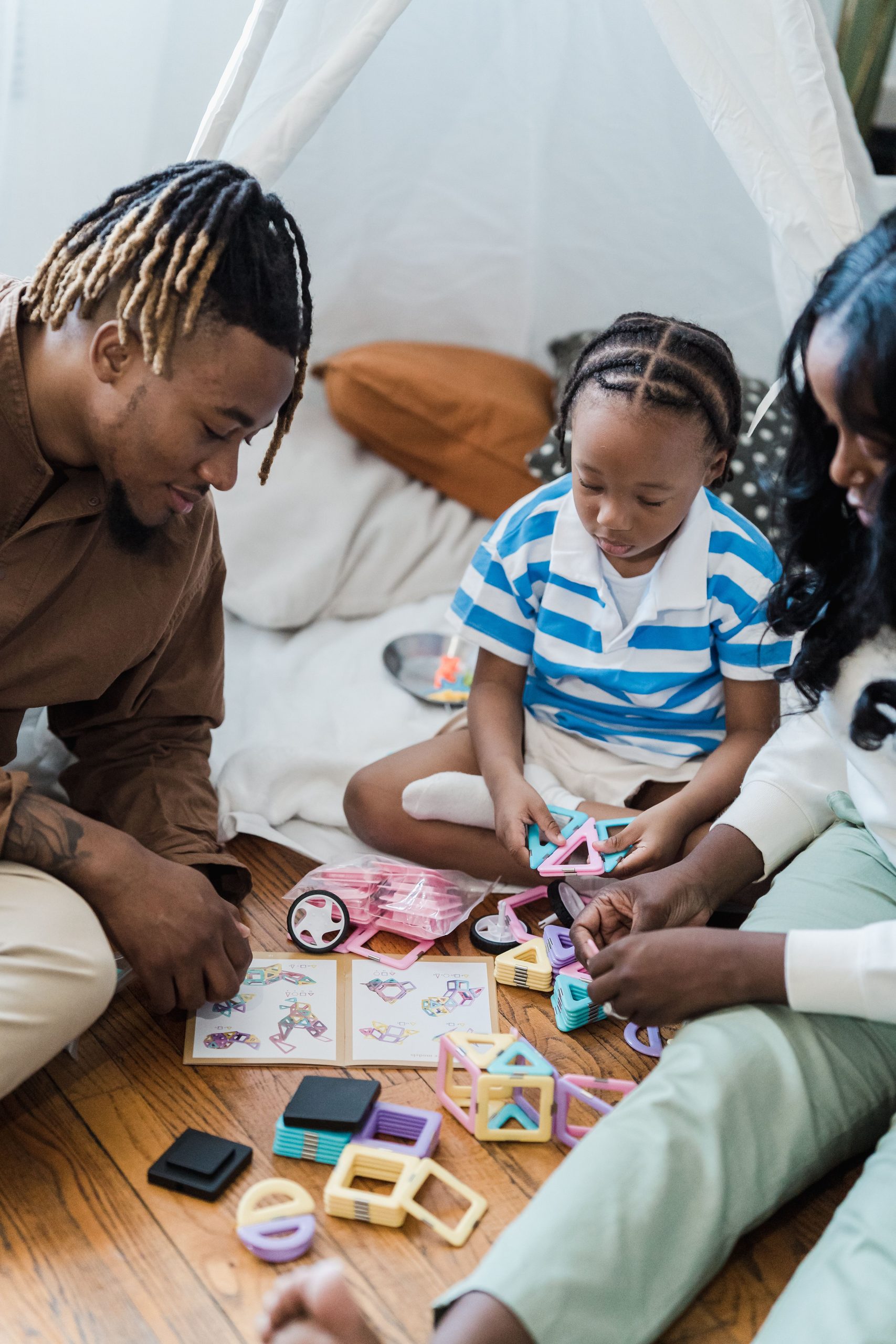
Children don’t always need elaborate entertainment. Sometimes, they want someone to listen.
Imagine a child excitedly explaining what happened at school while a parent continues scrolling through their phone. The child might eventually stop talking, not because the story wasn’t important, but because nobody seemed interested.
Harvard University’s Center on the Developing Child explains that responsive back-and-forth interactions between children and caring adults help build important foundations for communication and development.
Putting down your phone, asking questions, or spending a few minutes playing together can create meaningful connections.
An expensive toy may capture a child’s attention, but being genuinely heard helps them feel valued.
Freedom to Play Without a Schedule
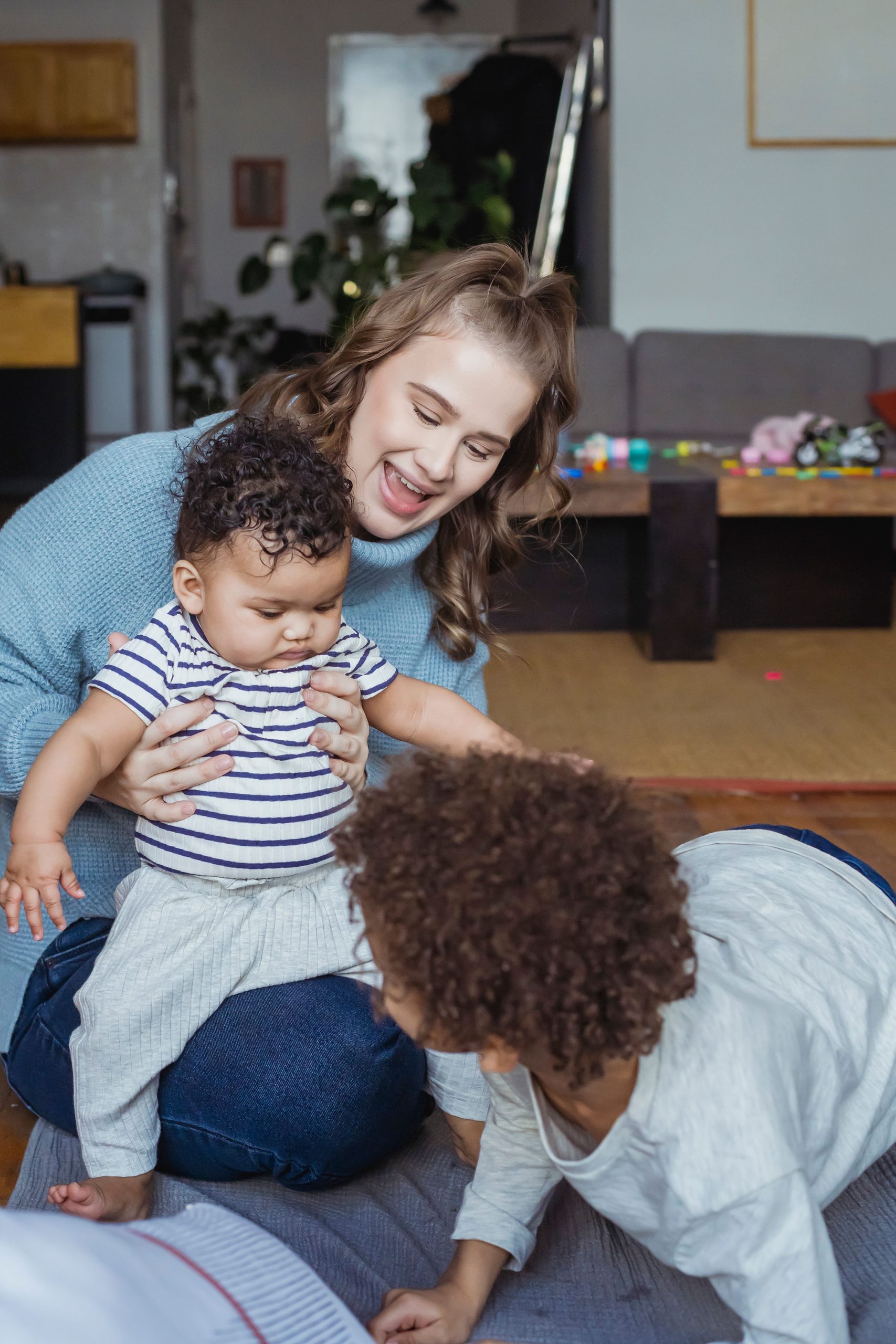
Remember when children could spend an entire afternoon building imaginary houses from cardboard boxes or inventing games in the backyard?
Today, childhood can sometimes feel like a packed calendar of lessons, activities, and organized entertainment.
While structured activities have their place, children also benefit from opportunities to direct their own play.
The American Academy of Pediatrics explains that play supports imagination, language, planning, emotional regulation, and social development.
A cardboard box can become a spaceship, grocery store, or castle without requiring batteries or an expensive subscription.
Sometimes, giving children time to create their own entertainment is more valuable than constantly providing it.
Books and Someone Who Reads With Them
Buying a tablet loaded with educational apps might seem like an excellent investment, but a simple picture book can offer something equally meaningful.
When parents read with children, they create opportunities for conversation, questions, and shared experiences.
A bedtime story can become a familiar ritual that children look forward to each evening.
The Centers for Disease Control and Prevention identifies reading and talking with children as positive parenting practices that support development.
Parents don’t need an enormous home library, either.
Public libraries offer access to books without requiring families to purchase every new title.
What children may remember most isn’t how much the book cost, but the person who made time to read it with them.
A Home Where They Feel Safe and Loved
A beautiful bedroom filled with expensive furniture cannot replace the feeling of being safe at home.
Children need to know that making mistakes won’t automatically lead to humiliation and that expressing sadness or fear won’t make them less worthy of affection.
That doesn’t mean parents should abandon rules or discipline.
It means boundaries can exist alongside warmth, reassurance, and respect.
Harvard’s Center on the Developing Child emphasizes the importance of stable, responsive relationships with caring adults.
When children feel supported, they have a foundation to explore, learn, and seek help when things get difficult.
The most important feature of a child’s bedroom isn’t necessarily its decoration. It’s knowing the home around it is a place where they belong.
Real Friendships and Opportunities to Socialize
A child may own dozens of toys and still feel lonely when no one is there to share them with.
Friendships offer experiences that individual entertainment cannot fully replace.
During play, children practice taking turns, sharing ideas, negotiating disagreements, and working together.
Sometimes they argue over game rules. Other times, they learn how to apologize or accept that someone else has a different opinion.
These moments can become valuable social lessons.
The American Academy of Pediatrics recognizes play with other children as an important opportunity for developing social relationships.
Parents can encourage friendships through playground visits, neighborhood activities, school events, and age-appropriate playdates.
After all, even the most exciting toy becomes more enjoyable when someone is there to laugh with.
Enough Sleep and a Consistent Bedtime
A new electronic gadget might keep a child entertained long after bedtime, but it cannot replace adequate sleep.
Children need regular opportunities to rest, and those needs change as they grow.
The American Academy of Pediatrics recommends that children aged three to five generally get 10 to 13 hours of sleep within 24 hours, including naps.
Children aged six to 12 generally need nine to 12 hours, while teenagers need eight to 10 hours.
A predictable bedtime routine can make evenings easier to manage.
Simple habits such as brushing teeth, reading a story, and preparing for bed at a regular time can help establish consistency.
Instead of focusing only on what children have in their bedrooms, parents should also consider whether those bedrooms provide a comfortable environment for rest.
Time Outdoors to Run, Explore, and Have Fun
Children don’t need expensive equipment to enjoy moving their bodies.
Running around a playground, riding a bicycle, playing catch, or exploring a neighborhood park can provide opportunities for activity and discovery.
The CDC recommends that children and teenagers aged six to 17 get at least 60 minutes of moderate-to-vigorous physical activity each day.
Younger children also benefit from being active throughout the day.
Outdoor play can encourage curiosity and provide experiences beyond screens and indoor entertainment.
A trip to a public playground might not come with an impressive price tag, but it can create memories that children carry for years.
Simple Household Responsibilities That Build Independence
Some parents work incredibly hard to make life comfortable for their children. Meals are prepared, laundry is washed, bedrooms are cleaned, and belongings are organized without the children needing to participate.
Those efforts often come from love, but children also need opportunities to learn practical skills.
A five-year-old might begin by putting toys away, placing dirty clothes in a laundry basket, or helping set the table.
Older children can gradually learn to prepare simple meals, organize their school supplies, and take greater responsibility for household tasks.
The CDC highlights predictable routines and age-appropriate expectations as useful parenting practices.
Teaching children to contribute doesn’t mean taking away their childhood.
It means helping them understand that independence develops through practice.
A child who learns to prepare a simple snack gains something that another toy cannot provide: confidence in doing something useful.
Related:12 Household Items Only Children of the 1980s Will Remember, From Walkmans to Teddy Ruxpin.
Opportunities to Be Creative Without Fear of Failure
Not every drawing needs to look beautiful, and not every building block creation needs to resemble the picture on the box.
Children benefit from having opportunities to experiment without constantly worrying about making mistakes.
Painting, drawing, singing, storytelling, dancing, and building imaginary worlds can all encourage creativity.
The American Academy of Pediatrics recognizes imaginative play as an important part of childhood learning.
Parents can support creativity with ordinary materials such as paper, crayons, safe household objects, or reusable craft supplies.
The goal isn’t to produce a perfect piece of artwork.
It’s to let children discover what happens when they try something new.
Sometimes, the freedom to make a mess and start again teaches more than a toy designed to produce one particular result.
Related:People Born on the 3rd, 12th, 21st or 30th Are Said to Be Lively, Sociable and Creative
Family Meals That Bring Everyone Together
A dining table doesn’t need expensive decorations or elaborate dishes to become one of the most meaningful places in a home.
Sometimes, a simple dinner gives family members a chance to reconnect after a busy day.
Children can talk about school, share something funny, or ask questions that might otherwise go unanswered.
Family meals can also create opportunities for children to learn practical cooking skills.
Younger children might help set the table or wash suitable produce under supervision. Older children can gradually help prepare meals.
Positive family routines and appropriate nutrition are among the parenting practices the CDC highlights.
Not every household can eat together every evening, and that’s understandable.
What matters is creating opportunities for connection when circumstances allow.
Related: Gentle Parenting: How To Raise Happy and Confident Children
Parents Who Encourage Questions and Curiosity
Children can ask an astonishing number of questions.
Why does bread rise? Where does rain come from? Why do birds fly? How does a seed become a plant?
For a busy parent, answering endless questions can sometimes feel exhausting.
But curiosity is an important part of learning.
Instead of dismissing a question right away, parents can encourage children to investigate.
Plant a seed together. Visit a library. Explore a simple recipe and discuss why ingredients are mixed in a particular order.
Harvard’s research on responsive interactions highlights the importance of adults engaging with children’s interests and encouraging exploration.
A child doesn’t need an answer right away. Sometimes, learning how to find an answer is the more valuable lesson.
Related: How To Make Money as a Kid: 25 Ways
The Greatest Gifts Don’t Always Come From a Store
There’s nothing wrong with buying children beautiful toys, celebrating birthdays, or occasionally surprising them with something they’ve wanted for months.
Toys can encourage learning, creativity, and enjoyment.
But expensive gifts shouldn’t replace the everyday experiences that help children grow.
A parent who listens, a bedtime story, an afternoon at the playground, or the opportunity to help prepare dinner may look ordinary compared with the latest electronic gadget.
Yet these moments can become meaningful parts of childhood.
The challenge isn’t choosing between buying toys and being a good parent. It’s finding a balance that works for the family.
Years from now, children may not remember the price of every toy they received.
But they may remember who taught them to ride a bicycle, who listened when they were upset, who helped them learn to cook, and who made home feel like a place where they were loved.
And perhaps that’s the question worth asking: Are we sometimes spending more money on things for children when what they really want is more of our time?