Marriage is supposed to feel like a partnership, not a full-time job managing someone else’s emotions. Sure, every couple argues, forgets anniversaries, or disagrees about whose turn it is to wash the dishes. But what happens when one person’s needs always seem to matter more?
For some women married to men with strong narcissistic traits, everyday life can become an exhausting cycle of second-guessing, avoiding conflict, and trying to keep the peace.
Psychological research connects certain narcissistic traits, particularly entitlement and rivalry, with relationship difficulties. However, narcissistic traits are not the same as a clinical diagnosis of narcissistic personality disorder (NPD), and not everyone with these traits behaves abusively.
Here are eight experiences that may suggest a marriage has developed an unhealthy emotional dynamic.
She Constantly Walks on Eggshells Around Him
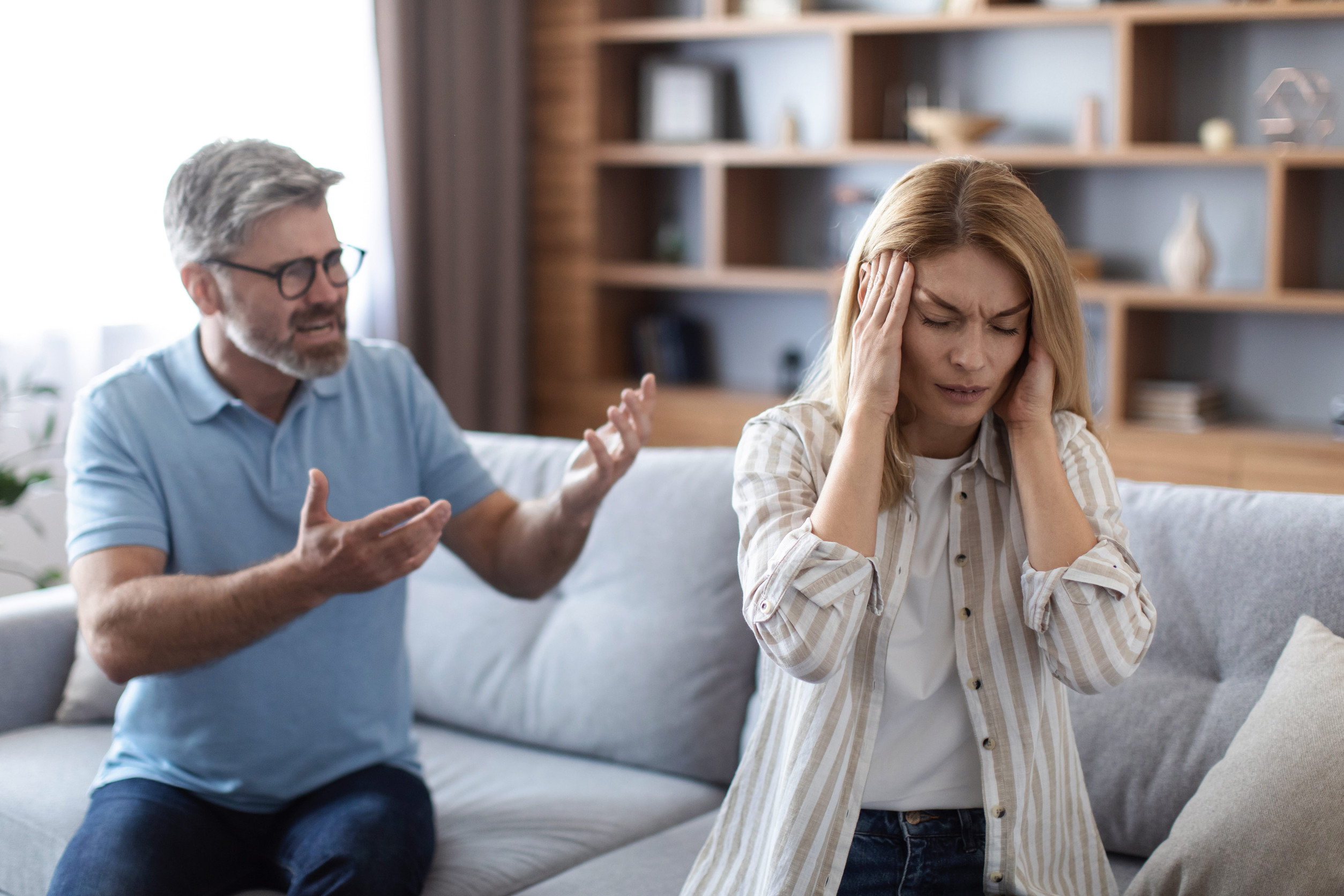
Imagine checking your husband’s mood before asking whether you can visit your sister. Sounds exhausting, right?
For some women, even ordinary conversations require careful planning. They rehearse their words, watch facial expressions, and choose the “perfect” moment to bring up a harmless request.
Research published in Psychological Bulletin found a positive association between narcissistic traits and aggression, particularly when people felt provoked.
That doesn’t mean every narcissistic person is aggressive. However, repeated angry or intimidating reactions can make a spouse afraid to speak freely.
The important difference? Choosing a convenient time for a difficult conversation is normal. Being frightened to express an ordinary opinion is not.
She Questions Her Own Memory and Judgment

“That never happened.”
“You’re remembering it wrong.”
“You’re always making things up.”
Hearing statements like these occasionally doesn’t automatically mean someone is being manipulated. We all remember things differently sometimes.
But when a husband repeatedly denies events and uses those disagreements to undermine his wife’s confidence, the situation becomes more concerning.
A 2023 study published in Personal Relationships examined experiences of gaslighting in romantic relationships. Participants described losing confidence in themselves and struggling to trust their perceptions.
Although the study wasn’t specifically about narcissistic husbands, it illustrates how repeated psychological manipulation can affect someone’s sense of reality.
Over time, a woman might start saving text messages simply to prove that conversations happened.
She Feels Lonely Even When Her Husband Is Home
There’s something particularly heartbreaking about sitting beside the person you married and feeling completely alone.
Maybe she shares exciting news, only for him to redirect the conversation toward himself. Or she admits she’s struggling, and he responds by explaining why his problems are worse.
Eventually, she stops sharing.
A study published in the Journal of Personality and Social Psychology found that narcissistic rivalry, involving antagonism and putting others down, was associated with long-term romantic relationship problems.
Emotional loneliness doesn’t automatically mean a spouse has narcissistic traits. Still, consistently dismissing a partner’s feelings can make genuine intimacy difficult.
A healthy relationship leaves room for both people to be heard.
She Feels Emotionally Drained Most of the Time
Marriage comes with responsibilities. Bills, children, careers, and household chores can exhaust almost anyone.
But imagine adding constant criticism, unpredictable arguments, and emotional tension to that already crowded schedule.
For some women, the relationship itself becomes another source of stress.
A study published in the Journal of Personality Disorders examined 683 partners and relatives of people perceived as having pathological narcissistic traits. Participants reported substantial emotional burdens and psychological distress.
The study involved a selected group, so its findings shouldn’t be generalized to all marriages involving narcissistic traits.
Still, persistent emotional exhaustion deserves attention, especially when interactions with a partner regularly leave someone distressed rather than supported.
She Slowly Stops Seeing Friends and Family
Remember when she used to organize weekend brunches, visit relatives, and enjoy spontaneous outings?
Now she rarely goes anywhere.
Sometimes, a smaller social circle happens naturally because of work, parenting, or changing priorities. Other times, a controlling partner makes maintaining friendships unnecessarily difficult.
Perhaps he complains whenever she visits family. Maybe he demands constant updates about her whereabouts or starts arguments before planned outings.
Research published in Personality and Mental Health in 2025 identified an association between entitlement-related rage and isolating forms of control.
The association does not establish that narcissism causes isolation in every relationship.
Nevertheless, a partner who repeatedly discourages outside relationships or punishes independent social activities is displaying concerning behavior, regardless of diagnosis.
She Apologizes for Things That Aren’t Her Fault
“I’m sorry I upset you.”
“I’m sorry I brought it up.”
“I’m sorry I made you angry.”
Apologizing is an important relationship skill. But what happens when one person is always apologizing while the other rarely accepts responsibility?
A wife might begin to believe that every argument, insult, or angry outburst resulted from something she did wrong.
Research involving people describing relationships with individuals perceived as highly narcissistic has documented patterns of self-blame and self-criticism.
Of course, these experiences aren’t exclusive to narcissistic relationships.
The practical distinction is simple: taking responsibility for your own mistakes is healthy. Accepting responsibility for someone else’s intimidation or mistreatment is not.
She No Longer Feels Free to Make Her Own Decisions
Think about the ordinary choices adults make every day: buying groceries, meeting friends, applying for jobs, or signing up for classes.
Now imagine having to defend every single decision.
In some controlling marriages, one spouse gradually gains authority over the other’s finances, movements, and personal goals.
She may stop pursuing opportunities because the arguments afterward simply aren’t worth it.
A systematic review published in Trauma, Violence, & Abuse found associations between coercive control and symptoms of depression and post-traumatic stress.
Importantly, this research concerned controlling behavior broadly, not narcissism specifically.
Shared budgeting and mutual compromises are normal parts of marriage. Intimidation, surveillance, and punishment for independent choices are different.
She Has Emotionally Checked Out of the Marriage
Sometimes, the most noticeable change isn’t another argument.
It’s the silence.
She no longer tries to explain why something hurts. She stops initiating meaningful conversations. She handles practical responsibilities but feels increasingly disconnected from her husband.
Psychological research suggests that narcissistic rivalry is associated with lower relationship satisfaction.
A 2026 longitudinal study involving 5,869 romantic couples found that intense rivalry was linked to lower satisfaction, although it did not establish that relationships inevitably deteriorate faster over time.
Other research on newlyweds has found mixed results regarding husbands’ narcissistic traits and marital quality.
In other words, emotional withdrawal isn’t proof of narcissism. It may reflect unresolved conflict, disappointment, exhaustion, or other relationship difficulties.
But when a woman stops expecting kindness, understanding, or change, something important in the marriage may need attention.
What These Signs Really Mean for a Marriage
Having a difficult husband doesn’t automatically mean he’s a narcissist. Likewise, feeling unhappy in marriage doesn’t necessarily mean someone is experiencing emotional abuse.
The real concern is a repeated pattern of disrespect, intimidation, manipulation, or control that leaves one partner feeling increasingly powerless.
If these experiences sound familiar, consider discussing them with a trusted friend, qualified counselor, or relationship-support professional. When intimidation or coercive control is present, individual support and safety planning may be more appropriate than couples counseling.
Marriage should involve compromise, but compromise shouldn’t require someone to surrender their independence, relationships, or peace of mind.
The question isn’t simply whether a husband has narcissistic traits. It’s whether both partners feel respected, emotionally supported, and free to be themselves.