You probably don’t expect to find plastic in your dinner. After all, nobody orders a side of microscopic plastic particles with their chicken nuggets or sprinkles them over their morning cereal. Yet scientists have discovered tiny plastic particles in some surprisingly ordinary foods.
These particles, known as microplastics, are generally smaller than five millimeters. They can enter food through environmental pollution, processing equipment, packaging, and everyday handling.
A 2024 study published in Environmental Pollution examined 111 samples of commonly consumed protein products and found suspected plastic-containing particles in 88%. However, the researchers used a broad definition that included certain fibers containing synthetic additives.
Before you start throwing everything out of your kitchen, remember that detecting microplastics doesn’t automatically mean a food is dangerous. Scientists are still investigating what these particles mean for human health.
Here are ten everyday foods and drinks that researchers have examined.
Bottled Water

You might think bottled water is the cleaner choice, but plastic particles have been detected in some popular bottled-water products.
A 2024 study published in the Proceedings of the National Academy of Sciences estimated an average of approximately 240,000 microplastic and nanoplastic particles per liter across three bottled-water brands.
Most of those particles were extremely small nanoplastics. The study attracted considerable attention, though researchers have raised questions about its testing methods.
If you want to reduce unnecessary plastic contact, consider using a reusable glass or stainless-steel water bottle. Remember that packaging alone doesn’t determine how many particles water contains.
Chicken Nuggets
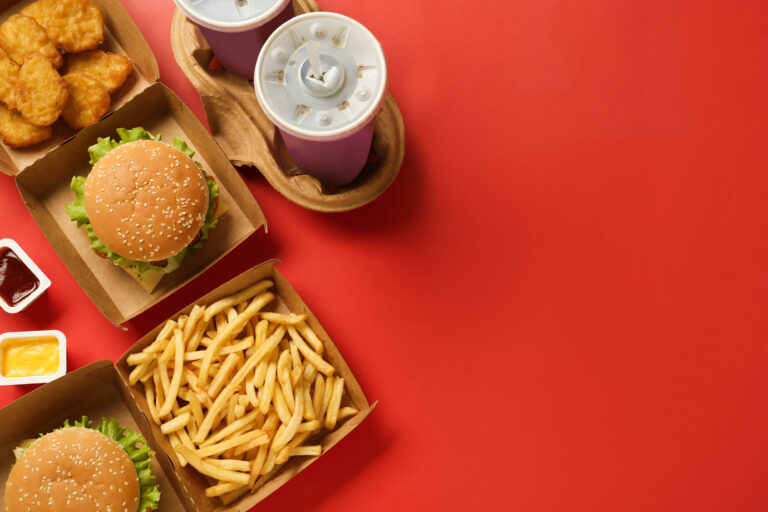
Chicken nuggets might be convenient, delicious, and perfect for a quick dinner, but researchers have found something unexpected in some samples.
In a study examining commonly consumed proteins, chicken nuggets contained significantly higher concentrations of suspected plastic-associated particles than plain chicken breasts.
Researchers suggested that additional processing stages might contribute to contamination. However, they couldn’t identify exactly where the particles entered the food.
This doesn’t mean you need to give up nuggets forever. It simply highlights how complicated modern food production can be.
Rice
Rice is a pantry staple in millions of homes. Whether you prefer fluffy white rice, brown rice, or instant rice, scientists have investigated plastic contamination in this everyday ingredient.
A 2021 Australian study detected plastic polymers in supermarket rice products. Interestingly, instant rice showed approximately four times the polymer levels measured in uncooked rice.
The researchers also found that washing rice reduced the measured polymer contamination.
The study measured plastic mass rather than counting individual microplastic particles, so its findings shouldn’t be interpreted as a precise particle count.
A practical takeaway? Rinse rice when the product and cooking instructions call for it.
Sea Salt
Salt makes almost everything taste better, from roasted potatoes to homemade popcorn. Unfortunately, researchers have also found microplastics in some commercial salt products.
A 2018 investigation examined 39 salt brands from 21 countries and regions. Scientists detected microplastics in 36 of those brands.
Sea salt generally showed greater contamination in that investigation, although individual results varied considerably.
Does that mean expensive Himalayan salt is automatically better? Not necessarily. Researchers also found particles in some rock salt products.
The lesson is simple: a fancy label or premium price doesn’t guarantee that a product is free from microscopic contamination.
Shrimp
Shrimp lovers might find this one surprising.
Researchers studying American-market protein products detected suspected plastic-containing particles in shrimp samples, including both unbreaded and breaded varieties.
Breaded shrimp had the highest average particle concentration among the products examined in that particular study.
However, that doesn’t prove the breading caused the contamination. Environmental exposure, processing equipment, and handling could all contribute.
There’s no reason to abandon your favorite seafood dish based on these findings alone. The research demonstrates that contamination can occur at several stages before food reaches your plate.
Milk
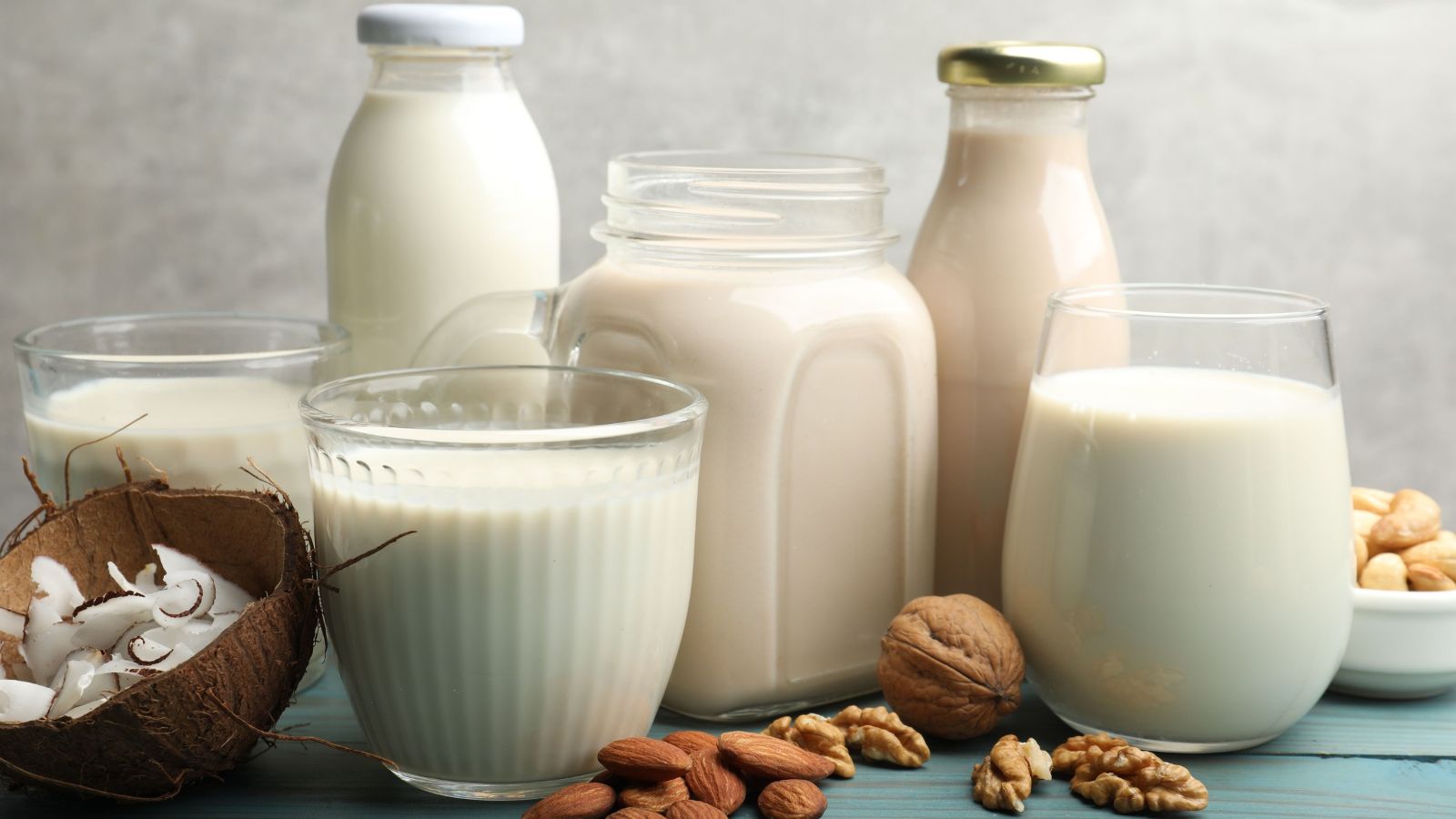
Milk looks pretty simple in a glass, doesn’t it? Yet researchers have detected microplastics in commercial milk samples.
A 2020 study examined 23 samples from eight milk brands in Mexico and reported an average concentration of approximately 6.5 particles per liter.
Some identified polymers are used in dairy filtration membranes, suggesting that processing equipment could be one possible contamination source.
However, researchers didn’t conclusively trace every particle to its origin.
The findings don’t mean that every carton of milk contains the same amount of plastic. They show why scientists are interested in examining the entire food production process.
Apples
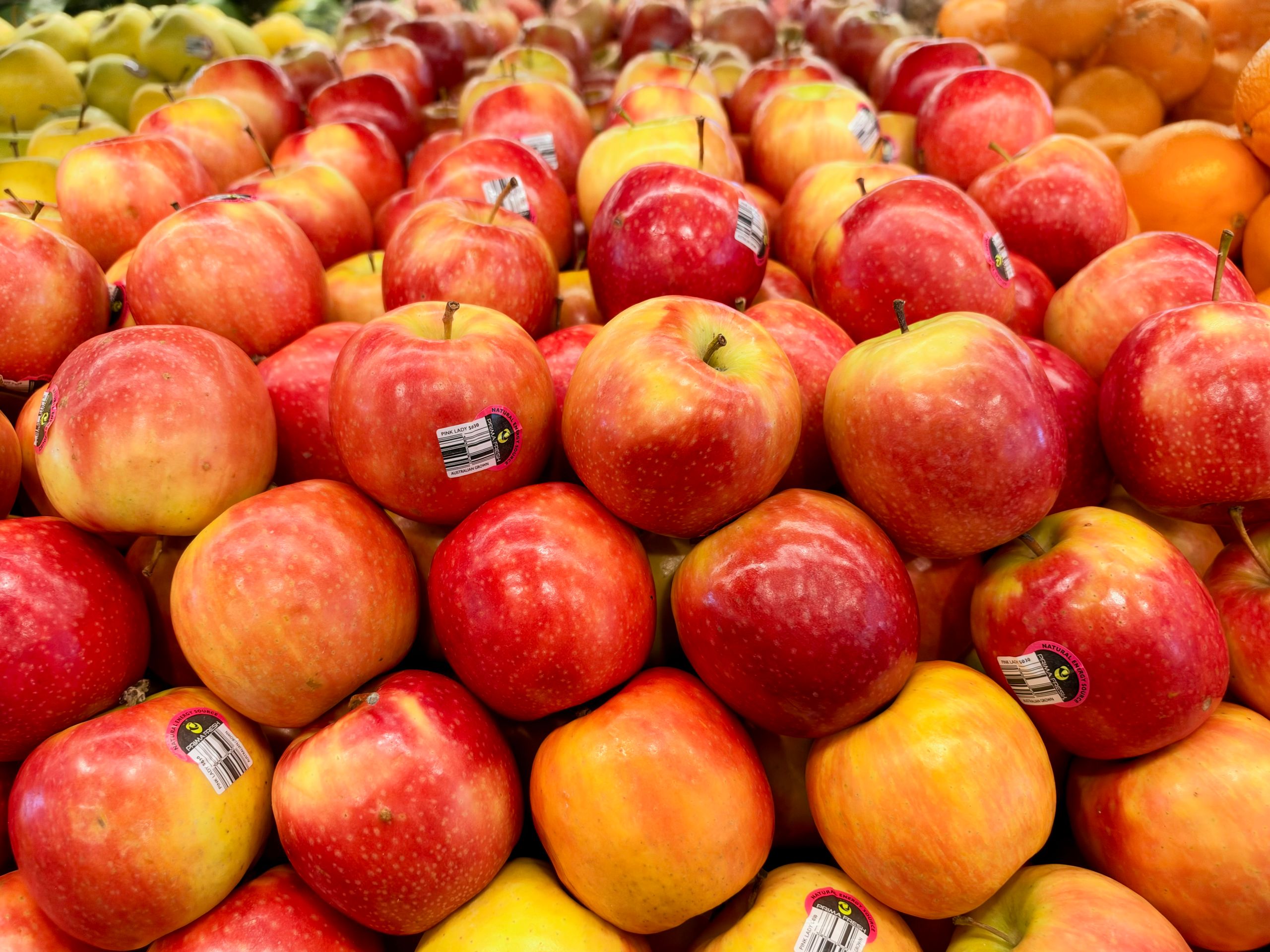
An apple a day might be a familiar saying, but scientists are now examining what else may accompany our favorite fruits.
A 2023 study conducted in Turkey investigated microplastic contamination in commonly consumed fruits and vegetables.
Researchers reported suspected plastic particles in apple samples, even after the produce underwent preparation for laboratory testing.
Possible contamination sources include agricultural materials, storage containers, transportation, and handling.
Importantly, the results don’t prove that plastic particles grew inside the fruit. The study involved a limited number of samples, so it cannot represent every apple sold worldwide.
Keep enjoying your apples. Researchers haven’t established that these findings are a reason to stop eating fruit.
Sugar
That spoonful of sugar in your morning tea might contain more than sweetness.
Researchers examining commercial sugar brands in Iran detected suspected microplastic particles and identified polymers including polyethylene and polypropylene.
Interestingly, the reported particle counts varied depending on the laboratory method used.
This matters because scientists don’t always measure microscopic contamination in the same way.
Sugar can encounter various materials during manufacturing, packaging, and transportation, but researchers haven’t identified a single universal contamination source.
The findings remind us that even dry pantry staples can be exposed to environmental particles.
Mussels
Mussels are particularly interesting in microplastic research because they filter water while feeding.
As they draw water through their bodies, they can encounter particles floating in their surroundings.
A 2023 Italian study examined 13 retail lots of mussels and detected microplastics in every lot tested.
Researchers reported an average concentration of approximately 1.59 particles per gram, although individual results varied.
Because mussels are generally eaten with their digestive tissues intact, scientists pay particular attention to potential particle exposure through these shellfish.
That doesn’t make mussels automatically dangerous. It simply explains why they frequently appear in studies investigating pollution in seafood.
Tea Made With Plastic Tea Bags
Your relaxing afternoon tea might have an unexpected connection to plastic pollution.
Researchers have investigated how plastic tea bags interact with hot water and found particles associated with certain products.
An earlier experiment suggested enormous particle releases, but subsequent research challenged those estimates and reported much smaller numbers.
The key distinction is that not every detected particle was necessarily created by heat. Some may have already been present on tea-bag surfaces.
If you want to avoid this particular source of plastic contact, loose-leaf tea and a nonplastic strainer offer a straightforward alternative.
You can still enjoy your favorite tea without turning your afternoon break into a science experiment.
What Can You Do About Microplastics in Food?
The idea of microscopic plastic particles appearing in everyday groceries certainly isn’t appealing. But there’s an important difference between detecting contamination and proving that it causes harm.
The U.S. Food and Drug Administration has said current scientific evidence does not show that the levels of microplastics and nanoplastics detected in food pose a risk to human health.
Researchers are still studying how exposure varies, what happens to particles after ingestion, and whether long-term exposure affects people.
In the meantime, simple choices may help reduce certain opportunities for plastic contact. Consider reheating food in suitable glass or ceramic containers, avoiding unnecessary prolonged contact between very hot food and plastic, and using nonplastic kitchen tools when practical.
These habits aren’t guaranteed to eliminate microplastics, and scientists haven’t established that they prevent disease.
The bottom line? Plastic contamination is a growing area of food research, but it isn’t a reason to fear everything on your grocery list. Enjoy your meals, make sensible choices where possible, and remember that a balanced perspective is far more useful than panic.