Your living room is often the first place guests see when they enter your home. It’s where family members gather, friends sit down for conversations, and visitors get a glimpse of your personality and lifestyle. Naturally, you want the space to feel comfortable, welcoming, and well put together.
But sometimes, even a beautifully furnished living room can look cluttered or uncomfortable because of a few things that don’t belong there.
The problem isn’t necessarily expensive furniture or outdated decorations. It could be an overflowing laundry basket, personal documents scattered across the coffee table, or an old collection of items that has slowly taken over the space.
You don’t need to turn your living room into a showroom or spend a fortune redecorating. Sometimes, removing a few misplaced items can make the entire room feel more organized.
Here are 10 things that have no business being on display in your living room.
Dirty Laundry Waiting to Be Washed
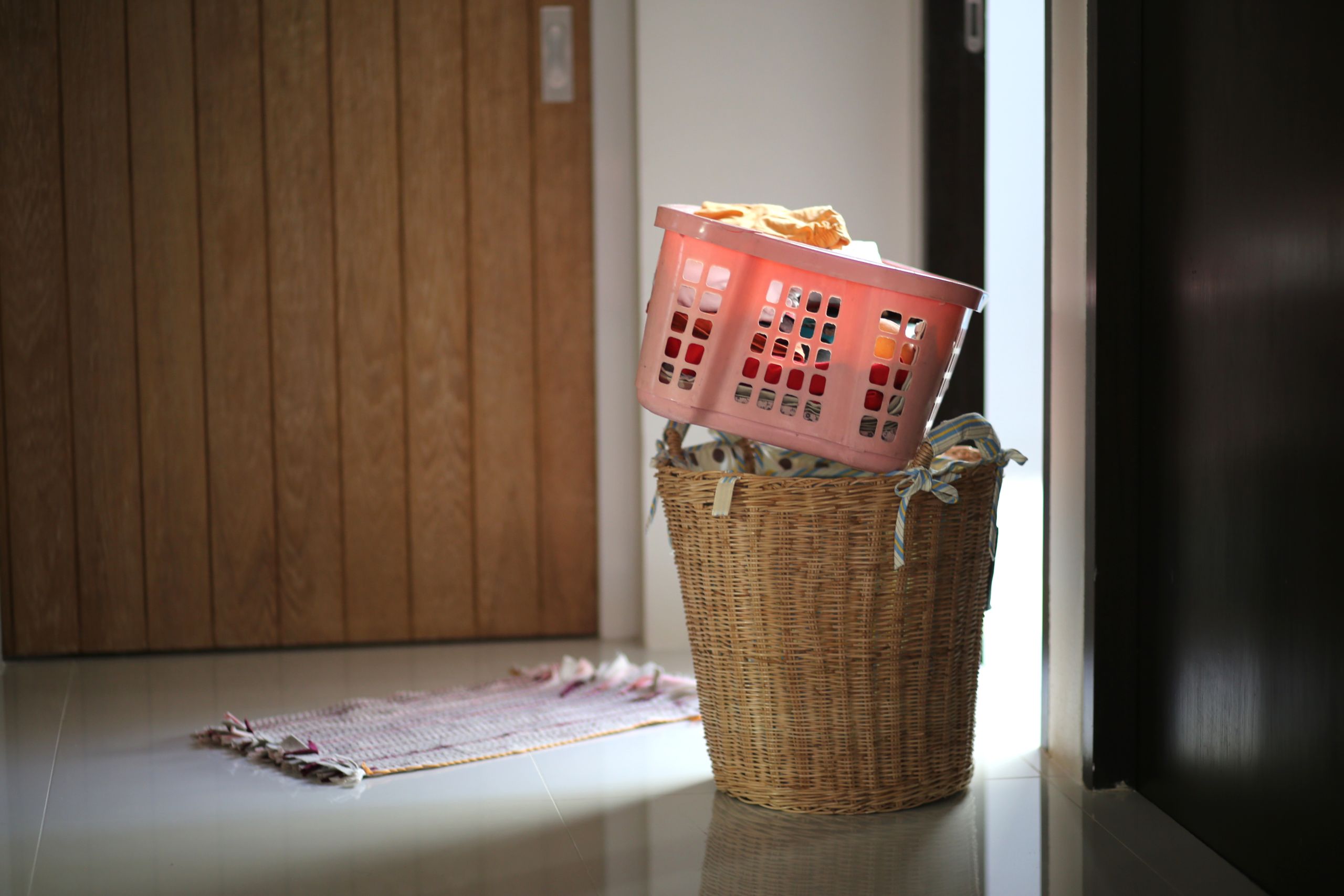
A laundry basket full of clothes might be perfectly normal in a bedroom or laundry area, but leaving it in the living room is another story.
Perhaps you brought it downstairs intending to sort everything later. Maybe you were folding clothes while watching television and never got around to putting them away.
Whatever the reason, piles of dirty clothes can quickly make an otherwise attractive living room look messy.
The problem becomes even more noticeable when guests arrive unexpectedly. Instead of enjoying the comfortable atmosphere, you may find yourself apologizing for the laundry sitting beside the couch.
Make it a habit to move dirty clothes directly to the laundry area. If you regularly fold clothes in the living room, put them away once you’re finished.
Your living room should be a place to relax, not an extension of your laundry room.
Shoes Scattered Across the Floor
Taking off your shoes when entering the house is a common habit in many households. However, that doesn’t mean the living room should become the family’s unofficial shoe storage area.
Sneakers beside the television stand, sandals underneath the coffee table, and work shoes near the sofa can make the space look disorganized.
Shoes also tend to bring dirt and outdoor debris into areas where people sit, relax, and sometimes play with children.
A simple shoe rack near the entrance can solve much of this problem. You could also use a small storage bench with compartments to keep footwear out of sight.
Keep only the footwear you’re currently using near the entrance. Store everything else in a proper location.
Personal Documents and Financial Paperwork
Your living room coffee table might seem like a convenient place to leave paperwork temporarily.
However, receipts, bank statements, insurance documents, bills, and other personal records can quickly accumulate.
Apart from making the room look untidy, displaying sensitive paperwork can expose information you would probably prefer to keep private.
Imagine inviting visitors over and realizing that your bank statement or personal correspondence is sitting right in front of them.
Instead of using the living room as a filing station, create a designated space for paperwork.
A small home office drawer, filing cabinet, or labeled storage box can keep important documents organized.
If you need to review bills or complete paperwork in the living room, simply put everything away when you’re finished.
Empty Food Containers and Used Dishes
One of the quickest ways to make a living room look neglected is to leave used plates, takeaway containers, and drinking glasses scattered around.
It often starts innocently. Someone eats dinner while watching television, another person brings snacks to the couch, and before long, the coffee table looks like a dining area after a busy party.
Leaving food containers around also creates unnecessary cleaning work and can attract unwanted pests.
Make it a household rule to return dishes to the kitchen after eating. If you have children, encourage them to take their cups and snack plates with them when they leave the room.
A living room can absolutely be a place to enjoy meals occasionally. The key is not to let used dishes become permanent decorations.
Too Many Family Photographs and Random Decorations
Family photographs can make a house feel personal and welcoming. There’s nothing wrong with displaying memories of weddings, birthdays, vacations, and special occasions.
The problem begins when every available surface becomes a display area.
When picture frames, souvenirs, artificial flowers, decorative bowls, and small ornaments compete for attention, the room can start feeling crowded.
Instead of displaying everything you own, select a few meaningful pieces.
You can also rotate photographs and seasonal decorations throughout the year.
Remember, decorating is not about filling every space. Sometimes, letting furniture and walls breathe makes a room look much better.
Cleaning Supplies and Household Chemicals
A bottle of floor cleaner beside the sofa or a collection of cleaning sprays underneath the television can make your living room look more like a utility area.
Cleaning products are useful, but most don’t need to be visible when the room is being used by family members and visitors.
Store them in an appropriate area, preferably in their original containers and according to the label instructions.
This is especially important in homes with young children or pets. Store household cleaning products securely and keep them out of reach.
If you regularly clean the living room, use a small cleaning caddy you can return to a designated storage location afterward.
Your guests don’t need a reminder of every household chore waiting to be completed.
Broken Electronics and Tangled Charging Cables
Old remote controls, unused phones, broken headphones, damaged chargers, and tangled cables can quietly take over a living room.
Many people keep these things because they might become useful someday.
Unfortunately, that someday often never arrives.
A television stand covered with miscellaneous electronics can make even expensive furniture look cluttered.
Start by identifying which devices you actually use. Keep their chargers neatly organized and remove damaged or unnecessary accessories.
Cable organizers, storage boxes, and small baskets can help manage the items that genuinely belong in the room.
If something has been broken for months and you have no intention of repairing it, consider recycling or disposing of it responsibly.
A cleaner entertainment area can make the entire room feel more intentional.
Excessive Personal Grooming Products
Hairbrushes, combs, nail clippers, makeup bags, shaving equipment, and skincare containers are everyday household items.
However, leaving them all on the living room coffee table or sideboard can make the space look like a personal dressing station.
Perhaps someone was getting ready in a hurry and left everything behind. Maybe the living room has become the most convenient place to do makeup.
Whatever the reason, these products generally look better when stored together in a bedroom or bathroom.
If you occasionally get ready in the living room, use a small portable organizer and return it to its proper location afterward.
A few intentional decorations will usually make a better impression than an assortment of personal grooming products.
Large Cardboard Boxes and Shopping Bags
It’s tempting to leave delivery boxes and shopping bags in the living room after unpacking.
You might intend to reuse them, return an item, or take everything outside later.
But when several boxes begin accumulating beside the couch, the room can quickly resemble a storage facility.
Large packages also take up valuable floor space and can make it harder for people to move around comfortably.
Break down recyclable cardboard as soon as possible, and move reusable bags into a designated storage area.
If you’re keeping a box because you might return an item, place it somewhere appropriate rather than leaving it in the middle of the room.
The goal is to keep everyday living areas functional, not to let temporary storage become permanent.
Trash Cans Without Lids or Overflowing Waste
A small wastebasket can be useful in a living room, especially when people regularly enjoy snacks or spend long periods watching television.
However, an overflowing bin filled with food wrappers, used tissues, and other rubbish is unlikely to improve the room’s appearance.
A container without a lid can also leave waste visible to everyone who enters.
Choose a discreet wastebasket that complements your furniture and empty it regularly.
If the living room doesn’t generate much waste, consider keeping the bin in a less visible corner.
It’s a simple detail, but maintaining a clean wastebasket helps preserve the overall appearance of the space.