Before grocery stores filled their shelves with individually packaged snack boxes, many children came home from school to whatever was available in the kitchen. Sometimes it was a sandwich, sometimes a piece of fruit, and occasionally something warm prepared by a parent or grandparent.
Those snacks weren’t always healthy or elaborate. Their appeal often came from convenience, affordability, and the comfort of eating something familiar after a long school day. Here are eight childhood snacks that bring back memories of earlier American households.
1. Peanut Butter and Jelly Sandwiches
Peanut butter and jelly sandwiches were practical because they required no cooking and used familiar pantry ingredients. Bread, peanut butter, and jam or jelly could become a filling snack in minutes.
Some children preferred grape jelly, while others wanted strawberry. The amount of peanut butter could also inspire strong opinions, particularly when the sandwich became difficult to swallow without a drink.
The combination became closely associated with American school lunches, but it was equally useful after school. A look at the classic peanut butter and jelly sandwich shows how the simple meal remained popular through changing generations.
2. Apples With Peanut Butter
Sliced apples and peanut butter offered a combination of sweetness, crunch, and a creamy texture. The snack required little preparation beyond washing and slicing the fruit.
Some families served the apple whole and placed peanut butter in a small bowl. Others spread it directly onto each slice.
It remains a convenient option today, though peanut allergies require appropriate precautions. The simplicity helps explain why the snack has survived changing food trends.
3. Cheese and Crackers
Cheese and crackers were familiar because both ingredients could be kept readily available. Families used ordinary sliced cheese, block cheese, or spreadable varieties depending on their preferences.
Some children assembled small cracker sandwiches. Others ate the ingredients separately, sometimes adding pickles or fruit.
Packaged cheese-and-cracker snacks later became common, but homemade versions remained easy to prepare. They allowed families to choose ingredients and portions without purchasing special snack kits.
4. Homemade Popcorn
Before microwave popcorn became a household convenience, families frequently prepared popcorn on the stovetop or in dedicated poppers. Kernels were heated with oil or hot air until they expanded.
The preparation was part of the experience because children could hear the popping and smell the popcorn cooking. Butter and salt were familiar toppings.
Popcorn could be shared among several children without requiring individual packages. It also became closely associated with television watching and family movie nights.
5. Cinnamon Toast
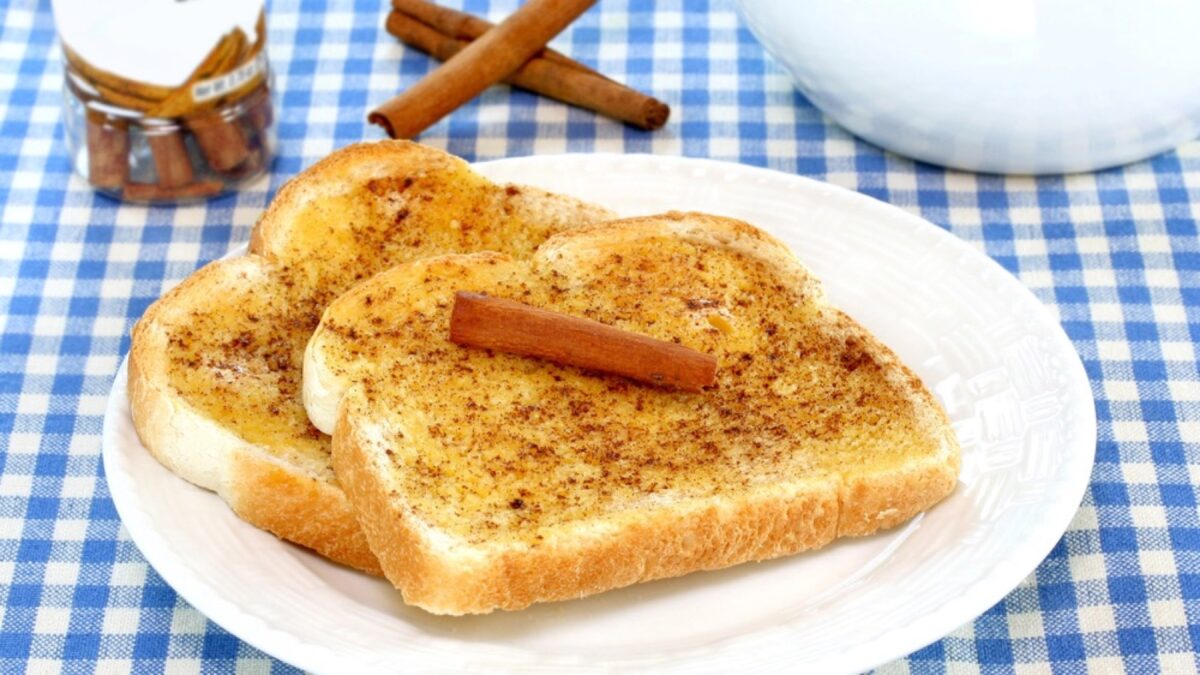
Cinnamon toast required little more than bread, butter, cinnamon, and sugar. Some families toasted the bread first, while others spread the topping before heating it.
The warm, sweet flavor made it appealing after school or on weekend mornings. It also offered an inexpensive alternative to packaged pastries.
Today, cinnamon toast can still be made in a toaster oven or conventional oven. Its simplicity is part of what makes the snack memorable.
6. Celery With Peanut Butter
Celery sticks filled with peanut butter offered another familiar snack. Some versions included raisins arranged along the peanut butter, creating the playful preparation known as ants on a log.
The combination offered a crunchy vegetable with a creamy filling. Its unusual appearance also made it attractive to children.
Families could adjust the toppings or use a different spread when appropriate. Peanut allergies remain an important consideration, especially when serving children outside the household.
7. Homemade Rice Krispies Treats
Rice Krispies Treats combined crisp rice cereal, marshmallows, and butter into a sweet snack. The mixture was pressed into a pan and cut into squares after cooling.
The recipe became popular because it required relatively few ingredients and little complicated preparation. Children could also help with age-appropriate steps.
Packaged versions eventually made the snack even more convenient. But homemade squares retained the appeal of being prepared fresh in the family kitchen.
8. Graham Crackers and Milk
Graham crackers were useful because they could be eaten directly from the package. Some children dipped them into milk, while others spread them with peanut butter or another topping.
Their mild sweetness made them suitable for a quick snack without preparing a full meal. Families often kept a box in the pantry for school lunches and afternoon hunger.
Modern supermarkets offer many packaged alternatives, but graham crackers remain recognizable. Their appeal comes partly from how little effort they require.
Why These Snacks Are Still Worth Remembering
Earlier generations didn’t necessarily have fewer snack choices, but their shopping habits and available products differed. Home-prepared snacks often relied on ingredients already present in the kitchen.
The growth of packaged convenience foods changed those habits over time. The Smithsonian’s food history research documents how packaging and convenience influenced American food purchasing.
Many of these snacks remain easy to prepare, and several can be adjusted to suit modern preferences. They also provide alternatives to buying another individual snack package every time someone feels hungry.
For people who grew up eating them, the memory often involves more than the food. It’s the familiar kitchen, the sound of the school bus leaving, and the relief of finally being home.