Grandma didn’t always need a refrigerator full of expensive ingredients to prepare dinner. In many households, she knew how to turn yesterday’s meal into something completely different, often without following a written recipe.
Those habits developed when households needed to make food stretch further. Some practices involved using inexpensive ingredients, while others focused on avoiding unnecessary waste.
Modern kitchens have better appliances and more food choices, but several of Grandma’s habits remain practical. Here are nine worth reconsidering.
1. Turning Stale Bread Into Breadcrumbs
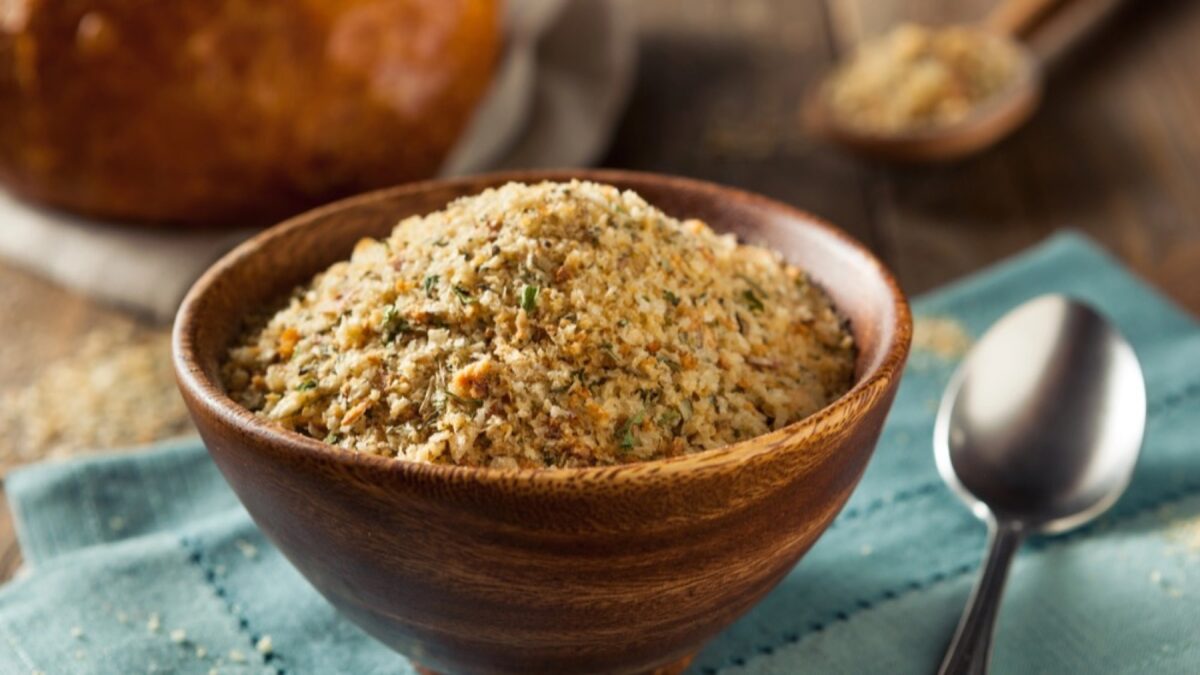
Bread that had become dry didn’t necessarily belong in the garbage. Grandma might allow it to dry further before crushing or grating it into breadcrumbs.
Those crumbs could coat chicken, thicken meatloaf, or add texture to casseroles. Some families seasoned their breadcrumbs with herbs and stored them for later cooking.
This works with bread that has become stale but remains safe to eat. Moldy bread should be discarded rather than trimmed because mold can extend beyond the visible spots.
2. Making Bread Pudding
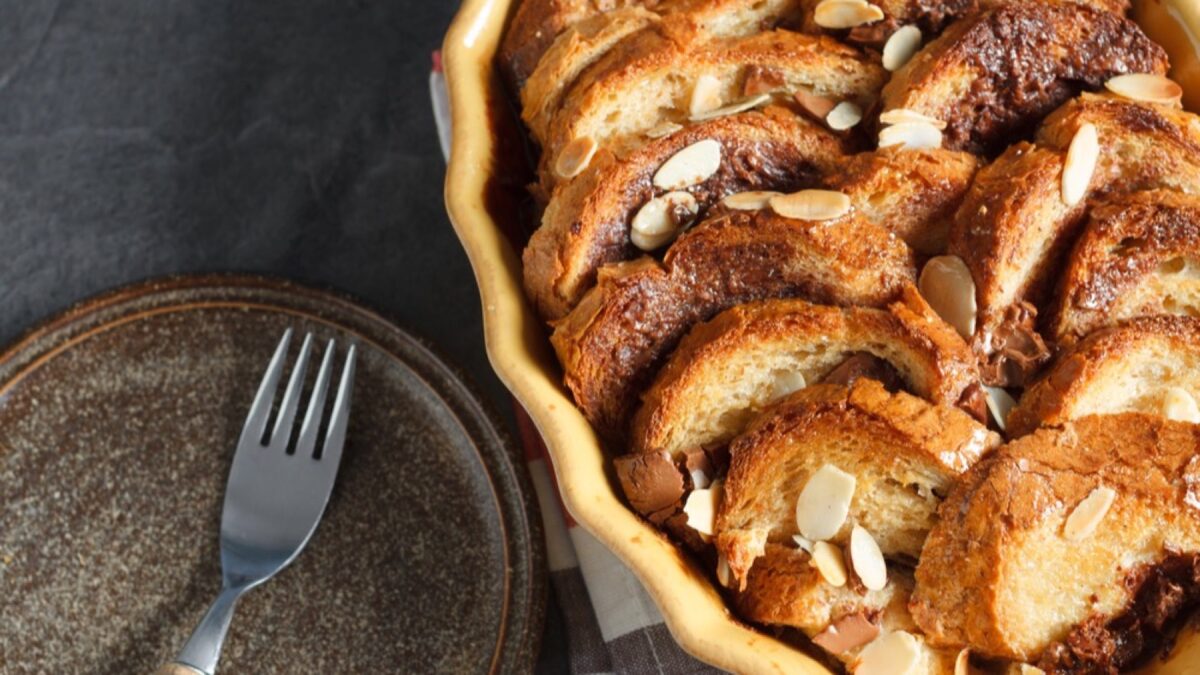
Bread pudding offered another way to use leftover bread. The pieces were combined with milk, eggs, sugar, and seasonings before being baked into a soft dessert.
Some recipes included raisins, cinnamon, or a sweet sauce. Others relied on whatever ingredients were already available.
The finished dish could be served warm or chilled, making it suitable for different occasions. It also demonstrates how a household staple could become something enjoyable instead of being wasted.
3. Saving Vegetable Scraps for Stock
Onion ends, carrot peelings, celery leaves, and other clean vegetable trimmings can contribute flavor to homemade stock. Instead of discarding every usable part, some cooks collected suitable scraps during meal preparation.
Those ingredients could be simmered in water to produce a base for soup or sauce. The method required little additional spending because the vegetables had already been purchased.
Scraps should be washed, inspected, and stored safely. Spoiled vegetables, moldy pieces, and unsuitable plant parts don’t belong in stock.
4. Using Leftover Roast for Sandwiches
A large Sunday roast often provided more than one meal. Thin slices of leftover beef, chicken, or pork could become sandwiches the following day.
Some families served the meat cold with mustard or mayonnaise. Others reheated it with gravy for a warm sandwich filling.
This approach was particularly useful for busy households because the main ingredient had already been cooked. Proper refrigeration and reheating helped keep the leftovers suitable for another meal.
5. Transforming Mashed Potatoes Into Patties
Leftover mashed potatoes could be mixed with eggs, flour, seasonings, or chopped vegetables. The mixture was then shaped into small patties and cooked in a skillet.
The result had a crisp exterior and soft center, giving the potatoes a different texture. Some families served the patties alongside breakfast, while others treated them as a side dish.
Using leftovers this way provided variety without purchasing additional potatoes. It also helped avoid the unappealing texture that refrigerated mashed potatoes sometimes develop.
6. Turning Bones Into Broth
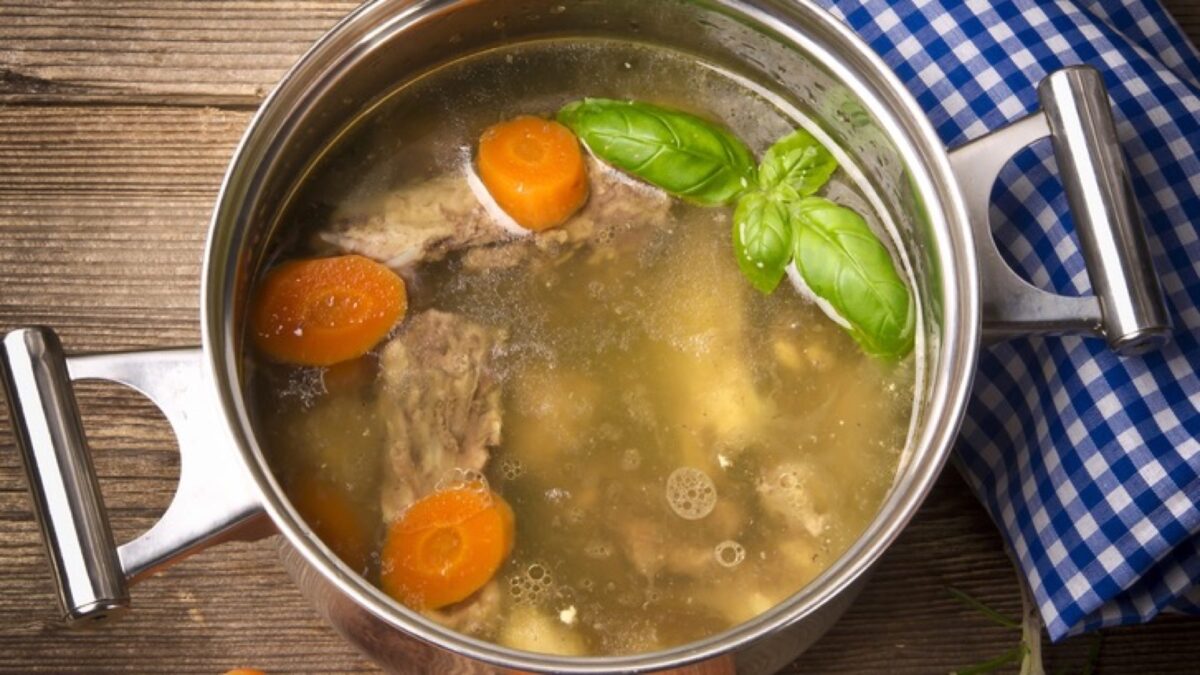
Chicken carcasses and meat bones could be simmered with vegetables and seasonings to make broth. The process extracted flavor from ingredients that might otherwise have been discarded.
The resulting liquid could be used for soup, rice, gravy, or stews. Families often adapted the ingredients based on what was already in the kitchen.
This remains useful today, although homemade broth isn’t necessarily cheaper when cooking energy and additional ingredients are considered. It works best when using bones and scraps already available.
7. Reusing Small Portions of Vegetables
A spoonful of cooked peas or carrots might seem too small to serve as another side dish. But combined with other ingredients, those vegetables could become useful again.
Grandma might add them to soup, fried rice, a casserole, or an omelet. Small portions accumulated into a meal that required fewer new ingredients.
Many old-fashioned recipes relied on this flexible approach to household cooking. Rather than requiring exact ingredients every time, cooks worked with what they had.
8. Freezing Food for Another Day
As home freezers became more common, families gained another way to preserve cooked food. Soup, meat, vegetables, and baked goods could be stored for future meals.
Freezing smaller portions made reheating more convenient. Labeling containers helped prevent forgotten food from remaining in the freezer indefinitely.
The USDA advises refrigerating or freezing leftovers promptly, rather than leaving them at room temperature. Large quantities should be divided into shallow containers to cool more quickly.
9. Making Soup From Several Leftovers
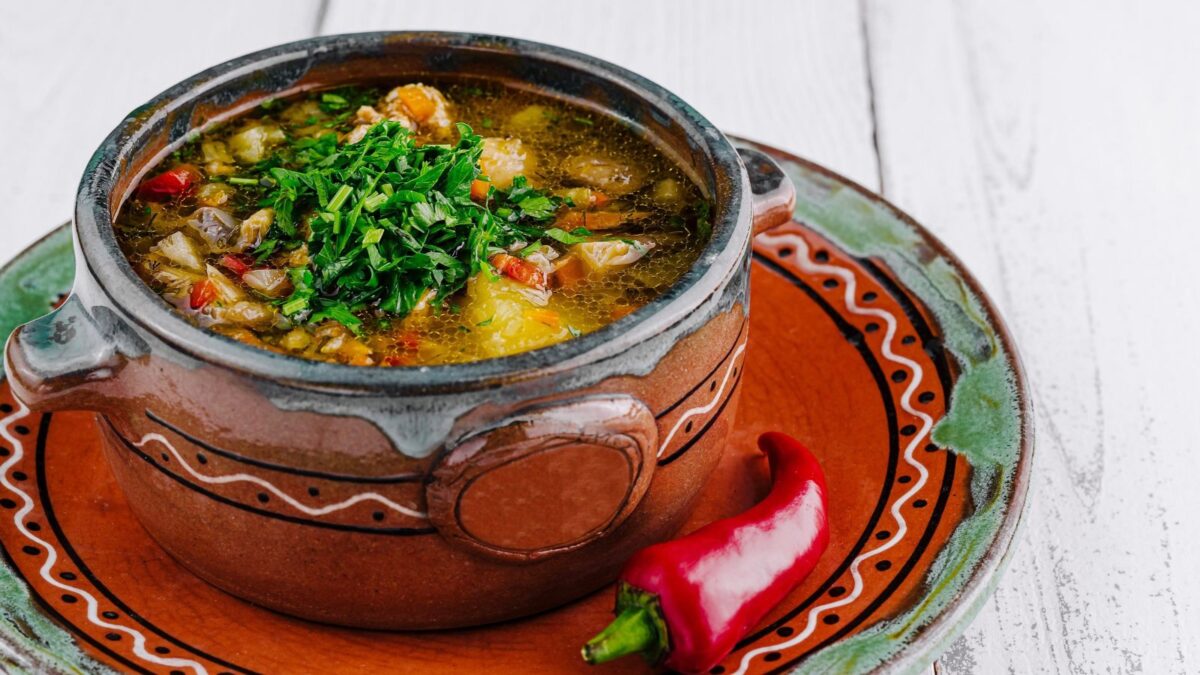
One of the simplest traditional habits involved combining suitable leftovers into a pot of soup. Cooked vegetables, broth, meat, beans, and seasonings could create something different from the original meals.
A small amount of chicken might provide flavor, while potatoes or beans made the soup more filling. The result often fed several people without another major grocery purchase.
The key was understanding which ingredients worked together. Not every leftover belongs in soup, but many familiar combinations can produce satisfying results.
Why These Habits Still Work
Reducing food waste doesn’t mean eating questionable leftovers or keeping food beyond safe storage limits. It means planning purchases, storing ingredients properly, and finding sensible uses for food that remains safe.
Grandma’s methods were often practical responses to household budgets and limited resources. Some can still help modern families spend less without giving up variety.
The most useful lesson is to look at what remains in the refrigerator before deciding what to buy next. Sometimes, the foundation of tomorrow’s meal is already there.