Imagine arriving at a dinner party in 1955 and discovering a beautifully decorated cake that turns out to be a sandwich. Nearby, a shimmering gelatin mold contains vegetables, seafood, and perhaps even hard-boiled eggs.
Mid-century American entertaining could be surprisingly adventurous. Refrigeration, packaged ingredients, and elaborate magazine recipes encouraged home cooks to experiment with combinations that seem unusual today.
The Smithsonian’s food history collection documents the influence of convenience cooking and elaborate presentation during the era. These eight dishes reveal just how creative some hosts became.
1. Frosted Sandwich Loaf
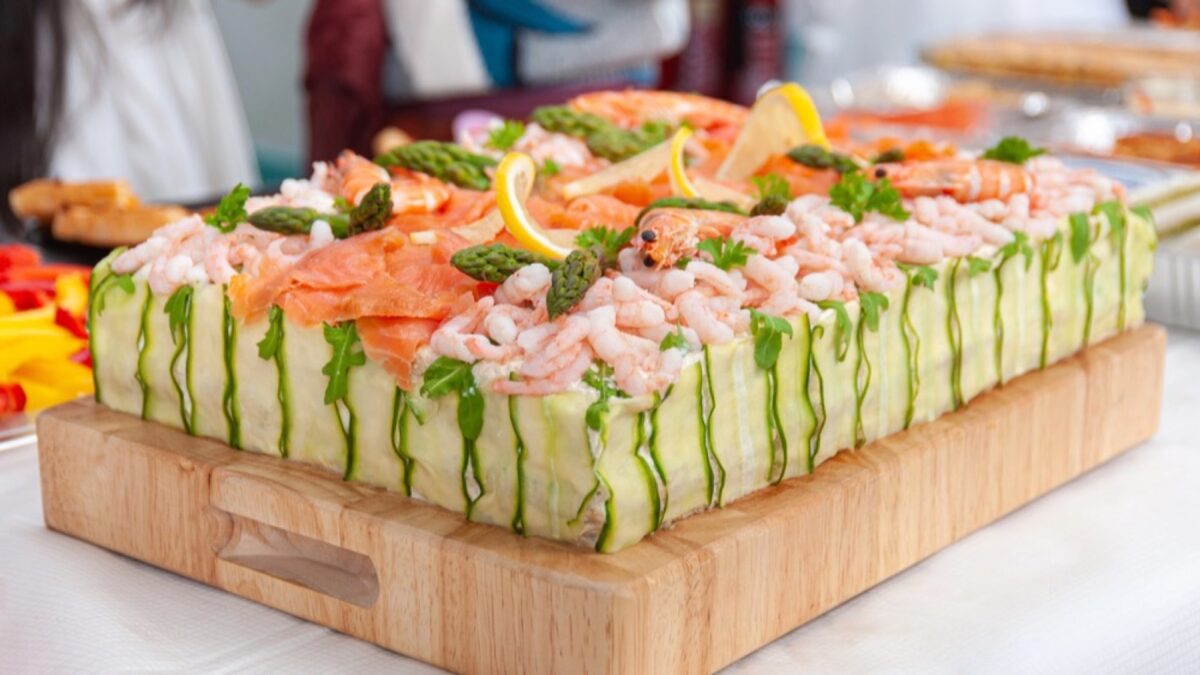
From across the room, a frosted sandwich loaf could easily be mistaken for a birthday cake. Cutting into it revealed layers of bread filled with chicken salad, egg salad, ham spread, or other savory mixtures.
The exterior was often covered with cream cheese and decorated with olives, sliced vegetables, and herbs. It looked impressive on a buffet table, although the combination of creamy fillings and multiple bread layers could be surprisingly heavy.
2. Tomato Aspic
Tomato aspic turned seasoned tomato juice into a cold, firm gelatin mold. Recipes sometimes included celery, olives, peppers, or other vegetables suspended throughout the mixture.
The finished dish was frequently served on lettuce with mayonnaise or another dressing. Its bright red appearance made it attractive for entertaining, but modern diners may find the idea of solidified tomato juice unusual.
3. Jellied Seafood Salad
Seafood and gelatin were combined in some mid-century recipes to create molded salads. Shrimp, crab, and other seafood could appear alongside vegetables inside a savory gelatin mixture.
These dishes were often carefully arranged so the ingredients remained visible through the mold. The result could look impressive, although the cold, trembling texture was very different from how most people expect seafood to be served today.
Some of these combinations survived beyond the 1950s. A look at bizarre 1960s food trends shows how molded seafood salads and other elaborate dishes continued appearing in American food culture.
4. Candle Salad
Candle salad was a peculiar fruit arrangement designed to resemble a burning candle. A banana half stood upright inside a pineapple ring, with a cherry representing the flame.
Some versions included lettuce, mayonnaise, or whipped cream as part of the presentation. Although the dish originated before the 1950s, it remained part of the unusual food culture reflected in older American recipe collections.
5. Perfection Salad
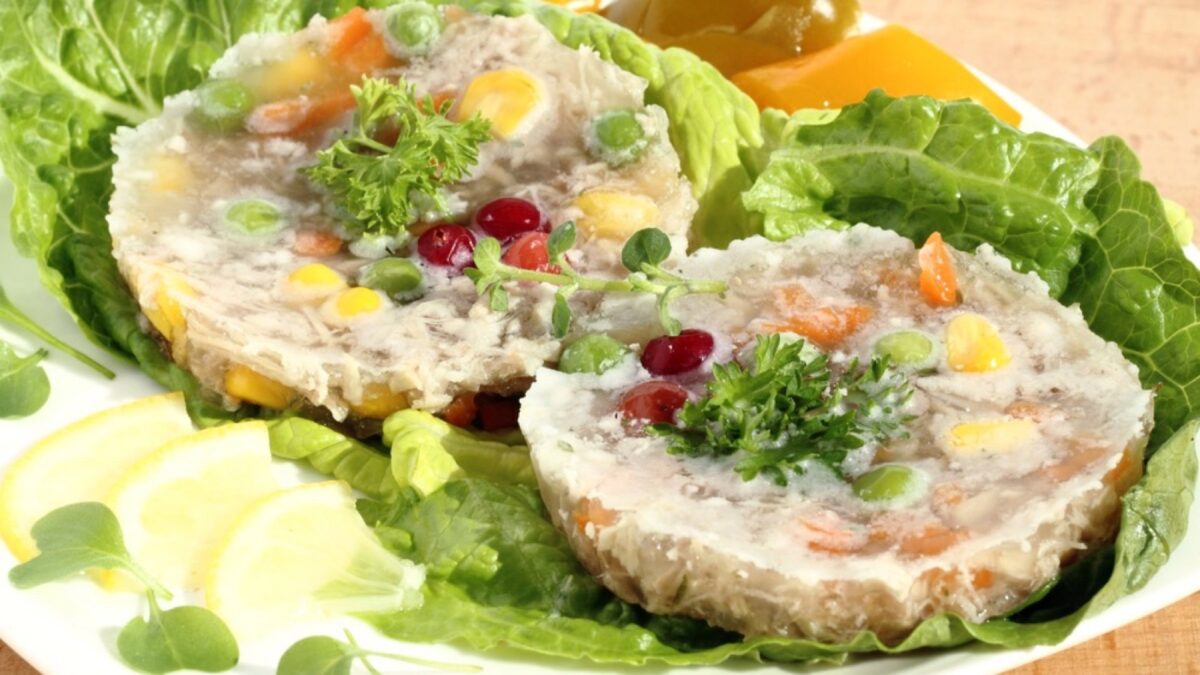
Perfection Salad combined finely chopped vegetables with a clear, tangy gelatin mixture. Cabbage, celery, and peppers were among the ingredients included in different versions.
The dish originated decades before the 1950s but remained an example of the molded salad tradition. Its neat appearance appealed to cooks who valued presentation, even if the vegetable-and-gelatin combination seems unfamiliar today.
6. Pineapple and Cheese Salad
Fruit and cheese combinations appeared in numerous mid-century recipes, sometimes alongside mayonnaise or other creamy dressings. Pineapple rings could be arranged with cheese, lettuce, and colorful garnishes.
These recipes reflected an era when the word salad could describe almost any carefully arranged mixture. Some combinations remain popular in particular communities, but others have largely disappeared from modern dinner parties.
7. Savory Gelatin Ring
Decorative ring-shaped molds allowed home cooks to create elaborate dishes with vegetables, meat, or seafood. Once unmolded, the center could be filled with another salad or dressing.
The shape made an ordinary mixture look like a special-occasion centerpiece. For hosts preparing food in advance, the refrigerator did much of the work before guests arrived.
8. Creamed Chicken in Pastry Shells
Not every unusual dinner-party food was strange because of its ingredients. Creamed chicken served inside puff-pastry shells turned a familiar combination into something that looked elegant.
Chicken, mushrooms, and a rich sauce were spooned into pastry cases shortly before serving. Although the dish remains appealing, its formal presentation is less familiar in many casual American households today.
Why Were These Dishes So Popular?
During the 1950s, a beautifully presented meal could demonstrate a host’s cooking skills and access to modern kitchen equipment. Packaged gelatin, canned ingredients, and electric refrigerators made elaborate dishes easier to prepare.
These meals weren’t necessarily strange to the people making them. They reflected the ingredients, technology, and expectations of their time, which helps explain why modern readers find them so fascinating.