Remember when McDonald’s sold pizza, Wendy’s had a buffet, and Pizza Hut offered a pizza so large it barely resembled anything else on the menu? Those weren’t imaginary products, and some people still remember ordering them.
The 1980s and 1990s were filled with fast-food experiments as restaurants introduced unusual burgers, enormous pizzas, and creative desserts. Some became short-lived favorites, while others disappeared despite attracting loyal fans.
Here are 10 menu items that bring back memories of those decades. You might even recognize something you wish your favorite restaurant would bring back.
1. McDonald’s McDLT
The McDLT wasn’t just another hamburger, because its biggest selling point was the way McDonald’s packaged it. Introduced during the 1980s, the burger came in a two-compartment foam container designed to keep the hot beef patty separate from the cool lettuce and tomato.
Customers assembled the sandwich themselves before eating, combining the ingredients just before taking a bite. The idea was that the hot ingredients would stay hot and the cold ingredients would stay cold.
The concept was memorable, but the large foam package became increasingly difficult to justify as environmental concerns grew. McDonald’s eventually discontinued the McDLT around the beginning of the 1990s.
2. McDonald’s McPizza
There was a time when McDonald’s wanted customers to think about pizza alongside burgers and fries. McPizza appeared in the late 1980s and expanded into selected markets during the 1990s.
Customers could order pizza from a restaurant better known for hamburgers, milkshakes, and quick service. The unusual offering gave families another option, particularly when everyone didn’t want the same type of fast food.
But preparing pizza took longer than assembling many standard McDonald’s menu items, creating difficulties for a business built around speed. The chain eventually abandoned the broader experiment, although some individual restaurants continued offering pizza after its national disappearance.
3. Wendy’s SuperBar
Imagine walking into Wendy’s and finding an all-you-can-eat buffet alongside the usual burgers and fries. That’s what the SuperBar offered during the late 1980s and 1990s.
Customers could choose from salad ingredients, pasta, and Mexican-inspired foods, with options varying by location. For families, the buffet offered variety at an affordable price, especially when different people wanted different meals.
The Christian Science Monitor reports that Wendy’s introduced the SuperBar in 1988 before discontinuing it in 1998. Maintaining a buffet alongside regular fast-food operations created extra work and costs, making the concept difficult to sustain.
4. McDonald’s Arch Deluxe
In 1996, McDonald’s introduced the Arch Deluxe as a more sophisticated hamburger aimed primarily at adult customers. It featured a quarter-pound beef patty and toppings that included lettuce, tomato, and a mustard-mayonnaise-style sauce.
The company invested heavily in advertising the sandwich as something different from its traditional burgers. Rather than focusing on children and family dining, the campaign emphasized adult tastes and a more refined burger experience.
Despite the marketing campaign, the Arch Deluxe failed to achieve the success McDonald’s wanted. It eventually disappeared from menus, becoming one of the chain’s best-known unsuccessful product launches.
5. Pizza Hut’s Bigfoot Pizza
Pizza Hut took the idea of a large pizza to another level with the Bigfoot. Introduced nationally in 1993, this rectangular pizza measured approximately two feet long and one foot wide.
It was designed for sharing, making it attractive to families, parties, and customers looking for value. The unusual shape also made it instantly recognizable, particularly compared with Pizza Hut’s more conventional round pizzas.
A surviving 1993 Pizza Hut advertisement promoted the pizza’s two-square-foot size. The Bigfoot eventually disappeared, but its size and marketing left a lasting impression on customers who remember ordering it.
6. Taco Bell’s Bell Beefer
Long before Taco Bell became known for its constant menu experiments, the chain offered something resembling a seasoned ground-beef sandwich. The Bell Beefer featured taco-seasoned beef served on a hamburger-style bun, typically with sauce and other toppings.
It was an unusual product for a restaurant associated with tacos and burritos, but it offered something familiar to customers who preferred sandwiches. Its combination of ingredients made it stand out from Taco Bell’s more traditional offerings.
Although it originated before the 1980s, the Bell Beefer remained available in parts of the country during the following years. Its disappearance left some longtime customers missing one of Taco Bell’s less conventional menu choices.
7. Pizza Hut’s Priazzo
Pizza Hut introduced the Priazzo in 1985 as a thick, Italian-inspired pie filled with layers of cheese, sauce, and other ingredients. Unlike a standard pizza, the Priazzo had a deeper, more substantial structure.
It was available in several varieties and was marketed as a dining experience rather than an ordinary takeout pizza. Customers could order a filling meal that differed considerably from the chain’s regular pizza offerings.
But the extra preparation time made it less convenient for busy restaurants. According to Mental Floss, the Priazzo was disappearing by the early 1990s.
8. McDonald’s McLean Deluxe
During the early 1990s, McDonald’s tried to respond to growing consumer interest in lower-fat foods. The result was the McLean Deluxe, introduced in 1991.
It used a reduced-fat beef patty formulated differently from the chain’s conventional hamburgers. The product was promoted as an option for customers who wanted a burger containing less fat.
Unfortunately for McDonald’s, the McLean Deluxe never became a lasting favorite. It was discontinued during the 1990s, although the experiment remains a memorable part of fast-food history.
9. Burger King’s Cini Minis
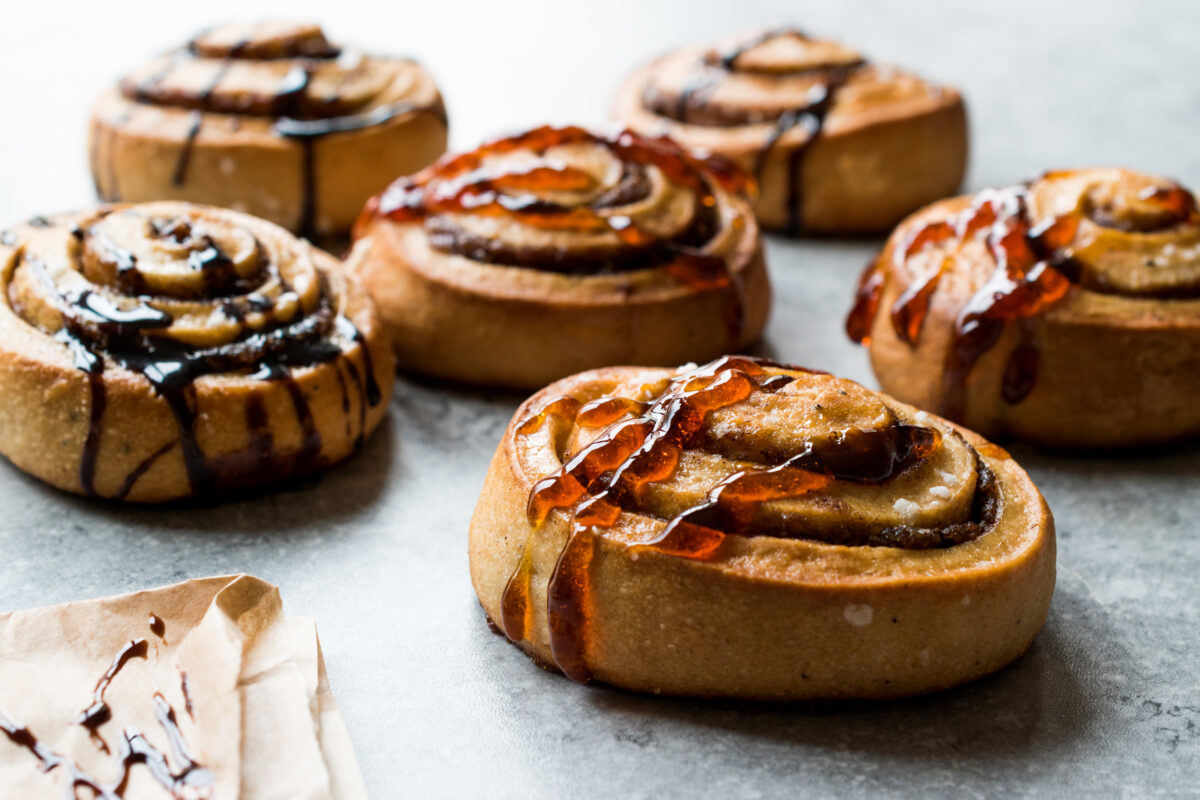
Burger King introduced Cini Minis in 1998, giving customers small cinnamon rolls served with icing for dipping. The bite-sized pastries became a memorable breakfast or sweet snack for customers who enjoyed them.
After disappearing from regular menus in the early 2010s, Cini Minis developed a following among customers hoping for their return. The product’s popularity among nostalgic fans helped keep its name in conversations long after its discontinuation.
Burger King eventually listened, bringing the product back for a limited time. In August 2025, the company returned Cini Minis to participating restaurants nationwide, showing how a discontinued item can remain relevant decades after its original launch.
10. McDonald’s Original Fried Apple Pie
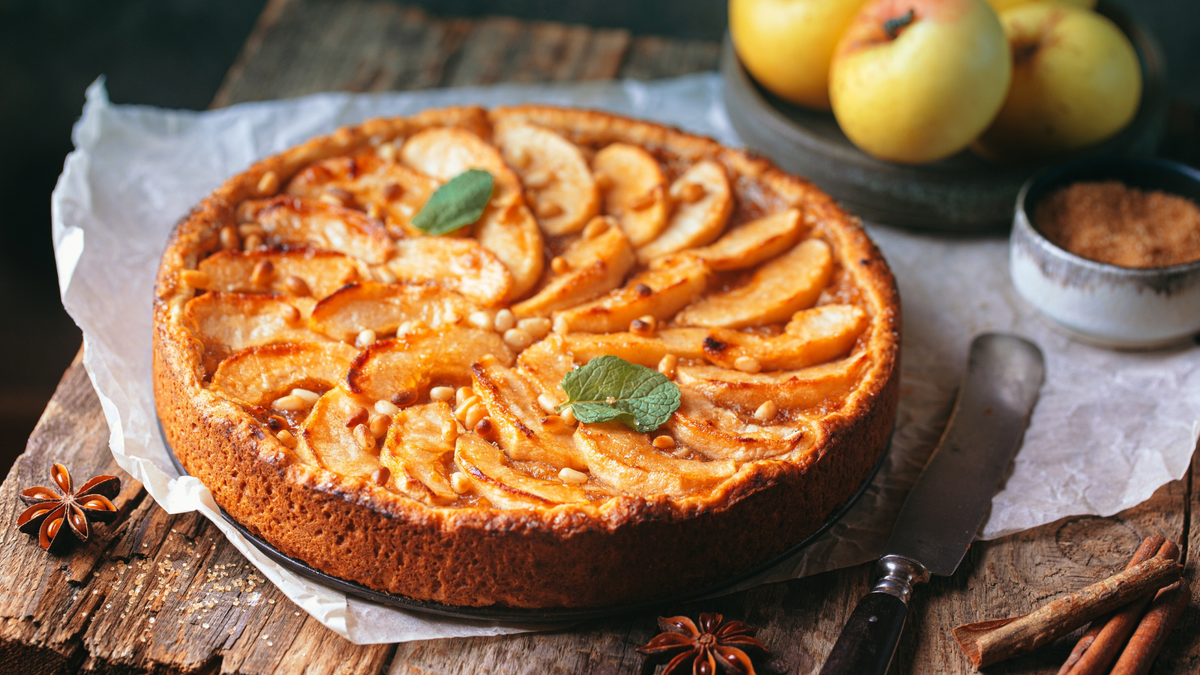
McDonald’s apple pie once had a different texture from the baked version most American customers know today. The original pie featured a crisp, fried exterior surrounding a warm apple filling.
It became a familiar dessert for customers during the 1980s, especially those who enjoyed its crunchy crust. The contrast between the fried pastry and the sweet filling made it memorable.
In 1992, McDonald’s switched to a baked apple pie across most of its American restaurants. The fried version didn’t disappear everywhere, as some regional and international locations continued offering it.
For longtime fans, the original fried crust remains one of the most memorable parts of the experience. Some still prefer it over the baked version that replaced it.
Why These Menu Items Still Get People Talking
Fast-food chains constantly introduce and discontinue products as customer preferences, costs, and restaurant operations change. Some of these items were difficult to prepare, while others struggled with sales, packaging concerns, or changing consumer tastes.
Yet nostalgia can keep a product relevant long after its disappearance. For more memories of foods that have faded from everyday life, Crafting Your Home explores childhood favorites that continue to attract attention.
Occasional menu revivals demonstrate that a discontinued product doesn’t always disappear forever. Sometimes, customers remember a particular burger, pizza, or dessert long enough to convince a restaurant to give it another chance.