If you walked into an American grocery store in 1975, you’d recognize plenty of familiar products. But look closely, and you’d also find snacks, desserts, and packaged foods that most supermarkets no longer carry.
Some had unusual flavors, while others relied on clever packaging, television advertising, or the excitement surrounding new trends. Many were popular for a few years before disappearing, leaving behind memories for the people who grew up eating them.
Here are 10 grocery store products that helped define the 1970s but have since disappeared or become difficult to find. You might remember seeing a few of them in your family’s shopping cart.
1. Jell-O 1-2-3
Jell-O 1-2-3 promised something unusual: three dessert layers from a single package. After mixing and refrigerating the dessert, the ingredients separated into layers with different textures.
The result featured regular gelatin at the bottom, a softer middle layer, and a creamy top. It was a convenient way to make a dessert that looked more complicated than it actually was.
Introduced in 1969, Jell-O 1-2-3 remained on shelves through much of the 1970s and beyond before being discontinued in the 1990s. For families who enjoyed making it, the disappearing dessert became another reminder of childhood.
2. Marathon Candy Bars
Mars introduced the Marathon Bar in 1973, giving candy lovers something difficult to overlook. The bar featured a long braid of chewy caramel covered in milk chocolate.
Its distinctive shape made it immediately recognizable, and its length was part of the advertising appeal. Unlike conventional candy bars, Marathon offered a particularly chewy experience that encouraged people to take their time eating it.
According to a Kansas City Star retrospective, the American Marathon Bar was discontinued in 1981. A somewhat similar candy, Cadbury’s Curly Wurly, has been sold in other markets, but it isn’t the original Mars product.
3. Space Food Sticks
The excitement surrounding America’s space program reached grocery store shelves through products such as Space Food Sticks. Developed by Pillsbury, these chewy, individually wrapped snack sticks were marketed to consumers during the space age.
They came in flavors such as chocolate and peanut butter and offered a convenient, portable snack. Their association with space exploration made them particularly interesting to children fascinated by astronauts and NASA missions.
The product was later marketed under the shorter name Food Sticks, losing some of its original space-themed identity. Although similar nutrition bars are common today, the original product eventually disappeared from mainstream grocery stores.
4. Koogle Peanut Spread
Peanut butter was already a household staple, but Kraft’s Koogle spread offered an unusual twist. Introduced in the 1970s, Koogle combined a peanut-based spread with flavors that included chocolate, banana, cinnamon, and vanilla.
The product was marketed as a playful alternative to ordinary peanut butter, especially for families looking for something different. For children, the flavored varieties offered an exciting change from traditional peanut butter sandwiches.
Koogle didn’t become a permanent fixture in American pantries, and the original product eventually disappeared from stores. Its unusual flavor combinations remain one of the reasons some shoppers remember it.
5. Pizza Spins
General Mills took inspiration from pizza when it developed Pizza Spins, a snack remembered for its distinctive wheel-like shape. Rather than serving actual pizza, the company offered a crunchy packaged snack with pizza-inspired seasoning.
The unusual shape helped distinguish it from conventional potato chips and other salty snacks. It was one of several products that reflected the growing competition for attention in grocery store snack aisles.
Pizza Spins were associated with the late 1960s and 1970s, but they did not remain on grocery shelves. Today, pizza-flavored snacks still exist, though they don’t offer quite the same experience as the original Pizza Spins.
6. Freakies Cereal
Breakfast cereal advertising was particularly creative during the 1970s, and Freakies was a good example. Ralston introduced the cereal in 1972 with a group of colorful cartoon characters called the Freakies.
The characters appeared on boxes and in advertisements, giving children an additional reason to notice the product. The unusual creatures helped create a recognizable identity that extended beyond the cereal itself.
The original cereal’s initial run was short, ending later in the decade. Freakies has remained memorable among collectors of vintage cereal packaging and advertising, even though the original product is long gone.
7. Libbyland Adventure Dinners
Long before children’s frozen meals came with elaborate branding, Libby introduced Libbyland Adventure Dinners. Launched in the early 1970s, these frozen meals used imaginative themes to make dinner more entertaining for children.
The packaging and food presentation emphasized fun rather than simply convenience. For parents, the product offered a ready-made meal, while children received a dinner designed to make eating more exciting.
The line lasted only a few years, making it a particularly short-lived example of 1970s food marketing. Despite its disappearance, the concept anticipated later efforts to make packaged meals more appealing to children.
8. Choco’Lite Candy Bars
Nestlé’s Choco’Lite bar stood out because of its unusual texture. Rather than offering a conventional solid chocolate center, the bar contained a light, aerated chocolate structure with a crunchy bite.
Its texture made it different from many competing candy bars available during the decade. For shoppers who preferred lighter chocolate products, the unusual interior offered a distinctive experience.
Choco’Lite became one of several discontinued sweets remembered by people who grew up shopping in the 1970s. Although aerated chocolate products remain available under other names, the original American Choco’Lite bar is no longer a regular grocery store item.
9. Screaming Yellow Zonkers
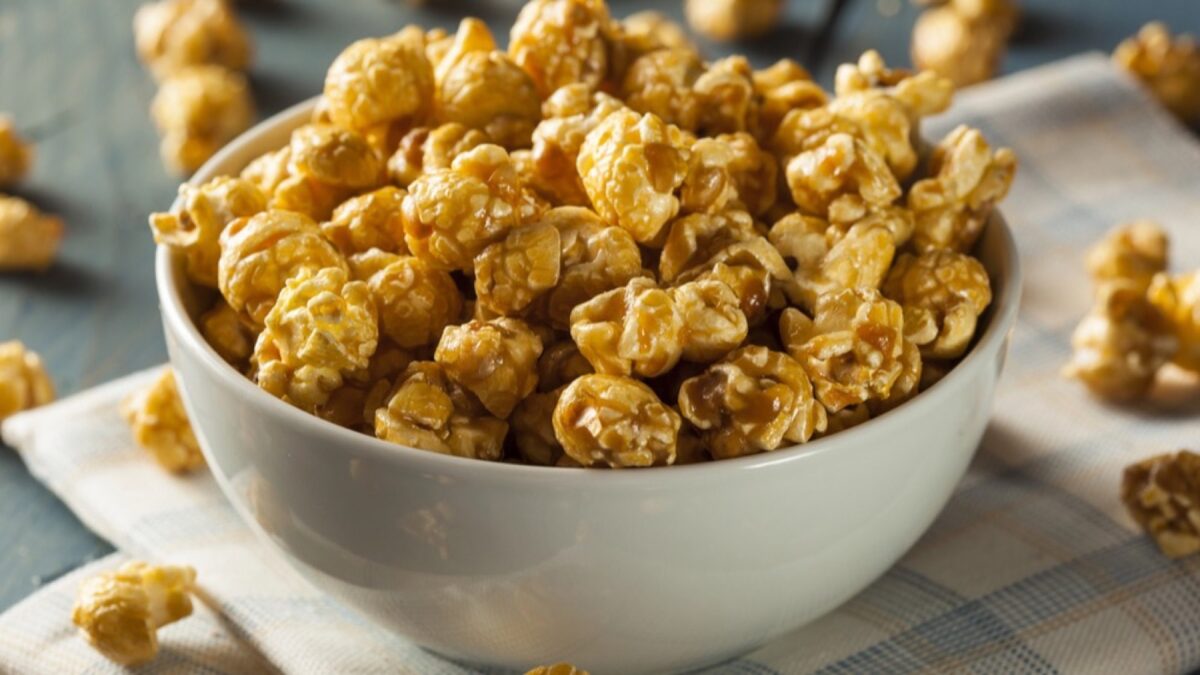
Few snack names captured the playful side of 1970s marketing quite like Screaming Yellow Zonkers. The product consisted of glazed popcorn sold in distinctive black packaging.
Its advertisements and boxes used unusual humor to attract attention, making the packaging part of the experience. The name itself was memorable enough to distinguish the product from more conventional popcorn snacks.
First introduced near the end of the 1960s, Screaming Yellow Zonkers remained familiar to shoppers during the following decade. The brand eventually disappeared from regular production, although it has experienced limited returns.
10. Danish Go-Rounds
Kellogg’s Danish Go-Rounds offered shoppers a toaster pastry with a different appearance from the rectangular Pop-Tart. The product featured a spiral shape and sweet filling, giving it the look of a small packaged Danish pastry.
For families seeking a quick breakfast, it provided another convenient option that could be heated before eating. Its unusual shape helped it stand out from competing breakfast pastries.
Despite the popularity of toaster pastries, Danish Go-Rounds did not survive as a long-term grocery store staple. They remain one of the discontinued products associated with the era’s experimentation in packaged breakfast foods.
Why Did So Many Products Disappear?
The 1970s produced a remarkable variety of packaged foods, but not every product could remain profitable or keep shoppers interested. Some disappeared because sales declined, while others faced changing competition, production costs, or shifting consumer preferences.
A retrospective on discontinued snacks documents several once-familiar products. For more forgotten grocery items, Crafting Your Home also looks at products that vanished from American shelves during and after the 1960s.
What makes these products memorable isn’t necessarily that they tasted better than today’s alternatives. Sometimes, it’s the packaging, the commercials, or the excitement of picking out a favorite snack during a Saturday grocery trip.