Potlucks are supposed to be fun. They bring friends, family members, neighbors, and coworkers together over homemade dishes, shared memories, and plenty of good food.
Everyone gets to contribute something, and the best gatherings often feature a surprising mix of appetizers, main courses, desserts, and family recipes.
But one unspoken rule can make or break a potluck: bring something people actually want to eat.
Unfortunately, not every dish is a crowd-pleaser. Some foods are difficult to serve, others create unnecessary messes, and a few can become problematic when left sitting out for hours. Even a well-intentioned contribution can turn into an inconvenience for the host.
Before preparing your next dish, here are 10 things you might want to leave at home when attending a potluck.
Extremely Spicy Dishes Without a Warning
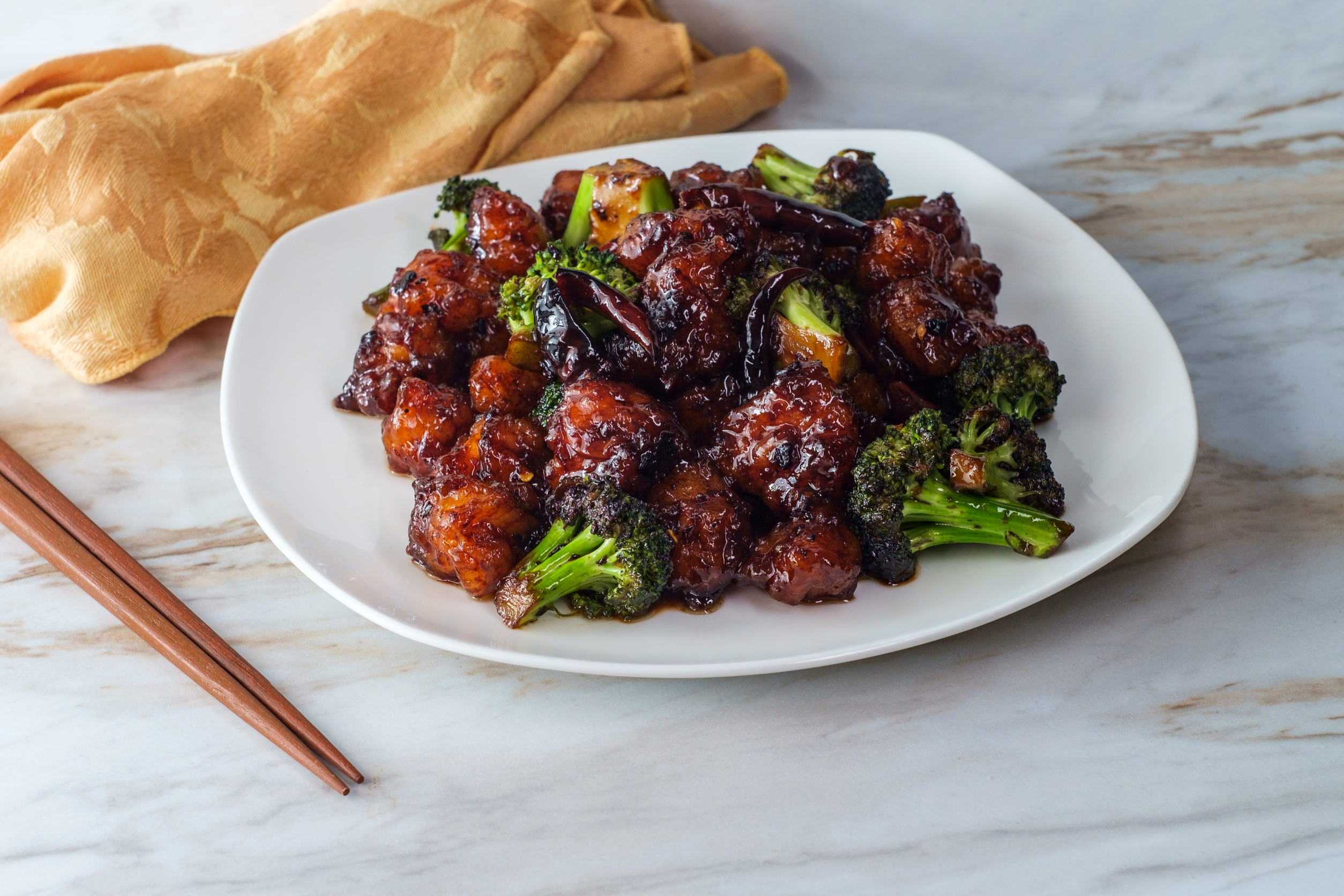
There is nothing wrong with enjoying fiery food. Some guests love hot wings, spicy chili, and dishes loaded with hot peppers.
However, bringing something extremely spicy without telling anyone can catch guests off guard. Not everyone has the same tolerance, and children or people who prefer milder flavors may struggle to enjoy it.
You don’t have to abandon your favorite recipe. Label it clearly as spicy and, if possible, bring a milder alternative. Keeping hot sauce or extra seasoning on the side also allows guests to adjust their portions.
Dishes That Need Constant Refrigeration but Have No Cooling Plan
A creamy potato salad, homemade egg salad, seafood dip, or mayonnaise-based pasta salad might sound like a perfect potluck contribution. The problem starts when these dishes are transported without proper cooling and then left on a table for hours.
Perishable foods need temperature control, particularly during warm-weather gatherings. According to the USDA Food Safety and Inspection Service, keep cold foods at 40°F or below and hot foods at 140°F or above.
If you want to bring a chilled dish, transport it in an insulated cooler with ice packs. You can also ask the host whether they have refrigerator space.
Foods That Require Last-Minute Cooking
Imagine arriving at a potluck with a tray of raw chicken wings, uncooked meatballs, or ingredients that still need to be prepared. Suddenly, the host has another cooking assignment.
Potlucks are easier when everyone arrives with food ready to serve. Bringing something that needs an oven, stovetop, or extensive preparation can create unnecessary pressure, especially when the kitchen is already busy.
If your contribution needs reheating, prepare it ahead of time and ask whether the host has oven space or microwave access. Better still, choose a dish that can be served without additional cooking.
Dishes That Are Difficult to Serve
Some foods taste wonderful but become a nightmare when everyone is trying to serve themselves.
Think of enormous casseroles that require special utensils, layered desserts that collapse when sliced, or sticky foods that cling to serving spoons.
A potluck should not require guests to struggle with their plates. Finger foods, individual portions, sliced desserts, and dishes that come with their own serving utensils are generally easier choices.
If your recipe is difficult to portion, consider preparing it in smaller containers before leaving home.
Foods With Strong Smells That Can Take Over the Room
A potluck brings together different tastes and food preferences. However, a dish with an especially powerful smell can become the center of attention for reasons other than its flavor.
Strongly scented seafood, heavily fermented foods, and dishes loaded with pungent ingredients may not appeal to everyone.
This doesn’t mean such foods should never be served. If the gathering has a theme or the host specifically requests them, they may be perfectly appropriate. Otherwise, consider whether your contribution will fit comfortably alongside the other dishes.
Homemade Foods With Unclear Ingredients
Bringing homemade food is one of the nicest ways to contribute to a shared meal. However, guests should not have to guess what’s inside a dish.
A dessert may contain peanuts, a casserole may include dairy, and a seemingly simple sauce may contain soy or wheat.
Food allergies can make ingredient information especially important. The USDA identifies common allergens such as milk, eggs, fish, shellfish, tree nuts, peanuts, wheat, and soybeans among the ingredients that deserve attention.
Attach a small ingredient card to your dish. You don’t need an elaborate label. A simple description of the main ingredients and common allergens can help guests make informed choices.
Foods That Need Complicated Assembly
Some dishes are best enjoyed immediately after preparation. Unfortunately, a potluck is not always the right environment for them.
Think of delicate tacos that need individual assembly, sandwiches that become soggy after sitting, or elaborate appetizers that require several separate toppings.
By the time guests reach the food table, these dishes may have lost the texture and presentation that made them appealing in the first place.
If you want to bring something that requires assembly, prepare the components separately and provide simple instructions. Better yet, choose a version that can be assembled in advance without losing its appeal.
Experimental Recipes Nobody Asked You to Test
Trying a new recipe can be exciting, but a potluck might not be the best place to discover that something went wrong.
Perhaps you have never made that unusual casserole before, or you’re experimenting with an unfamiliar combination of ingredients. It could become everyone’s new favorite, or it could turn into an expensive disappointment.
For a shared gathering, choose something you have prepared successfully before. If you really want to experiment, test the recipe at home first.
That way, you can arrive confidently instead of hoping your guests become your taste testers.
Foods That Are Messy or Difficult to Eat
Nobody wants to spend the afternoon trying to keep sauce off their clothes or balancing a dripping serving on a small paper plate.
Some foods are naturally messier than others. Saucy ribs, overloaded nachos, runny desserts, and dishes that require several napkins can make a casual potluck unnecessarily complicated.
Of course, these foods can still be delicious. The trick is to consider how they will be served.
Cut large portions into manageable sizes, provide enough napkins, and package sauces separately when appropriate. If a dish is particularly messy, bring the necessary serving supplies.
Dishes That Require Equipment the Host Doesn’t Have
A slow-cooked meal, frozen dessert, or elaborate hot appetizer may sound like a generous contribution. But what happens when you arrive and discover that the host has nowhere to keep it at the right temperature?
Not every household has enough oven space, refrigerator capacity, electrical outlets, warming trays, or serving equipment for several guests.
Before committing to a complicated dish, ask the host what facilities are available. If your food needs special equipment, bring it yourself or choose a simpler alternative.
This small conversation can prevent a lot of last-minute confusion.
Food Prepared While Someone in the Household Is Sick
This is one potluck mistake that deserves more attention.
You might have prepared a delicious homemade dish, but if you are experiencing vomiting or diarrhea, bringing food to a shared gathering is a bad idea.
Food can become contaminated during preparation, even when it looks and smells perfectly normal. The Ohio Department of Health advises people not to prepare food for potlucks when they or someone in their household is sick.
Missing the chance to contribute may be disappointing, but protecting other guests should come first. You can always participate in the next gathering.
A Few Potluck Rules Worth Remembering
You don’t need to prepare an elaborate meal to make a good impression at a potluck. A familiar recipe, thoughtfully prepared and easy to serve, is often more appreciated than an ambitious dish that creates extra work.
A few practical food safety rules are also worth remembering.
- Keep cold foods at 40°F or below.
- Keep hot foods at 140°F or above.
- Refrigerate or discard perishable foods that have been sitting at room temperature for more than two hours.
- If temperatures exceed 90°F, reduce that limit to one hour.
- Bring serving utensils and clearly identify common allergens.
These recommendations are consistent with guidance from the USDA and FDA.
Ultimately, a potluck is about sharing food and enjoying one another’s company. Choose something delicious, make it easy for everyone to enjoy, and remember that being a considerate guest matters as much as what you bring.