Walk into almost any American supermarket, and you’ll find shelves packed with colorful candy, freshly baked bread, chewing gum, and familiar meat products. They’re everyday purchases that most shoppers rarely think twice about.
But take some of those same products overseas, and the rules can change dramatically.
Certain ingredients, food-processing methods, and even popular candy brands face restrictions in other countries. In some cases, a product that can legally be sold in the United States cannot be marketed in the same form elsewhere.
That doesn’t mean every American version is illegal abroad. Sometimes, only a particular ingredient or manufacturing method is prohibited.
Here are eight familiar American foods and treats that face surprising restrictions outside the United States.
Jolly Rancher Candies Face Restrictions in Parts of the UK
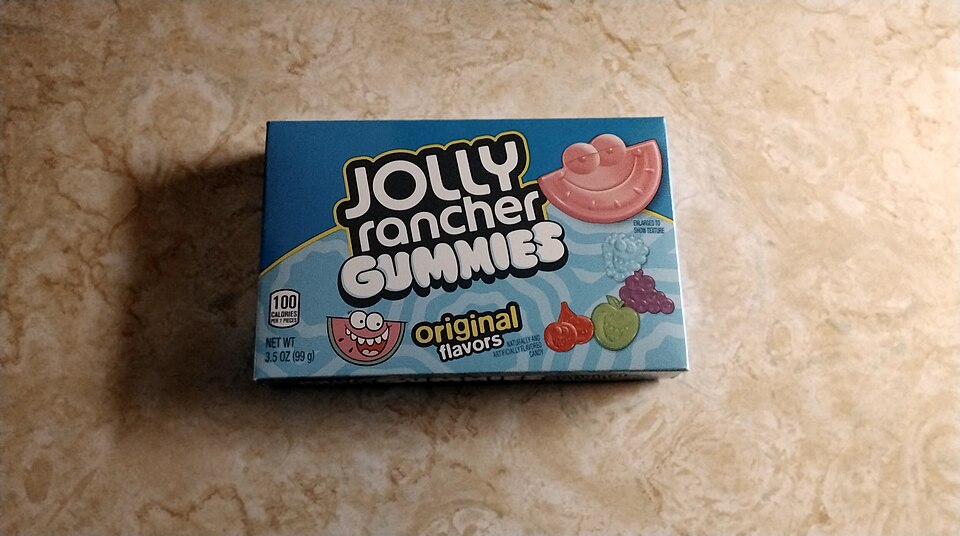
For many Americans, Jolly Ranchers bring back memories of colorful wrappers and intensely fruity flavors. But several varieties of this popular candy have faced serious regulatory action across parts of the United Kingdom.
In January 2026, the UK Food Standards Agency updated an alert covering six Jolly Rancher product lines, including Hard Candy, Misfits Gummies, Berry Gummies, Filled Pops, and Freeze Dried Candy.
The agency identified mineral oil aromatic hydrocarbons, known as MOAH, in the affected products.
Businesses were instructed to stop selling the listed candies and arrange withdrawals or recalls. The alert specifically covered England, Northern Ireland, and Wales.
Interestingly, Hershey had already taken steps to remove the products from the UK market in 2024, but other businesses continued importing them.
The agency emphasized that previous consumption was not an immediate cause for alarm, although continued or frequent exposure raised concerns. It’s a striking example of how an ordinary American candy can face very different rules overseas.
Candy Made With Titanium Dioxide Is Prohibited in the EU
Brightly colored candies are a familiar sight in American grocery stores. But one ingredient historically used in confectionery has faced much tougher restrictions in the European Union.
Titanium dioxide, also called E171, was used as a food coloring in products such as candies, pastries, and other sweets.
In 2022, the European Commission withdrew authorization for titanium dioxide as a food additive. European regulators acted after a safety assessment could not rule out concerns about potential damage to genetic material.
This doesn’t mean all colorful American candies are banned in Europe. It means products containing titanium dioxide as a food additive cannot be newly marketed under EU rules. Manufacturers can reformulate products using other permitted ingredients.
There’s another surprising detail: Great Britain maintains a different authorization position on titanium dioxide, demonstrating that food regulations can differ even between nearby markets.
Bread Made With Potassium Bromate Cannot Be Sold in Canada
Bread is one of the most ordinary foods imaginable. Yet even a basic loaf can contain ingredients that are treated differently across borders.
Potassium bromate is a flour-treatment additive historically used in commercial baking. While U.S. regulations have permitted specified uses, Canada removed potassium bromate from its list of authorized food additives in 1994.
According to the Canadian government’s chemical assessment, potassium bromate is no longer permitted in foods offered for sale in Canada.
That doesn’t mean Canada has banned American bread. Bread made without the prohibited additive can still be sold. The distinction is important because two loaves that look almost identical may have different ingredient lists.
For consumers, it’s a reminder that familiar foods don’t always follow identical manufacturing rules in every country.
Some Bakery Products Containing Azodicarbonamide Face EU Restrictions
Imagine discovering that an ingredient used in certain American bakery products isn’t authorized for the same purpose in the European Union.
That’s the situation with azodicarbonamide, commonly abbreviated as ADA. The ingredient has been used as a flour-whitening agent and dough conditioner.
According to the U.S. Food and Drug Administration, ADA is approved for specified uses in American food production. However, European Union rules do not authorize it as a food additive.
This difference has attracted attention because ADA also has industrial applications, although sharing an ingredient with an industrial process doesn’t automatically establish the safety risk of its regulated food use.
The FDA maintains that ADA is safe under its permitted conditions and does not recommend changing diets because of exposure at those levels.
Beef From Cattle Given Certain Growth Hormones Is Restricted in the EU
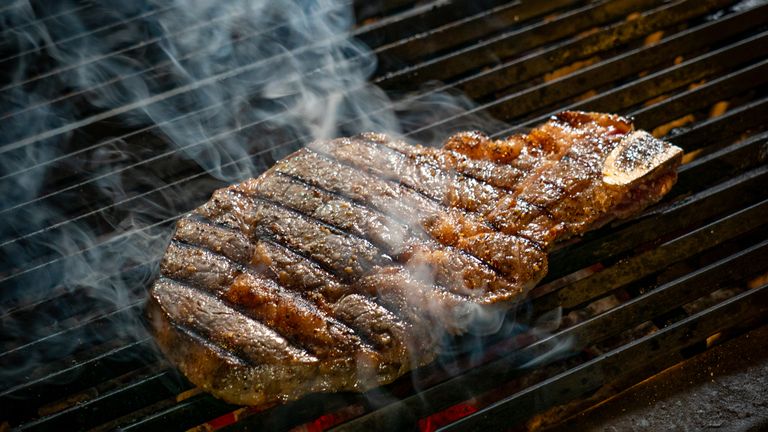
Steak, hamburgers, and other beef products are staples of American food culture. But the way some cattle are raised can determine whether their meat qualifies for sale in another country.
The European Union prohibits specified hormone treatments used to promote growth in farm animals. According to the European Commission, these restrictions apply to domestic production and imports.
That means beef from cattle treated with certain prohibited growth promoters cannot enter the EU market under those rules.
However, it would be inaccurate to say that all American beef is banned in Europe. Beef that meets the relevant requirements may be eligible for export.
The issue isn’t whether the steak originated in the United States. It’s whether the animals were raised according to the destination market’s rules.
Pork From Pigs Treated With Ractopamine Faces Restrictions
Pork products are another familiar part of American grocery shopping, from bacon and ham to pork chops. Yet certain livestock practices can create international trade barriers.
Ractopamine is a substance used in some livestock production systems to promote lean growth. European Union rules prohibit its use for growth promotion and restrict imports of meat from animals treated in that way.
That means pork produced using the prohibited treatment cannot simply be sold in the EU under the same conditions as compliant pork.
However, this isn’t a blanket ban on American pork. Not every pig raised in the United States receives ractopamine, and producers can follow different standards depending on their markets.
It’s another case where a country’s rules focus on production methods rather than prohibiting an entire food category.
Chlorine-Washed Chicken Faces Restrictions in the UK
Chicken is one of the most common foods served in American homes. But the methods used to process poultry have long been a subject of disagreement in international food trade.
One controversial practice involves using certain chlorine-based antimicrobial washes during poultry processing. The United Kingdom has maintained restrictions on chicken treated using methods that don’t meet its standards.
A June 2025 Food Standards Agency report reaffirmed the government’s position on maintaining existing protections involving chlorine-washed chicken.
However, this doesn’t mean all American chicken is banned. The restriction concerns specific processing treatments.
It also doesn’t automatically mean chicken subjected to a chlorine wash is poisonous. The debate involves differences in food-production standards and approaches to controlling contamination.
For shoppers, it’s a good example of how the same familiar food can be regulated differently depending on where it’s produced and sold.
Ordinary Chewing Gum Cannot Be Imported Into Singapore
Perhaps the most surprising item on this list isn’t meat, bread, or candy. It’s chewing gum. In the United States, picking up a pack of gum at a checkout counter is about as ordinary as buying a bottle of water.
But Singapore has famously strict rules governing chewing-gum imports. According to Singapore Customs, ordinary chewing gum is listed among prohibited imports. There are exceptions for approved oral dental and medicinal chewing gums.
The important distinction is that the restriction concerns importing the product. It doesn’t mean the simple act of chewing gum is automatically illegal.
Travelers should check the applicable customs requirements rather than assume that something sold in an American convenience store can be freely brought into another country. It’s a memorable example of how dramatically everyday consumer rules can differ around the world.
What About Mountain Dew, Colorful Cereals, and Farmed Salmon?
You’ve probably seen online lists claiming that familiar American foods such as Mountain Dew, brightly colored cereals, or farmed salmon are banned across Europe. Those claims often leave out important details.
For example, brominated vegetable oil, once associated with some American citrus-flavored drinks, is no longer a useful example of an ingredient permitted in the United States but banned elsewhere.
The FDA revoked its authorization, with the compliance deadline passing in August 2025.
Likewise, certain food dyes face warning-label requirements or limits in European markets rather than universal bans. And farmed salmon isn’t broadly prohibited simply because color is added to its feed.
These distinctions matter because food regulations change, and older online claims can continue circulating long after the rules or product formulations have changed.