Walk through a modern supermarket and you’ll find foods that would have seemed unusual several decades ago. But look carefully, and you’ll also discover products that were once familiar pantry staples but receive less attention today.
Some remain available in the canned goods aisle. Others survive mainly in traditional recipes, smaller grocery stores, and family memories.
Here are eight foods associated with earlier generations that younger shoppers may be less familiar with, even though several remain practical choices today.
1. Canned Sardines
Canned sardines have long offered a convenient way to keep fish available without refrigeration before opening. They can be eaten with crackers, bread, or rice and are sold in oil, water, and various sauces.
Some younger shoppers are rediscovering sardines because of their convenience and nutrient content. Still, their strong flavor and visible bones can surprise people who didn’t grow up eating them.
2. Potted Meat
Potted meat is a finely processed, canned meat spread that has been used for sandwiches and crackers. Its long shelf life and convenience made it practical for households that needed affordable pantry foods.
The smooth texture and salty flavor can be unfamiliar to younger consumers accustomed to fresh deli meats. Although it remains available, it is rarely presented as an exciting modern grocery purchase.
3. Canned Hominy

Hominy is corn that has undergone an alkaline processing treatment known as nixtamalization. Canned hominy provides a convenient form of an ingredient used in many traditional dishes, including soups and stews.
The kernels have a distinctive texture and flavor that differ from ordinary sweet corn. Hominy remains important in Mexican and regional American cuisines, even if it is unfamiliar to shoppers outside those traditions.
4. Prunes
Prunes, now frequently marketed as dried plums, have been part of American diets for generations. Older consumers may remember them as a breakfast food or a familiar remedy for occasional constipation.
Their reputation has sometimes overshadowed their use as an ordinary dried fruit. They can be eaten alone, added to oatmeal, or incorporated into baked goods.
5. Canned Corned Beef
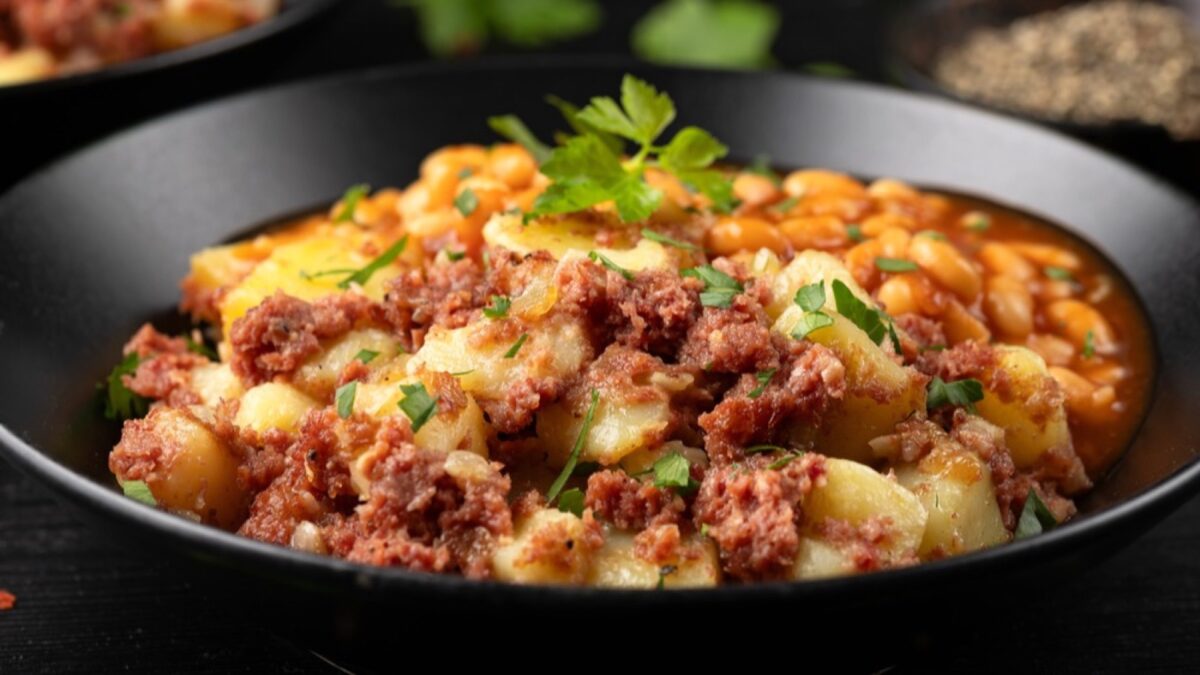
Canned corned beef has been useful in households seeking shelf-stable meat for quick meals. It can be sliced, fried, or combined with potatoes, onions, and vegetables.
Different cultures prepare it in different ways, and it remains popular in many parts of the world. Some American shoppers, though, may associate it more with older family recipes than everyday cooking.
6. Evaporated Milk
Before modern refrigeration became widespread, shelf-stable milk products offered practical advantages. Evaporated milk is made by removing some of the water from milk before packaging it in cans.
It remains useful in desserts, sauces, and certain traditional recipes. Younger shoppers familiar with fresh milk and plant-based alternatives may not always recognize its role in older family cooking.
Mid-century households also relied on other convenience foods that simplified meal preparation. Evaporated milk is one example of how shelf-stable ingredients became part of ordinary cooking.
7. Canned Salmon
Canned salmon was a convenient ingredient for patties, loaves, salads, and sandwiches. It allowed families to prepare fish dishes without buying fresh seafood.
Although canned salmon remains available, many modern salmon recipes focus on fresh fillets and oven or air-fryer preparation. For older cooks, salmon patties may be the more familiar way to use the ingredient.
8. Creamed Corn
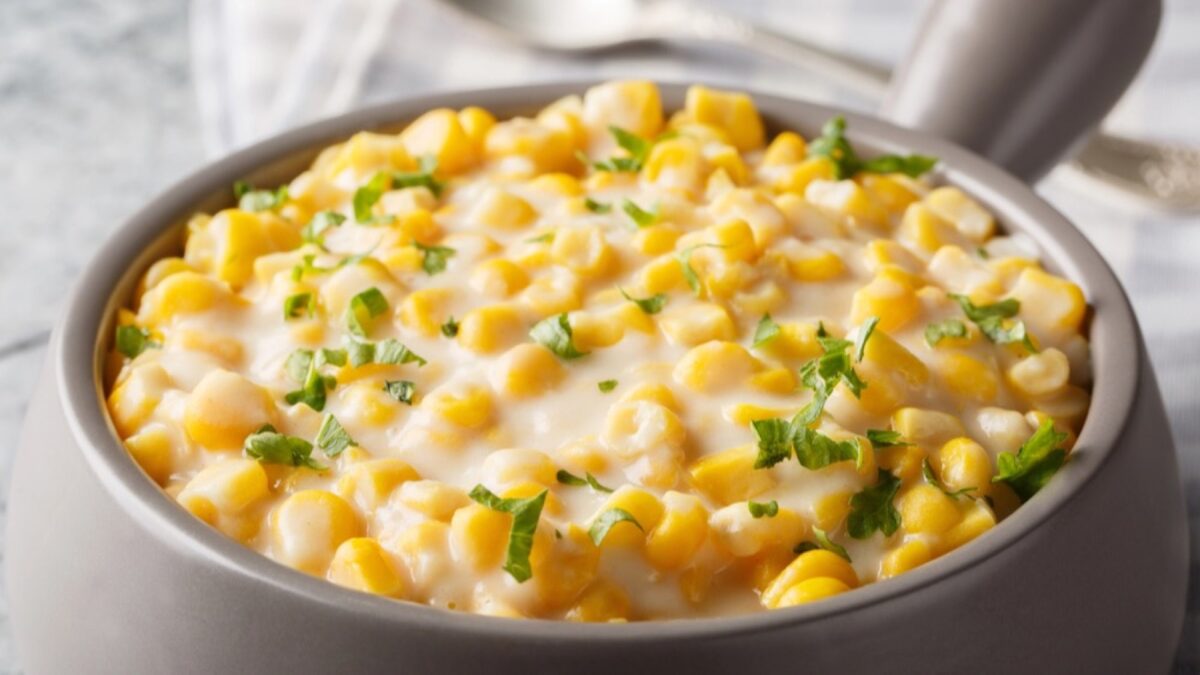
Creamed corn is a preparation in which corn kernels are combined with a thick, creamy mixture, often including liquid released from the corn itself. Canned versions made it an easy vegetable side dish.
Some families served it alongside fried chicken, meatloaf, or mashed potatoes. Others used it in casseroles and cornbread recipes, making it a versatile pantry ingredient.
Do Older Foods Still Have a Place?
A food doesn’t become outdated simply because fewer people recognize it. Many traditional products remain practical, affordable, and useful in modern kitchens.
Rather than dismissing these ingredients, younger cooks may find it worthwhile to learn how earlier generations prepared them. Some are still useful for quick meals, emergency supplies, and economical cooking.