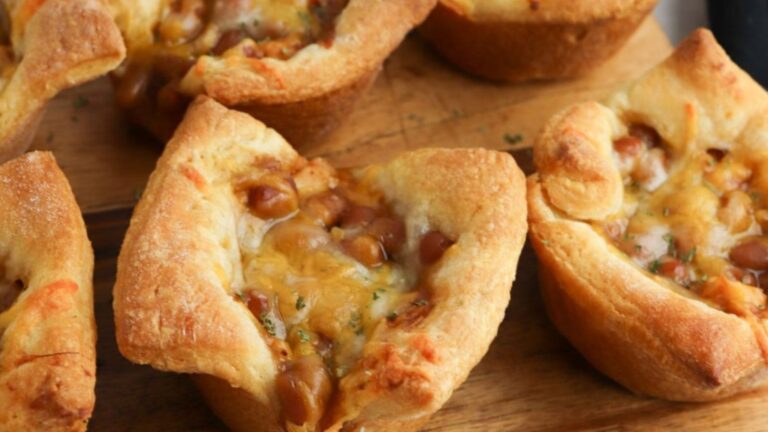
Dinner is over, the chili is still steaming, and someone says, “Leave it out until it cools.” It sounds like sensible kitchen advice, especially when the pot feels too hot to handle. But letting leftovers sit until they reach room temperature gives bacteria more time to multiply. The U.S. Department of Agriculture says you can put small amounts of hot food straight into the refrigerator. If you’re dealing with a big batch, divide it into shallow containers first so it cools faster. ask.fsis.usda.gov
The sooner leftovers cool, the better
A pot of soup can stay warm long after you turn off the stove. As the food cools, it passes through what the USDA calls the danger zone, between 40°F and 140°F. Bacteria can multiply rapidly in this range. Refrigerating food promptly helps it move through that temperature range faster, especially when you’ve divided it into smaller portions. ask.fsis.usda.gov
Refrigerate or freeze perishable leftovers within two hours of cooking, or within two hours of taking them off a heat source that’s keeping them hot. If the air temperature is above 90°F, as it might be at a summer cookout, the limit drops to one hour. Those are maximums, so if everyone has finished eating and you know what you’re saving, go ahead and pack it up. ask.fsis.usda.gov
Related: 10 Foods You Should Never Store in the Fridge — Here’s What to Do Instead
A shallow container makes a big difference.
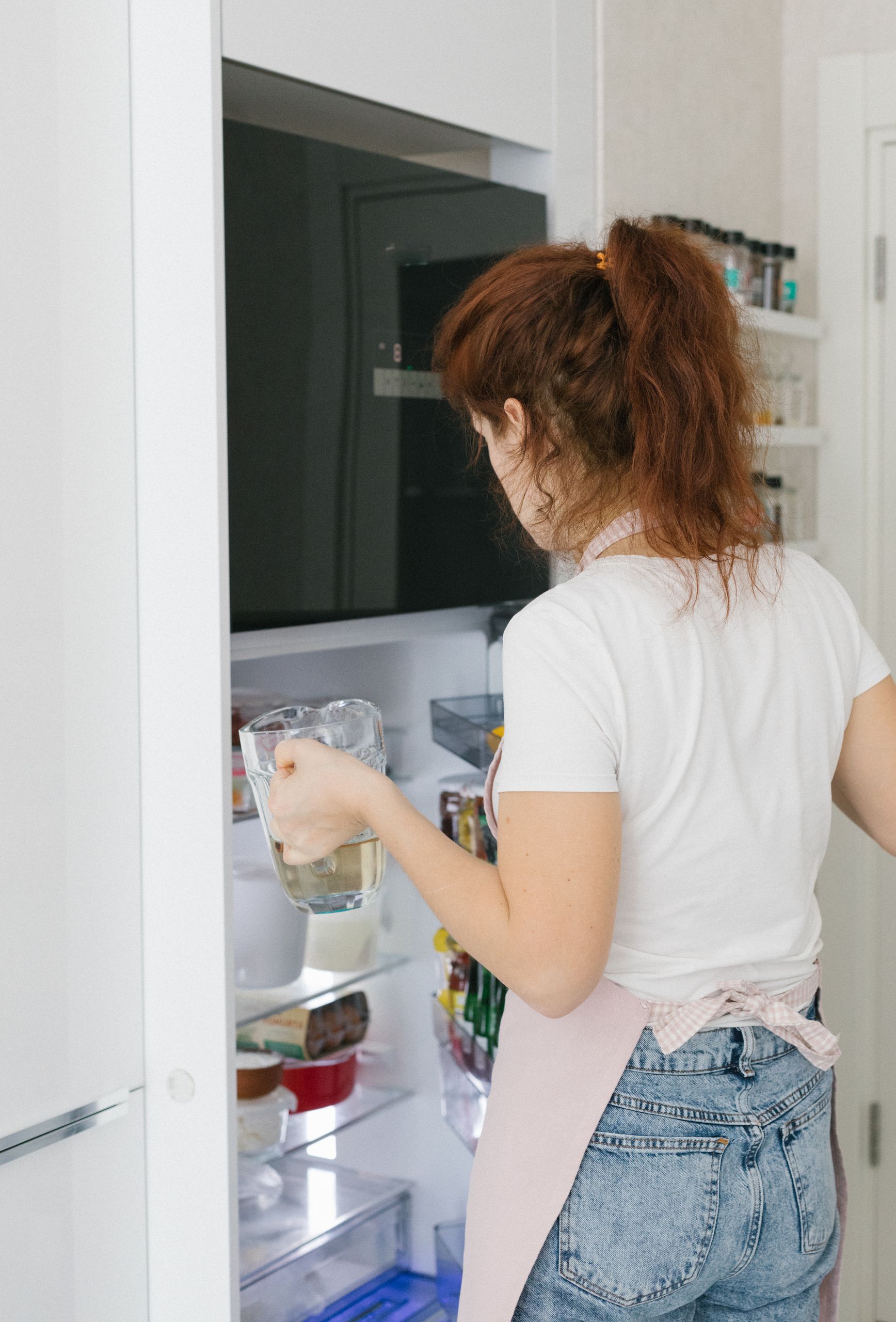
Picture a deep stockpot filled with stew. The stew near the sides may cool while the middle stays warm. Ladle the same stew into several shallow containers, and the heat has less depth to travel through. That’s why the USDA recommends smaller portions for large batches of soup or stew. The same idea works for a roast chicken. Cut it into smaller pieces and store them separately or in shallow containers. ask.fsis.usda.gov
You can also use an ice-water bath if you need to cool food quickly before refrigerating it. Set the food container in a larger bowl or sink filled with ice water, keeping the water below the rim so it stays out of the food. For a big pot of soup, you can make things easier by ladling the soup into smaller containers first. ask.fsis.usda.gov
Give the cold air room to move.
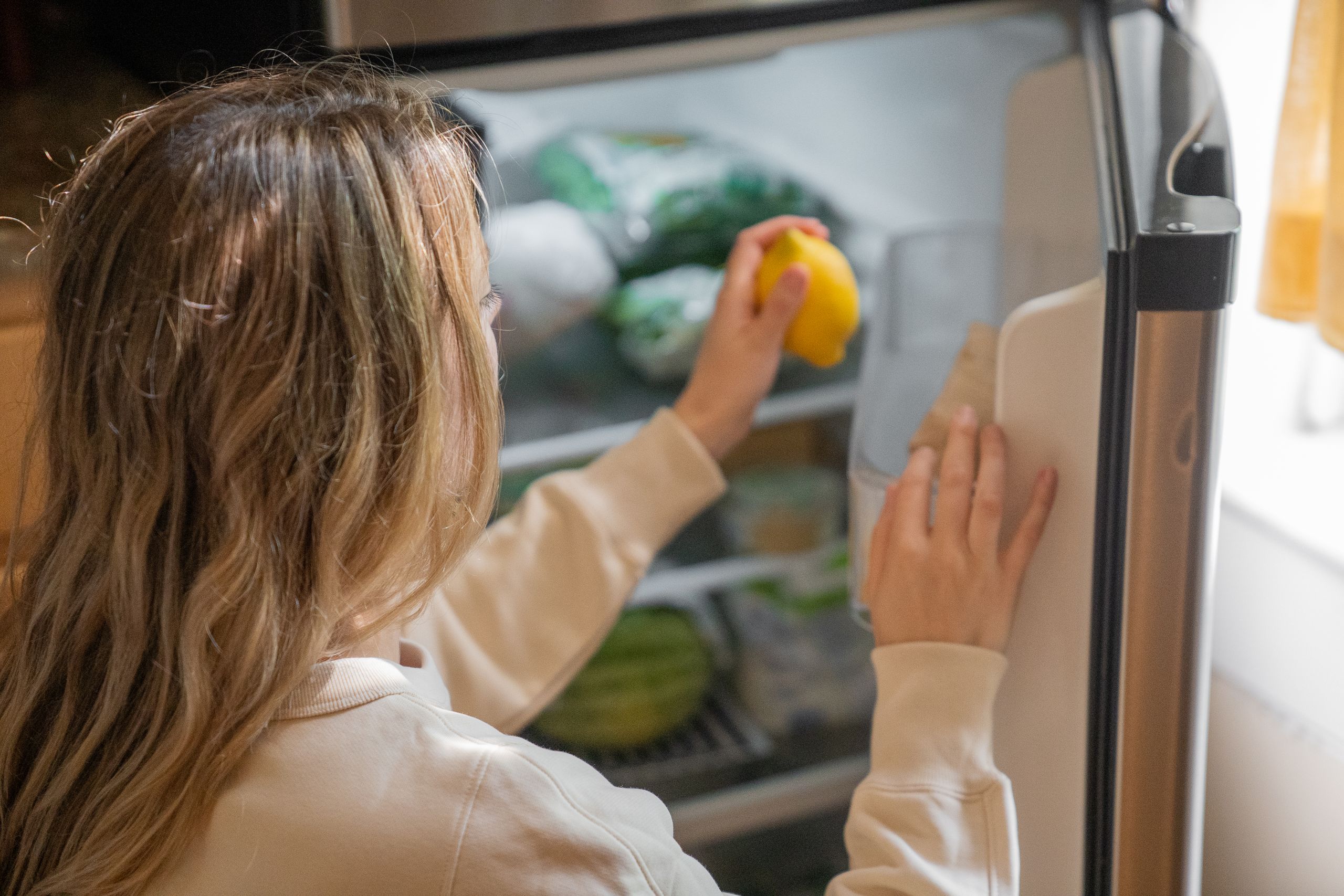
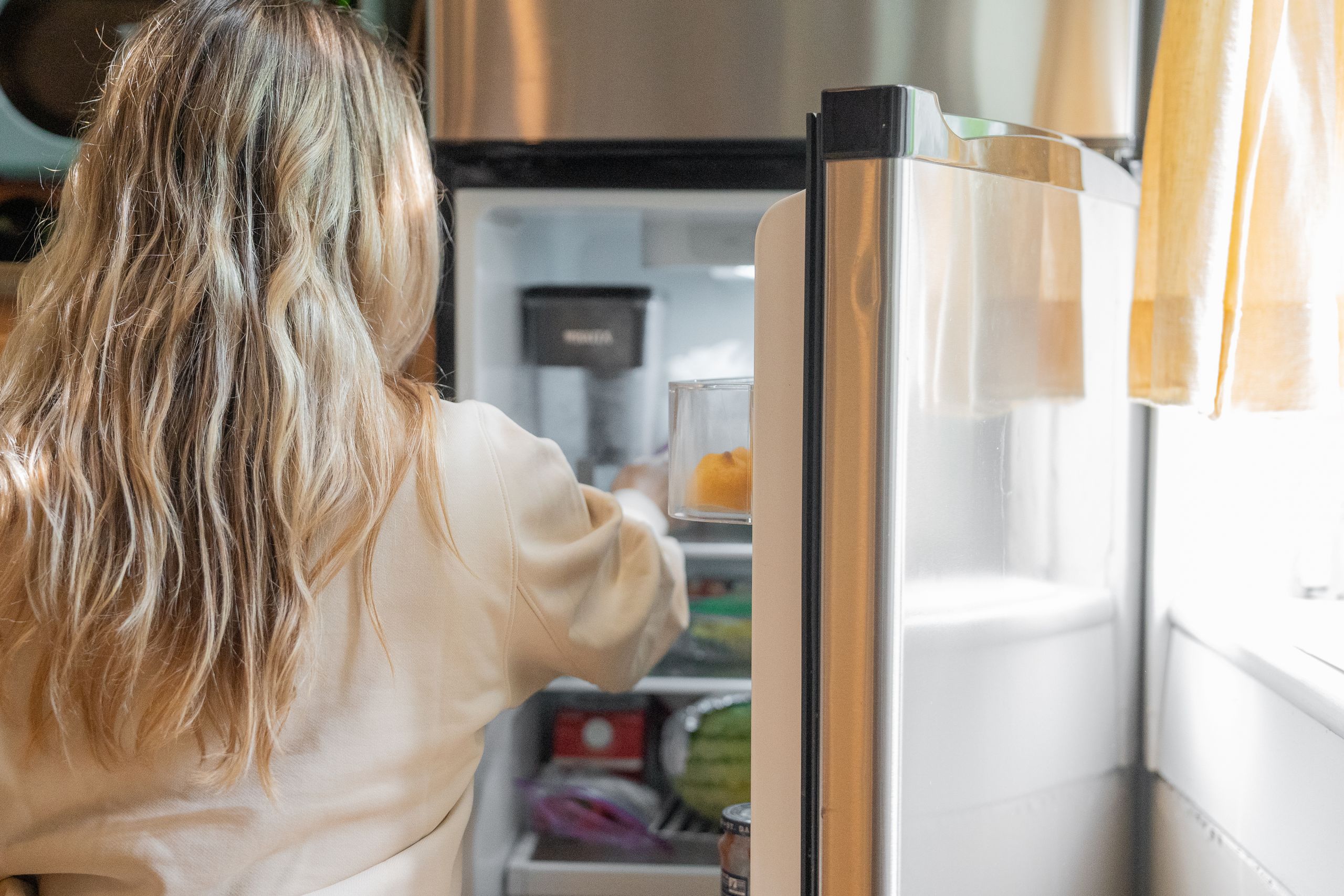
The FDA says putting hot food in the refrigerator won’t harm the appliance. What matters is keeping the fridge at 40°F (about 4°C) or below and giving cold air space to circulate. If the shelves are packed after a big dinner, make room for the leftovers before you start filling containers. An inexpensive refrigerator thermometer can tell you how cold the fridge actually is, which is more useful than guessing from the temperature dial. FDA
A good habit is to grab the containers while you’re clearing the table. Put tomorrow’s lunch in one, split the rest into portions, and cover them before putting them away. If you’ve cooked enough for several meals, label each container with the date. That little note is handy when two nearly identical tubs of soup wind up next to each other. ask.fsis.usda.gov
Give leftovers a plan before you put them away.
The USDA recommends using refrigerated leftovers within three to four days or freezing them for longer storage. If you know you’ll eat the chili for lunch tomorrow, keep a serving in the fridge. If you made enough to feed the family again next week, freeze those portions while you’re packing up. Portioning before freezing also makes it easier to pull out one meal at a time. ask.fsis.usda.gov
If dinner sat out past the recommended time, throw it away. Some bacteria can produce toxins that survive reheating, so bringing yesterday’s soup back to a boil can’t undo hours on the counter. This applies to takeout, too. If you’re saving part of a meal for later, put it away as soon as you get home, as long as it’s still within the recommended window. FDA
The next time you’re cleaning up after dinner, pack the leftovers before you tackle the dishes. A few shallow containers let you put away a meal while it’s still warm and make tomorrow’s lunch easier to find.