Category: Lifestyle
Keeping a home clean and organized can feel like a never-ending responsibility. There is always another surface to wipe, another load of laundry to fold, or another room that needs attention. For many people, the problem isn’t that their homes are too dirty. It is that they spend time repeating tasks that could be simplified.
Some household routines are useful, but others become habits simply because people have always done them that way. With modern appliances, better cleaning products, and more practical storage options, certain chores no longer need to take as much time as they once did.
Here are 11 everyday household tasks that may be taking more effort than necessary.
Folding Every Single Piece of Clothing
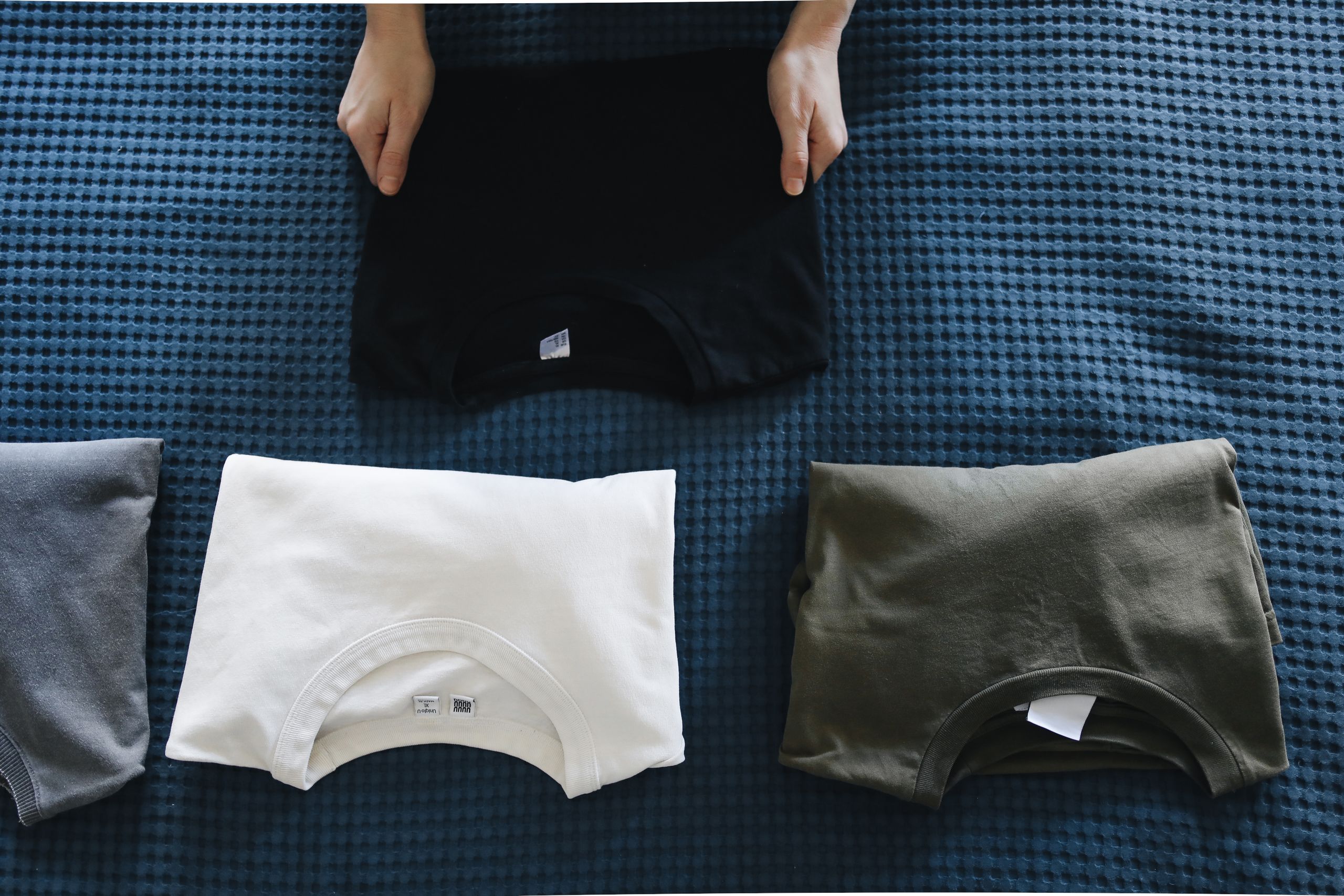
Folding clothes neatly can make a wardrobe look attractive, but not every item needs the same treatment. Spending several minutes folding underwear, sleepwear, or clothes that will be worn around the house may not be the best use of time.
Small items can be placed in separate drawer organizers or storage compartments. You can also fold everyday T-shirts instead of arranging them into perfect stacks.
The goal should be to make clothes easy to find and keep clean, not to turn every drawer into a showroom. A practical system that takes five minutes is often better than a perfect arrangement that takes half an hour.
Cleaning Windows Too Frequently
Windows collect dust, fingerprints, and marks, but that doesn’t mean every window needs a full cleaning every week.
A quick wipe of visible fingerprints or spills may be enough between deeper cleaning sessions. Windows exposed to heavy traffic, rain, or outdoor dust may need more frequent attention, but other windows can wait.
Cleaning them too often wastes time and cleaning products without making a meaningful difference.
Making the Bed Immediately After Waking Up
A neatly made bed can make a bedroom look organized, but you don’t need to rush through the process the moment you get up.
Bedding can retain some moisture from overnight sweating. Pulling everything tightly together right away may slow drying. Leaving the covers turned back for a while lets the bedding air out before you make the bed.
This does not mean abandoning bedroom cleanliness. It simply means giving the bedding time to breathe before arranging it.
Ironing Clothes That Do Not Need It
Some people iron almost every item of clothing, including casual clothes that will only be worn at home.
However, not every fabric needs ironing. Many modern fabrics are designed to resist wrinkles, and some casual items look perfectly presentable without being pressed.
Removing clothes promptly from the washing machine or dryer, following the care label, and hanging them properly can also reduce wrinkles.
Of course, workwear, formal clothing, and garments that genuinely need pressing should still receive attention. The unnecessary part is treating every item as though it must look ready for a formal event.
Washing Towels After Every Single Use
Bath towels don’t necessarily need to be washed after every shower; you can reuse them if they dry completely.
The more important issue is keeping them clean, dry, and properly stored. A towel that stays damp for long periods can develop unpleasant smells and become a breeding ground for microorganisms.
Use a clean towel, hang it where air can circulate, and wash it regularly. If it becomes dirty, smells unpleasant, or remains damp, replace it sooner.
Sweeping Before Every Vacuuming Session
Some households sweep the entire floor before vacuuming. While this may help in some situations, it can be unnecessary when the vacuum is designed for both carpets and hard floors.
Many modern vacuum cleaners come with attachments that can collect dust, crumbs, and hair from different surfaces.
Instead of automatically sweeping first, check the manufacturer’s instructions and use the correct attachment. Larger objects should still be picked up before vacuuming.
Running a Prewash Cycle for Ordinary Laundry
A prewash cycle can help with heavily soiled clothes, but everyday laundry may not need it.
An extra cycle can increase the time and water used for a load. If clothes are only lightly worn, the normal wash program may be sufficient.
Heavily muddy clothing, workwear, and stubborn stains are different. Those items may need pretreatment or a prewash, depending on the fabric and washing machine instructions.
The important thing is to choose the cycle based on how dirty the clothes actually are.
Rinsing Dishes Before Loading the Dishwasher
Some people spend several minutes washing dishes at the sink before placing them inside the dishwasher. This can defeat much of the appliance’s purpose.
Many modern dishwashers are designed to handle ordinary food residue. Scraping leftover food into the bin is usually enough before loading.
However, follow the instructions for your dishwasher, as older models may have different requirements.
Related: 4 Ways Your “Food Storage Routine” Is Slowly Emptying Your Wallet
Reorganizing the Same Storage Areas Repeatedly
Rearranging cupboards and drawers can make a home feel fresh, but doing it repeatedly without changing the storage system can waste time.
For example, moving kitchen utensils from one drawer to another every few weeks doesn’t solve the underlying problem if the items are still hard to access.
A better approach is to assign specific spaces to frequently used items. Keep cooking tools near the area where they are needed and place everyday products where they are easy to reach.
Once a system works, give it time before changing it again.
Disinfecting Every Surface During Every Cleaning Session
Cleaning and disinfecting are not the same thing. Cleaning removes dirt and many germs from surfaces, while disinfecting uses products designed to kill germs.
Not every surface in a home needs to be disinfected every time it is wiped. Routine cleaning with an appropriate household cleaner may be sufficient for many low-risk areas.
Kitchen food-preparation surfaces, frequently touched objects, and areas contaminated by bodily fluids may require additional attention. Always follow product instructions and never mix cleaning chemicals.
Cleaning the Entire House Every Day
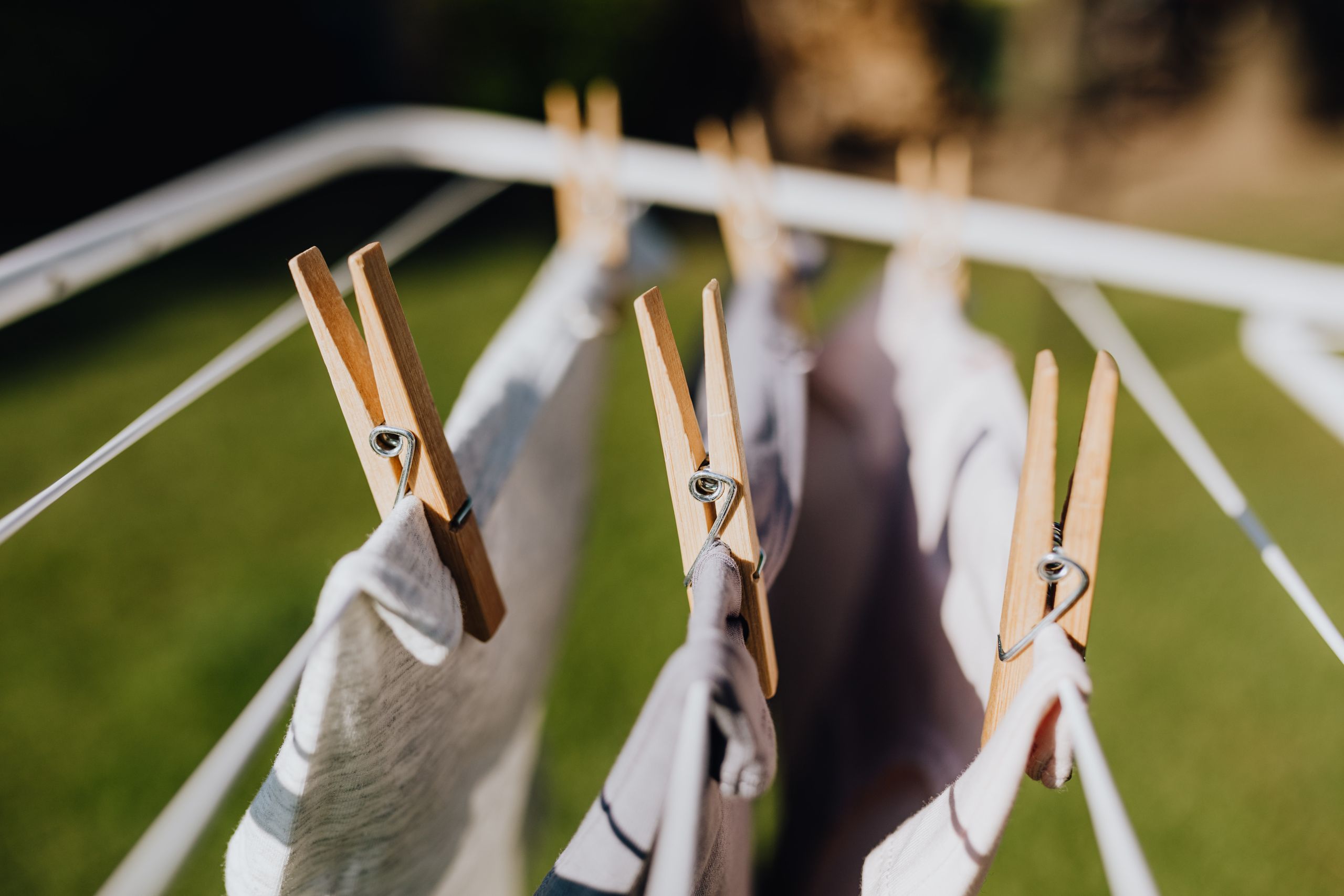
A home does not necessarily need a complete deep-cleaning session every day. Trying to make every room spotless can leave people exhausted and make household responsibilities feel overwhelming.
A more manageable routine separates daily maintenance from occasional deeper cleaning.
For example, dishes and food spills can be handled daily, while cleaning windows, moving furniture, and washing curtains can be scheduled less frequently.
This approach helps prevent dirt from building up without turning every day into a major cleaning project.
Related: Never Buy These 8 Foods Again, They’re Cheaper to Make at Home
Final Thought
A clean home does not have to come at the cost of every free hour. Sometimes, the best way to improve a cleaning routine is to question which tasks genuinely make a difference and which ones are repeated out of habit.
By simplifying unnecessary chores, households can save time, reduce stress, and still maintain a comfortable living environment. The goal isn’t to stop cleaning. It is to clean more intelligently