Some dinners are so familiar that we barely give them a second thought. A bubbling slice of pizza, a cheeseburger stacked high with toppings, or a creamy bowl of pasta can make an ordinary evening feel like a little celebration.
But here’s something worth remembering: a dish’s name doesn’t always tell you everything about what’s in it.
The FDA identifies pizza, burgers, soups, and mixed pasta dishes among the major categories of packaged and prepared foods it examines. And within those categories, recipes, ingredients, and serving sizes can vary considerably.
That’s why looking beyond a delicious menu description can make choosing dinner more interesting.
From smoky sausages to raw oysters, these nine familiar foods show how ingredients, preparation methods, and small cooking decisions can create very different dining experiences.
Hot Dogs and Sausages: There’s More to the Recipe Than Meat
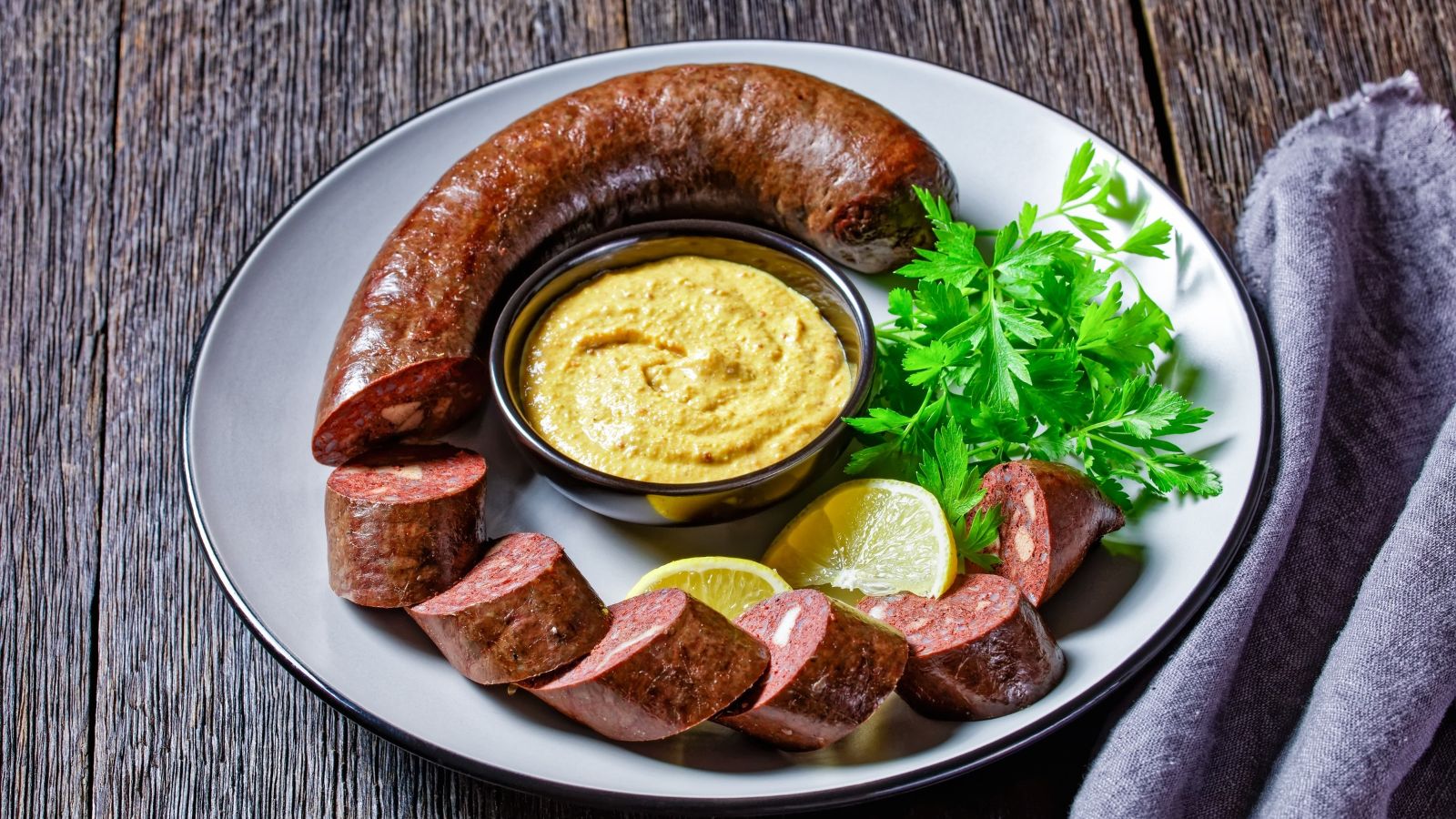
A hot dog sizzling on the grill has a certain charm. Add a soft bun and your favorite condiments, and dinner suddenly feels like a backyard gathering. But hot dogs and sausages aren’t all prepared the same way.
The World Health Organization describes processed meats as products preserved through methods such as curing, salting, and smoking. Those techniques help explain why different sausages have distinct flavors and textures.
Before choosing one, check the ingredient list and preparation method. A smoked sausage offers a different experience from a freshly prepared meat dish.
Sometimes, understanding the recipe is just as satisfying as choosing the toppings.
Pizza: The Toppings Can Change the Entire Experience
Pizza might be one of the most flexible dinners around. A simple cheese pizza offers something completely different from a pie loaded with cured meats, extra cheese, and rich sauces.
Even though both are called pizza, their ingredients and flavor profiles can be worlds apart. The FDA identifies pizza as an important category of prepared foods, but that broad classification covers many different recipes.
When ordering, look beyond the name and consider the crust, cheese, sauce, toppings, and portion size. If you prefer a lighter-tasting combination, a simpler topping selection may be more appealing.
The beauty of pizza is that there’s rarely just one way to enjoy it.
Cheeseburgers With Bacon: Every Layer Changes the Bite
A cheeseburger can look straightforward until the toppings begin piling up.
There’s the beef patty, melted cheese, crispy bacon, sauces, and perhaps a generous side of fries. Each ingredient brings a different flavor and texture.
Bacon also falls into a different preparation category than an ordinary beef patty because it’s preserved or processed. That distinction can matter when you’re comparing burgers that otherwise look similar on a menu.
Before ordering, check what comes with the sandwich and which additions cost extra. A thoughtfully assembled burger can be memorable without every available topping.
Sometimes, the simplest combination lets the main ingredients shine.
Creamy Pasta: The Sauce Tells the Real Story
Few things feel as comforting as a bowl of pasta coated in a silky sauce. But pasta dishes can vary enormously depending on what goes into that sauce.
Some preparations rely on butter, cheese, and creamy dairy ingredients. Others use tomato-based sauces with a completely different character.
Packaged pasta meals may also contain prepared sauces or seasoning mixes.
Rather than judging every pasta dish by the same standard, look at the actual recipe. Ask whether the sauce is cream-based, cheese-heavy, or built around tomatoes and seasonings.
That small question can help you choose a pasta dinner that matches your preferences. After all, the pasta shape is only half the story. The sauce gives the dish its personality.
Canned Soup and Instant Noodles: Convenience Comes in Many Forms
Some evenings, a bubbling homemade pot of soup sounds wonderful. Other nights, opening a can or preparing instant noodles feels much more practical. Both approaches have their place in the kitchen.
However, prepared soups, packaged mixes, and instant noodle products can differ considerably in seasoning, ingredients, and serving size.
The FDA’s guidance on packaged foods emphasizes checking the information provided on individual products rather than assuming every package is the same.
For a practical comparison, look at how many servings a container provides and what preparation steps are required.
A simple label check can reveal quite a bit about the dinner you’re planning.
Frozen Ready Meals: One Label Doesn’t Describe Them All
The freezer can be a wonderful place to find a convenient dinner. But the phrase frozen meal tells you surprisingly little about what you’re actually buying.
One package might contain pasta with sauce, another a meat-based entrée, and another a collection of separate components. Their ingredients and preparation directions may differ completely.
Freezing itself is a storage and preparation method, not a complete description of how a dish was made. That distinction gets lost when every frozen dinner is treated as though it belongs to one identical category.
Before choosing, compare the actual meal components, package size, and cooking instructions.
The best option for a busy evening is the one that suits your appetite, schedule, and expectations.
Heavily Charred Meat: There’s a Difference Between Browned and Blackened
The smell of meat cooking over a hot grill can make dinner feel like an occasion. But there’s an important culinary distinction between an appealing browned exterior and a heavily charred one.
High-temperature cooking, especially over direct flames, creates distinctive changes on the meat’s surface.
The National Cancer Institute’s published explanation of high-temperature meat cooking describes how cooking temperature, smoke, and direct flame exposure affect the process.
For home cooks, this is a reminder that controlling heat matters. Turning meat during cooking and watching the level of browning can produce a different finished texture.
If you’re ordering grilled meat, consider specifying how you’d like it cooked rather than leaving the result entirely to chance.
Spicy and Tomato-Based Dinners: Flavor Intensity Is Personal
Some dinners arrive with a fiery kick. Others deliver the sharp, bright character of tomatoes and acidic ingredients. Both can be delicious, but they’re not interchangeable experiences.
A spicy dish might rely on peppers and seasonings, while a tomato-based sauce can bring its own tangy flavor even without much heat. That distinction matters when you’re choosing between menu descriptions such as spicy, rich, tangy, or creamy.
Instead of assuming every bold-flavored meal tastes alike, ask about the dominant ingredients. If you prefer gentler flavors, consider whether a less spicy preparation is available.
Dinner should suit your palate, and there’s nothing wrong with asking questions before committing to a sauce.
Raw Oysters: Preparation Makes All the Difference
Few restaurant foods create quite the same sense of occasion as oysters presented on a chilled platter. Often served with lemon wedges or hot sauce, raw oysters have a distinctive presentation that makes them immediately recognizable.
But raw and cooked oysters are different preparations, and the distinction shouldn’t get lost behind the garnishes.
The CDC explains that lemon juice and hot sauce do not cook raw oysters. If you prefer a cooked preparation, ask what options the restaurant offers rather than assuming the condiments change the dish itself.
This is one example where knowing exactly how something is served matters more than the elegance of its presentation.
A beautiful plate should still come with a clear description.
What These Nine Dinner Favorites Have in Common
The most useful lesson isn’t that familiar dinners should disappear from your table. It’s that broad food names often hide important differences in ingredients, preparation, and presentation.
A sausage can be smoked or prepared in different ways. A pizza can be simple or heavily topped. A pasta dish can revolve around tomatoes, cheese, or cream.
Even frozen meals and soup products deserve individual attention, not assumptions based on their category.
The next time you’re studying a menu or browsing the grocery aisle, take a moment to look beyond the name. Ask what goes into the dish, how it’s prepared, and what kind of experience you’re actually looking for.
Because sometimes, the secret to a satisfying dinner isn’t choosing something entirely new. It’s understanding the familiar favorites a little better.