Some dinners are wonderful straight from the stove. Others seem to have more personality when you open the refrigerator the next evening. The spices feel more settled, the sauce tastes richer, and yesterday’s leftovers suddenly feel worth looking forward to.
But does food really improve overnight?
Food writer J. Kenji López-Alt investigated the question for Serious Eats, comparing freshly made dishes with older batches. His experiments found noticeable changes in chili, while beef stew and tomato soup showed much smaller differences.
The lesson? Some dishes benefit from resting, but it’s no guarantee. From slow-cooked curries to comforting pasta bakes, these 11 foods are particularly interesting candidates for tomorrow’s dinner.
Chili: A Mellow Bowl the Following Day
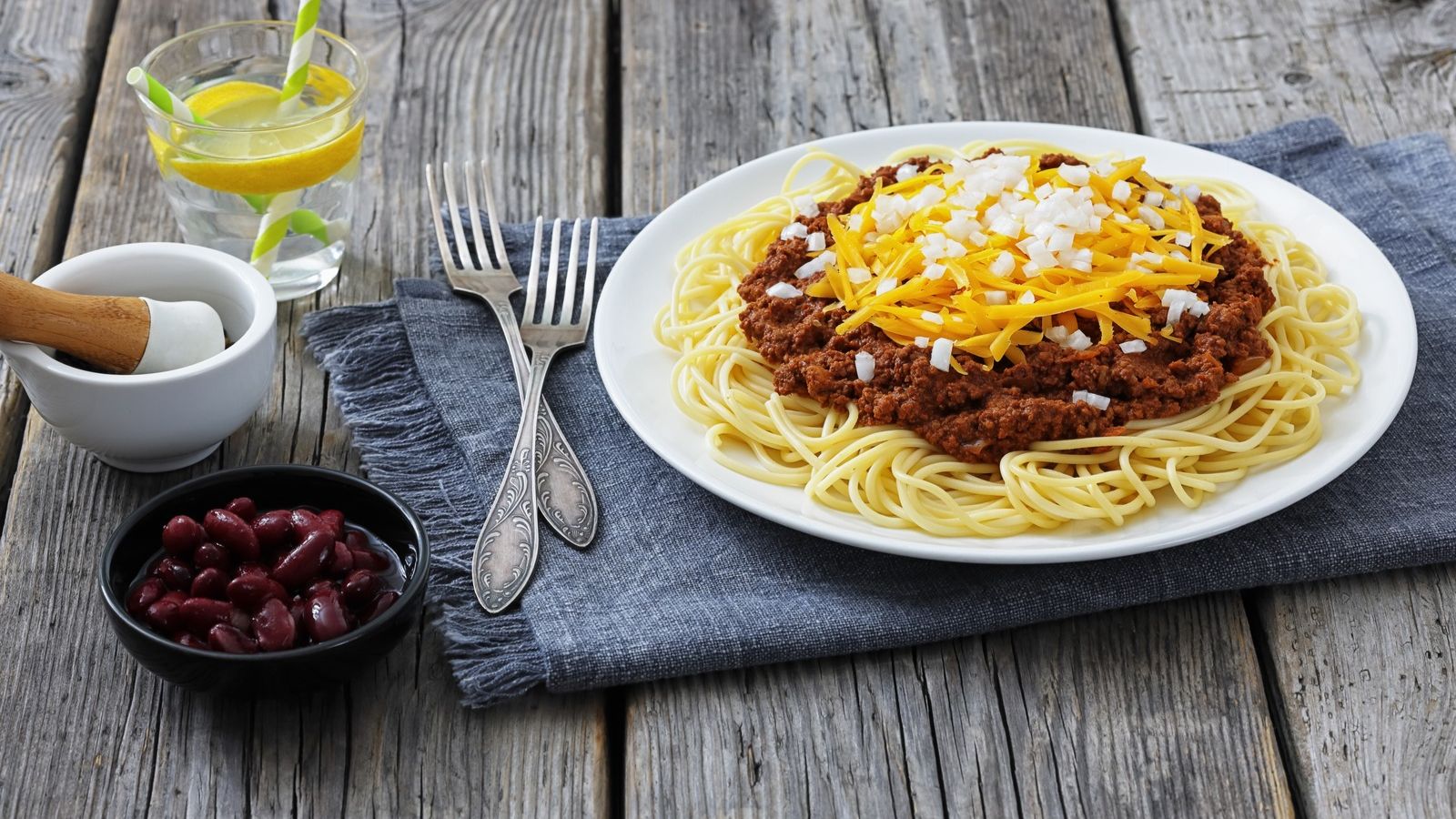
Chili might be the most convincing example of a dish that changes noticeably after resting.
In Serious Eats’ comparative testing, López-Alt found that older chili developed a more rounded, mellow flavor.
The sharpness and heat became less pronounced, creating a different balance from the freshly cooked version.
Whether that’s an improvement depends on your preference. Anyone who loves bold heat might prefer chili straight from the pot.
But if you enjoy a gentler blend of spices, tomorrow’s bowl could be especially appealing.
Beef Stew: When Vegetables Take On More Flavor
A pot of beef stew already has everything a comforting dinner needs: tender meat, vegetables, and a rich broth.
Yet an overnight rest can change certain details.
López-Alt’s kitchen testing found that the carrots, potatoes, and onions in older stew tasted slightly sweeter and seemed to absorb more of the surrounding broth’s flavor.
Interestingly, the beef itself tasted almost identical to the freshly prepared version.
The differences were subtle, and the tester couldn’t confidently declare the older stew superior.
Still, for someone who enjoys deeply flavored vegetables, a refrigerated portion reheated the following day may be worth anticipating.
Tomato Soup: Sweeter, but a Little Less Bright
Tomato soup can be comforting in any season, especially alongside a familiar sandwich.
But the flavor can shift after resting overnight.
In the same Serious Eats experiment, older tomato soup tasted slightly sweeter than the freshly made batch.
However, it also lost some of its original brightness.
López-Alt gave the rested version a very slight preference, although the difference was hardly dramatic.
This is one of those dishes where your taste decides the winner.
If you appreciate tomatoes’ lively acidity, you might still prefer the freshly cooked soup.
Chicken Korma: Spices That Settle Into the Sauce
A good chicken korma combines a creamy sauce with an aromatic spice blend.
Some recipe developers also prepare it ahead of time.
Good Food’s chicken korma recipe notes describe how the spices can develop and mellow overnight.
That means a bowl prepared for tomorrow may taste softer and more integrated than one served immediately.
This is the recipe author’s assessment, not evidence that every curry improves with storage.
Still, korma offers a practical advantage for anyone planning a dinner. The main cooking can be completed before the day you intend to serve it.
Lamb Tagine: A Fragrant Dish Worth Making Ahead
Lamb tagine combines slow-cooked meat, aromatic spices, and sweet ingredients in a richly flavored sauce.
Good Food recipe developer Barney Desmazery recommends preparing his fruity lamb tagine a day ahead.
He finds the flavors deepen overnight, making the dish especially suitable for make-ahead prep.
His recipe combines lamb with ingredients including carrots, chickpeas, and dried apricots.
For an enjoyable contrast, he recommends adding toasted almonds or pistachios shortly before serving.
That way, the stew rests while the final topping stays crunchy.
Related: The Cozy Soup Formula You’ll Want on Repeat When Dinner Feels Impossible offers practical ideas for creating deeply flavored soups at home.
Chicken Paprikash: Better When the Finishing Touch Waits
Chicken paprikash is another comforting dish that can fit beautifully into a make-ahead cooking schedule.
Its paprika-rich sauce surrounds tender chicken, making a hearty meal that pairs well with potatoes, noodles, or rice.
Good Food’s chicken paprikash recipe recommends preparing the dish ahead because its flavors develop further by the following day.
There’s one important finishing detail.
Recipe author Samuel Goldsmith advises adding the soured cream during reheating, shortly before serving.
That separates the overnight flavor development from the final creamy texture.
It’s a useful reminder that preparing ahead doesn’t always mean finishing every step right away.
Romanian Cabbage Rolls: A Traditional Dish Worth Revisiting
Romanian cabbage rolls, known as sarmale, offer another example of a dish that can reward patience.
These carefully prepared rolls are simmered together, allowing their fillings and surrounding flavors to develop during cooking.
In her Good Food recipe, Irina Georgescu notes that sarmale can be served immediately but are even better the next day.
That’s a personal culinary judgment from a recipe author, not a universal tasting result.
Nevertheless, it makes cabbage rolls an appealing choice for a planned family meal.
Preparing them ahead also means less last-minute work when everyone gathers around the table.
Spinach-and-Ricotta Lasagne: Layers With More Time to Settle
Few meals bring as much comfort as a generous slice of lasagne.
Layers of pasta, spinach, ricotta, and sauce create a satisfying mix of flavors and textures.
Good Food’s spinach-and-ricotta lasagne recipe notes suggest that the dish’s flavors improve after resting overnight.
The author also recommends reheating leftovers in the oven.
This doesn’t establish that every lasagne tastes better the next day.
But it does make this recipe a useful option for cooks who prefer to prepare dinner in advance.
And there’s something particularly appealing about knowing tomorrow’s meal is already waiting in the refrigerator.
Eggplant Caponata: A Sicilian Favorite That Rewards Patience
Caponata brings together eggplant and other ingredients in a sweet-and-sour Sicilian preparation.
Its lively flavor combination makes it an especially good candidate for an overnight rest.
Serious Eats recommends making its eggplant-and-pine-nut caponata ahead, noting that refrigeration improves the flavor.
Bon Appétit also publishes a caponata recipe that works well when made a day in advance.
Those recommendations aren’t identical evidence: one explicitly praises the flavor after resting, while the other confirms make-ahead convenience.
Still, they support treating caponata as something you can prepare before a gathering rather than rushing to finish at the last minute.
Chickpea Salad: When the Dressing Has More Time
Not every make-ahead dish needs a slow cooker or a bubbling pot.
A chickpea salad can also benefit from a little patience.
Serious Eats recommends letting its mix of chickpeas, celery, shallots, parsley, and cumin vinaigrette rest overnight.
The idea is to give the chickpeas and vegetables time with the seasoned dressing.
Unlike delicate leafy salads that can lose their crisp texture, this preparation is designed to be made ahead.
The recommendation applies to this recipe, not every salad imaginable.
If your salad includes fragile greens or crunchy toppings, consider adding those components closer to serving time.
Eggplant Parmesan: A Comforting Make-Ahead Bake
Eggplant Parmesan brings together eggplant, tomato sauce, and cheese in a comforting baked dish.
Bon Appétit’s eggplant recipe collection recommends preparing this favorite a day ahead, noting that its flavors can improve after a night in the refrigerator.
That makes it an appealing option when you want to finish the main cooking before guests arrive.
However, flavor and texture are different.
A rested casserole may develop an enjoyable balance of flavors without preserving the freshly crisp texture of every breaded layer.
For anyone who values convenience and a rich, saucy finish, the following day’s portion may still be especially satisfying.
The Secret Isn’t Waiting Longer. It’s Knowing What to Make Ahead.
The most useful lesson from these 11 dishes is that overnight resting can change flavors, but it doesn’t transform every meal into something better.
Serious Eats found the clearest difference in chili, with subtler changes in beef stew and tomato soup. Recipe developers also favor making dishes like tagine, paprikash, cabbage rolls, and caponata ahead.
The practical trick is to plan around the recipe. Let the main dish rest in the refrigerator, then add fresh herbs, crunchy toppings, or creamy finishing ingredients at the appropriate stage.
For ordinary leftovers, the USDA recommends refrigerating food promptly, using shallow containers and keeping most refrigerated leftovers for three to four days.
Sometimes, the best part of cooking a wonderful dinner is discovering that tomorrow’s portion is something to look forward to as well.