History does not disappear simply because a webpage vanishes. But when official government records celebrating military heroes suddenly return a “page not found” message, the removal raises serious questions about who decides which stories remain visible.
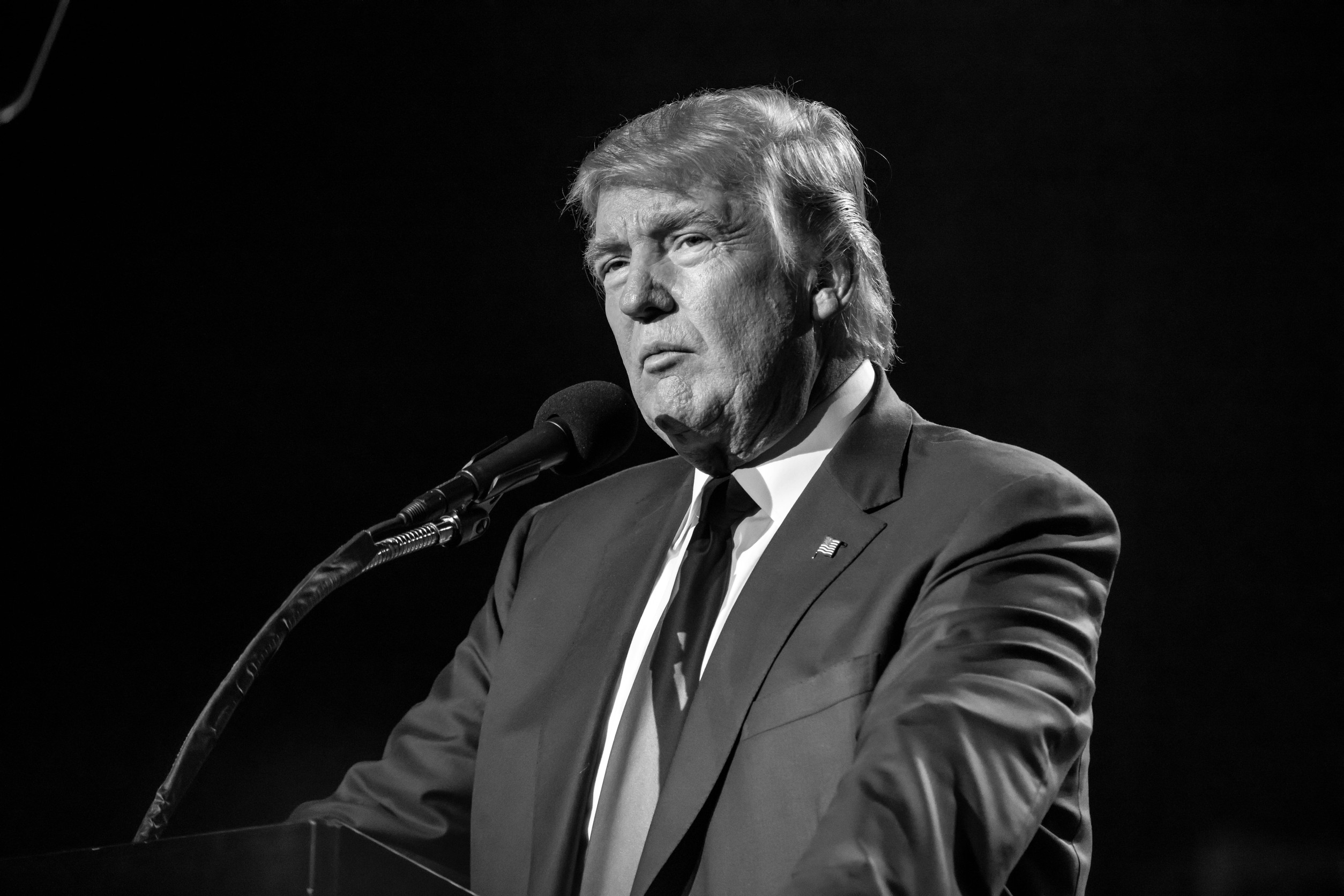
That concern erupted in 2025 after Defense Department pages honoring Jackie Robinson, the Tuskegee Airmen, the Navajo Code Talkers and other minority service members were removed during the Trump administration’s purge of diversity, equity and inclusion material. The pages were later restored, but the controversy never fully disappeared. Now, President Donald Trump has intensified his campaign to reshape how American history is presented by targeting the Smithsonian’s National Museum of American History.
The viral claim that Trump “erased” these heroes and that Republicans now want to erase Black history contains an important mixture of fact and political interpretation. The webpages were removed, but many were restored. What is undeniable is that the administration has launched a formal effort to change the historical narratives presented at federally connected museums.
Military heroes were caught in the anti-DEI cleanup
In March 2025, the Pentagon removed online material connected to Jackie Robinson’s military service, the Tuskegee Airmen, the Navajo Code Talkers, Black Medal of Honor recipients and the highly decorated Japanese American 442nd Regimental Combat Team.
The removals occurred during a sweeping review of thousands of Defense Department articles, photographs and videos. Officials were attempting to comply with orders eliminating material classified as promoting diversity, equity and inclusion. According to NPR, the review relied in part on broad search terms, which produced unexpected results. Even images associated with the Enola Gay, the aircraft that dropped the atomic bomb on Hiroshima, were reportedly flagged because its name contained the word “gay.”
Public outrage followed quickly. The Pentagon restored several pages, including those honoring Robinson, the Tuskegee Airmen, and the Navajo Code Talkers. Pentagon spokesperson John Ullyot said that when material outside the intended scope was removed, whether “deliberately or by mistake,” officials would correct it. He insisted that the department wanted to recognize military heroes for their patriotism rather than view their achievements primarily in terms of race or ethnicity.
That distinction did little to calm critics. Jackie Robinson was not simply a soldier who later played baseball. His confrontation with military segregation was part of his public record. The Tuskegee Airmen’s accomplishments cannot be separated from the discrimination they faced while defending a country that denied Black Americans equal treatment. Removing race from those stories does not make the history neutral. It risks making the history incomplete.
The Smithsonian is now at the center of the fight

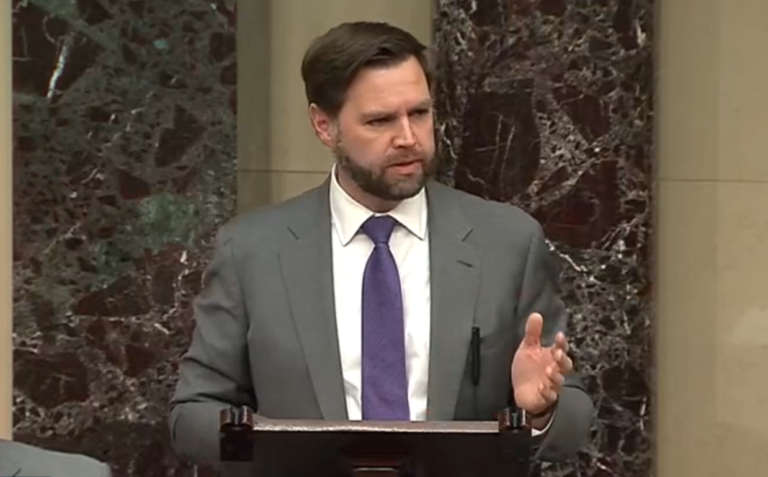
Trump’s campaign moved beyond military websites on March 27, 2025, when he signed an executive order titled “Restoring Truth and Sanity to American History.” The order accused museums of replacing objective history with narratives portraying the United States as inherently racist, sexist, and oppressive. It directed Vice President JD Vance and other officials to work through the Smithsonian’s governing structure to remove what the administration called “improper ideology.”
The effort escalated in July 2026. A 162-page White House report accused the National Museum of American History of minimizing the Founders, focusing too heavily on oppression and using museum exhibits to promote progressive activism. The report argued that the museum should discuss slavery, injustice and the mistreatment of Native Americans, but should place those subjects inside a more celebratory story of national progress.
On July 24, Trump issued another executive order directing officials to install temporary signs outside the museum. The signs are expected to tell visitors that exhibits should be renovated and guide them toward sources the administration considers more historically accurate. The order also calls for temporary displays challenging information presented inside the museum. Because the Smithsonian is not part of the executive branch, the signs would be placed on surrounding property maintained by the National Park Service.
Is this an attempt to erase Black history?
“Erase” is a politically charged word. The administration says it is restoring balance, patriotism and national pride. Its official documents do not call for eliminating every discussion of slavery, segregation or racism. They argue that those subjects should not dominate the American story.
Critics see something more dangerous. Black history frequently forces the nation to confront the gap between its founding promises and the reality millions of Americans experience. A version of history designed primarily to inspire pride could soften slavery, Jim Crow, racial violence and government discrimination until those events appear secondary rather than central to understanding the country.
National Museum of American History Director Anthea Hartig rejected the White House’s description of the institution. In congressional testimony, she said the museum operates under standards of “scholarship, accuracy, independence, and nonpartisanship.” She argued that adding previously excluded voices is not the same as erasing traditional history and said examining America’s failures does not amount to hostility toward the country.
The verified record therefore shows two related developments. First, government webpages honoring minority military heroes were removed during an anti-DEI sweep and later restored after criticism. Second, the Trump administration is actively pressuring the Smithsonian to revise how it presents American history.
Whether that campaign is described as correction or erasure depends partly on political perspective. But the stakes are real. A nation does not prove its greatness by hiding its wounds. It proves its strength by telling the complete story, including the courage of those who served America even when America refused to treat them equally.