People do not always lose years to a single dramatic disaster. Sometimes the theft is quieter. It hides in the snooze button, the drive-thru bag, the office chair, the evening drink, the ignored doctor appointment, and the phone screen glowing in bed long after midnight.
That is what makes modern life so dangerous. Many unhealthy habits no longer look reckless. They look normal. Everyone is tired. Everyone is stressed. Everyone is eating too fast, sitting too long, sleeping too little, and pretending burnout is just part of being responsible.
The scary part is that the body keeps receipts. It may not complain loudly at first, but over time, small daily patterns can become serious health risks. These modern routines may quietly steal years before people realize the bill has arrived.
Treating Sleep Like a Luxury
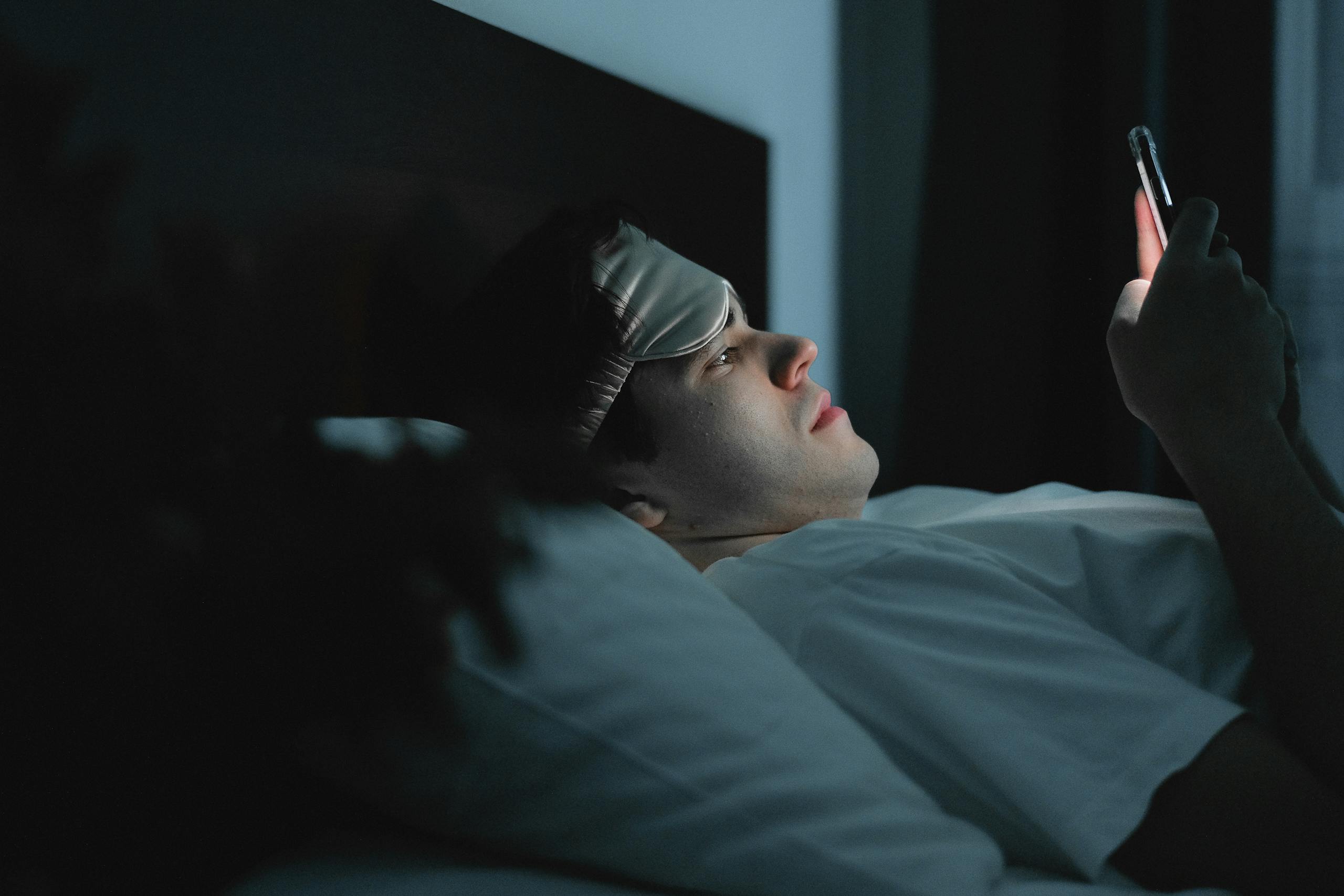
Sleep has become the first thing people sacrifice when life gets busy. Work runs late, kids need attention, bills need paying, shows need streaming, and the phone somehow becomes most interesting when the body should be shutting down. People call it hustle, but the body calls it debt.
Poor sleep does more than make someone cranky at breakfast. Adults are generally advised to get at least 7 hours of sleep each day, and short sleep duration can be a warning sign that the body is running without enough repair time. A person can survive on little sleep for a while, but surviving is not the same as living well.
The danger is that exhaustion becomes normal. People wake up tired, drink caffeine, push through the day, scroll late, and repeat the cycle until their bodies forget what real rest feels like. Sleep is not laziness. It is maintenance.
Sitting Like Your Body Was Built for a Desk
Modern life has turned many people into professional sitters. They sit at work, sit in traffic, sit through dinner, sit on the couch, then sit in bed while scrolling. The body was built for movement, but the average day now treats movement like an optional hobby.
Movement is not just about looking fit. Regular physical activity helps reduce the risk of major chronic diseases and offers benefits such as better heart health, stronger mental health, and improved overall well-being. A person does not have to become a marathon runner, but the body needs more than a walk from the parking lot to the office fridge.
This habit is sneaky because sitting does not feel dangerous. It feels harmless, comfortable, even productive. But a life lived mostly in chairs can slowly make the body older than the birth certificate says.
Eating Like Every Meal Is an Emergency
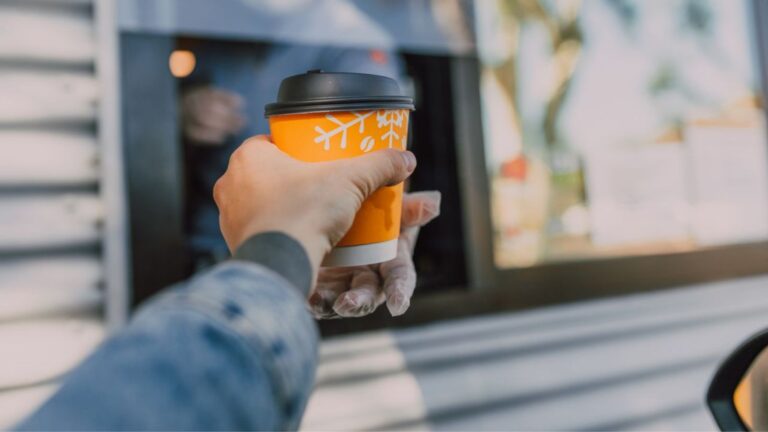
Fast food is not just food anymore. It is a rescue plan for people who are tired, broke, rushed, and out of options. The problem is that when every meal is chosen in a panic, the body ends up living on convenience rather than nourishment.
A quick burger, a sweet drink, a frozen meal, or a gas station snack may satisfy hunger for an hour, but the long-term cost can be heavy. Current adult obesity statistics show how common excess weight has become, and that matters because obesity is closely tied to diabetes, heart disease, and other serious health problems.
This is not about shaming people for being busy. Modern life often makes the unhealthy choice the easiest one. But the body does not care why the habit started. It only feels the impact.
Drinking to Relax Until It Becomes a Routine

Alcohol has excellent public relations. It shows up at brunch, weddings, work events, vacations, sports bars, and those “I deserve this” nights after a brutal day. Because it is social, many people forget that it can still become a slow health trap.
The danger begins when drinking becomes the main way to relax, sleep, flirt, cope, celebrate, or shut off stress. Scientific reviews continue to connect drinking with several cancers, and the alcohol cancer risk is a reminder that a socially accepted habit can still carry serious long-term consequences.
Not everyone who drinks has a problem. But alcohol can quietly affect sleep, mood, liver health, relationships, decision-making, and long-term disease risk. If the glass has become the only way to feel calm, it may no longer be just a glass.
Smoking and Vaping Like the Body Will Forgive Everything
Cigarettes no longer look as glamorous as old movies made them seem, but nicotine did not disappear. It changed outfits. Now it can come through vapes, sleek devices, flavored products, and habits that feel less serious because they do not always smell like smoke.
The body is not fooled by good packaging. Quitting smoking reduces the risk of premature death and many smoking-related diseases, which is why tobacco health effects remain one of the clearest warnings in public health. The harm often builds quietly before the diagnosis arrives.
The cruel thing is how private the habit can feel. Someone steps outside, takes a puff, comes back in, and life continues. But the body is working in the background, absorbing the cost one breath at a time.
Ignoring Blood Pressure Because It Does Not Make Noise
High blood pressure is dangerous because it does not always come with flashing lights. Many people feel fine while pressure quietly damages the heart, brain, kidneys, eyes, and blood vessels. That silence is what makes it so easy to ignore.
People avoid checkups, skip medication, eat too much salt, live under stress, and promise themselves they will deal with it later. But high blood pressure often has no signs or symptoms, even while it raises the risk of serious health damage. Later is where health problems love to grow.
Checking blood pressure is not dramatic, but it can be life-saving. It is one of those boring adult tasks that can protect someone from a much more frightening future. Sometimes the most important warning signs are the ones that do not hurt yet.
Living Lonely While Looking Connected
A person can have hundreds of followers and still have nobody to call when life falls apart. That is one of the strangest tricks of this century. People are more reachable than ever, yet many feel emotionally unseen.
Loneliness is not just a sad feeling. Strong social connection research links isolation with a higher risk of premature death, which makes real relationships more than a soft emotional luxury. A lonely person may eat worse, drink more, move less, sleep badly, or stop caring about small routines that protect health.
Real connection is part of survival. A long phone call, a weekly dinner, a walking buddy, a faith group, a club, a neighbor, or one honest friend can do more for a person’s health than another night of silent scrolling.
Letting Stress Become Your Personality
Stress is supposed to be a signal, not a lifestyle. It is meant to tell the body, “Something needs attention.” But modern life often turns stress into permanent background noise. Bills, emails, deadlines, family pressure, bad news, and digital overload keep the nervous system on high alert.
The body can handle short bursts of stress. It was not designed to live for years like a car alarm that never shuts off. Chronic stress can affect sleep, blood pressure, eating habits, mood, relationships, and the way people cope.
The problem is that stress can start looking like ambition. People call burnout discipline. They call exhaustion success. They call anxiety responsibility. But the body knows the difference between purpose and punishment.
Avoiding Doctors Until Something Breaks
Many people treat doctors like emergency mechanics. They wait until something hurts, swells, bleeds, stops working, or scares them badly enough to make an appointment. By then, the problem may be harder and more expensive to fix.
Preventive care is not exciting, but it matters. Checkups can catch high blood pressure, diabetes, cholesterol problems, certain cancers, infections, dental issues, and other risks before they become emergencies. The earlier a problem is found, the more choices a person usually has.
Of course, people skip care for real reasons. Cost, fear, bad experiences, lack of insurance, long waits, and transportation problems all matter. But avoiding the doctor does not make the problem disappear. It only gives it privacy.
Treating Mental Health Like a Secret Weakness
A person can look successful and still be breaking inside. They can show up to work, answer emails, post smiling photos, make jokes, and still carry depression, anxiety, grief, trauma, addiction, or hopelessness behind the scenes.
Mental health pain can shorten lives directly and indirectly. It can lead to isolation, substance misuse, reckless choices, poor sleep, unhealthy eating, broken relationships, and, in the worst cases, suicide. Current global suicide data shows hundreds of thousands of people die by suicide each year, which is why emotional suffering deserves urgent seriousness.
Getting help is not a weakness. It is maintenance for a mind that has carried too much for too long. Nobody calls a person weak for treating a broken bone, and emotional pain deserves the same seriousness.
Conclusion
The habits that steal years do not always look scary at first. They look like another late night, another skipped walk, another drive-thru meal, another drink, another ignored appointment, another lonely evening, or another stressful week survived by force.
But the body notices patterns. It notices what happens every day, not just what happens once in a while. That is why small changes can matter so much.
Living longer is not about becoming perfect. It is about paying attention before the body has to shout. Sleep more. Move daily. Eat more real food. Drink less. Quit smoking. Check your numbers. Call someone. Ask for help. Boring habits may not look dramatic, but they are often the ones that keep people alive long enough to enjoy the lives they are working so hard to build.