Some sandwiches carry more history than their humble slices of bread suggest. A skillet-fried bologna sandwich can bring back memories of Southern lunch counters, while a sweet Fluffernutter tells a different story about New England food traditions.
American sandwich-making has always had room for unusual combinations. Historical research has even identified a peanut-butter-and-marshmallow sandwich mentioned in a trade publication in 1915, long before many familiar packaged lunch products appeared.
These sandwiches weren’t necessarily popular everywhere, and there’s no reliable evidence that Americans have stopped eating them. Some remain regional favorites, while others survive in family recipes and historical cookbooks.
But each one offers a little taste of America’s culinary past, and perhaps a reason to reconsider what’s going between your next two slices of bread.
Fried Bologna Sandwich: A Southern Lunch Counter Favorite
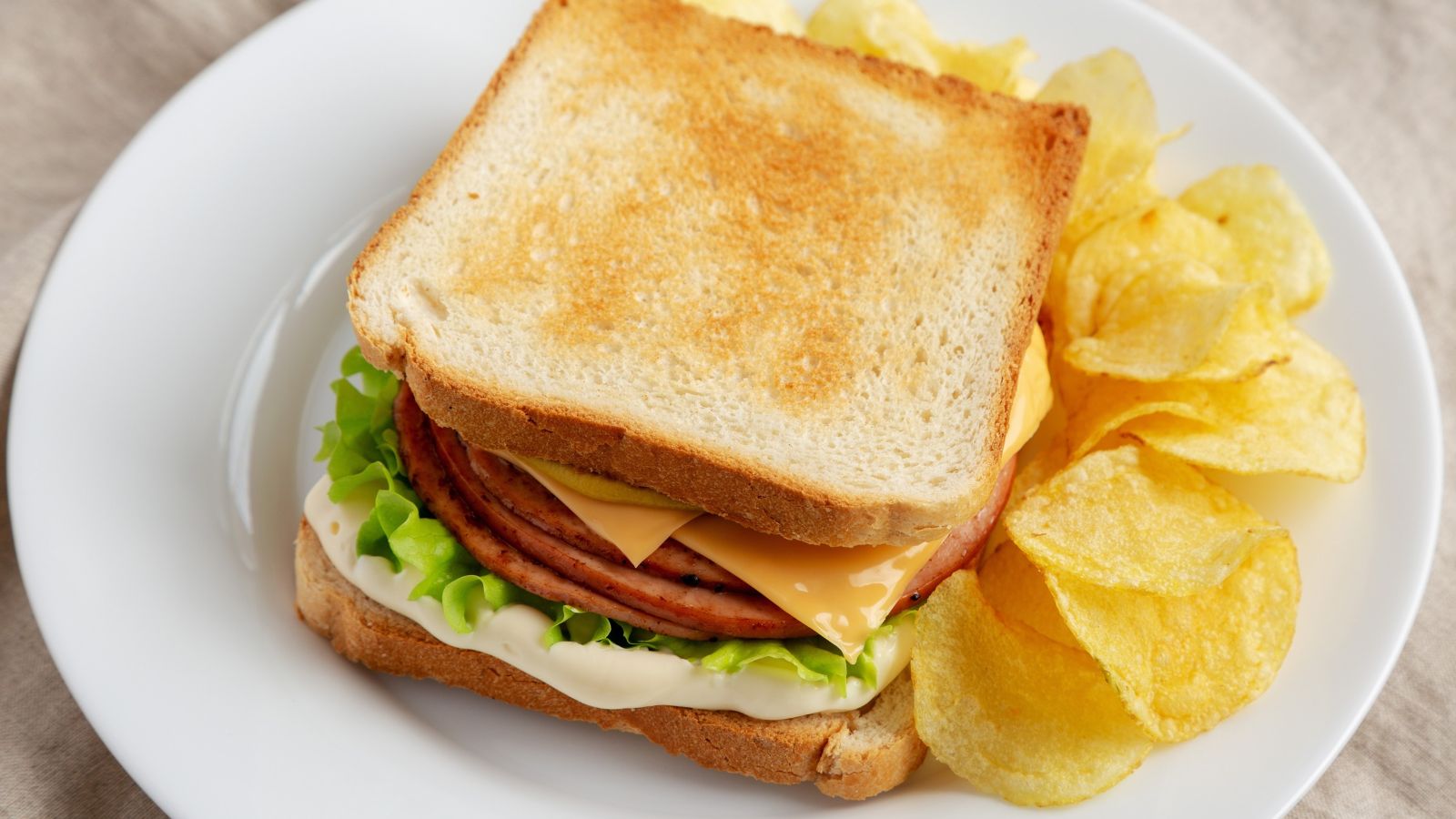
Few things announce lunchtime quite like the sound of bologna sizzling in a skillet. The fried bologna sandwich takes ordinary deli meat and gives it a browned exterior before slipping it between slices of bread. Cheese, mayonnaise, or mustard often complete the combination.
Southern Living documents its place in Southern home cooking and budget-minded lunch-counter traditions. Taste of Home also publishes a version with American cheese and toasted bread.
The appeal is refreshingly uncomplicated. There’s no elaborate sauce or complicated assembly, just a familiar ingredient transformed by a hot pan.
Banana-and-Mayonnaise Sandwich: The Sweet and Savory Surprise
A banana sandwich sounds perfectly ordinary until someone reaches for the mayonnaise. Yet this combination is a documented part of Southern food traditions.
According to Southern Living, the preparation typically involves sliced bananas, soft white bread, and mayonnaise. The fruit brings sweetness, while the mayonnaise adds a creamy, savory contrast. Some households use peanut butter instead, while others combine both spreads.
There’s no verified invention date or single family recipe that defines every version. The sandwich is simply one example of how regional cooks have paired familiar ingredients in unexpected ways.
Pineapple Sandwich: Three Ingredients and Plenty of Personality
Pineapple might seem more at home in a dessert than between two pieces of bread. But another Southern sandwich makes canned pineapple the main attraction.
Southern Living’s recipe calls for bread, mayonnaise, and canned pineapple. Other preparations introduce cheese or ham. Food writer Melissa Vickers has described a family version that includes spooning pineapple juice onto the bread before assembling the sandwich.
That technique belongs to her family’s preparation rather than a universally accepted recipe. If you enjoy unusual sweet-and-savory combinations, this simple sandwich offers an interesting place to start.
Olive-Nut Sandwich: A Kentucky Tradition With a Loyal Following
Some sandwiches become inseparable from a particular restaurant or community. Kentucky’s olive-nut sandwich is one such example.
The Lexington Herald-Leader documented a spread associated with the former Saratoga restaurant, combining cream cheese, mayonnaise, olive juice, seasonings, olives, and pecans.
Former owner Ted Mims recalled customers objecting when the sandwich disappeared from the restaurant’s menu. That story demonstrates genuine affection among particular customers, not nationwide popularity.
The Southern Lady Cooks also publishes a version suitable for sandwiches, small rolls, or crackers. Its combination of creamy cheese, salty olives, and crunchy nuts makes it a distinctive alternative to ordinary sandwich fillings.
Related: 10 Weird Sandwiches From History, Ranked By How Much You Want To Try Them explores more unexpected combinations from American food traditions.
Braunschweiger Sandwich: The Liver Sausage With Staying Power
Braunschweiger isn’t an ingredient everyone recognizes, but its rich flavor and smooth texture have made it a distinctive sandwich filling. Jones Dairy Farm describes its version as a liver sausage made with pork liver, pork, and seasonings.
The company recommends serving it in sandwiches with mustard and onions. Its sliced braunschweiger product remains part of the manufacturer’s lineup, so describing the ingredient as discontinued would be inaccurate.
Different brands may use different formulations, but the familiar sandwich preparation remains straightforward.
For those who remember braunschweiger lunches, the combination of creamy sausage and sharp mustard may bring an older family recipe back to mind.
Fluffernutter: New England’s Sweet Sandwich Classic
Peanut butter and marshmallow spread might sound like dessert ingredients, but New England has long brought them together at lunchtime. The Fluffernutter typically combines peanut butter and Marshmallow Fluff on white bread.
Its history stretches across more than one product and recipe tradition. According to Marshmallow Fluff’s company history, Archibald Query began selling his marshmallow preparation in 1917. Durkee and Mower acquired the formula in 1920.
Meanwhile, Mental Floss identifies a related sandwich in a 1915 trade publication. That makes the broader combination older than some accounts of the familiar branded sandwich.
It’s a sweet piece of regional food history that still inspires recipes today.
Chow Mein Sandwich: A New England Noodle Creation
A sandwich filled with noodles might sound unusual, but southeastern New England has its own longstanding version. The chow mein sandwich combines crisp noodles and gravy with a bun.
NPR’s 2019 reporting documented the dish through a visit to Mee Sum in Fall River, Massachusetts. The reporting connected the sandwich with Chinese-American cooking and the region’s working-class food history.
Historical accounts differ on its precise development, so attaching one definitive invention year would be misleading.
What remains clear is the dish’s distinctive construction: noodles, sauce, and bread brought together in one regional specialty.
St. Paul Sandwich: St. Louis’ Chinese-American Original
Despite its name, the St. Paul sandwich has an especially strong connection to St. Louis, Missouri. The filling starts with an egg foo young patty tucked between slices of white bread.
Lettuce, tomato, pickles, and mayonnaise commonly complete the sandwich. KCUR’s 2021 reporting explores its place in St. Louis Chinese-American food culture. The exact origin remains uncertain, with competing historical explanations.
It’s a fascinating example of culinary traditions meeting in one familiar format. An egg foo young patty becomes the centerpiece of a sandwich rather than a plated entrée.
Frosted Sandwich Loaf: When Lunch Looked Like a Celebration Cake
Perhaps the most elaborate sandwich on this list doesn’t resemble an ordinary sandwich at all. The frosted sandwich loaf was designed to look impressive on a serving table.
Historical recipes documented by the Workman and Temple Family Homestead Museum show layered sandwich fillings covered in decorative savory coatings.
One recipe, called Salad Loaf, alternated crab and ham fillings beneath a cheese-based frosting. Another preparation used a different bread and filling combination.
These creations reflected an entertaining style in which presentation mattered almost as much as the food itself. They remind us that sandwich-making hasn’t always been a hurried lunchtime activity.
Why These Sandwiches Still Deserve a Place in Food History
From Southern fried bologna to New England chow mein sandwiches, these nine preparations reveal just how varied American sandwich traditions can be.
Some grew from regional preferences, others became associated with particular businesses, and a few emerged from elaborate entertaining customs.
Their continued appearance in recipes and manufacturer listings shows that old-fashioned doesn’t necessarily mean forgotten. Perhaps that’s the most interesting part.
A sandwich doesn’t need widespread popularity to become an important piece of someone’s food memories. Sometimes, two slices of bread can hold an entire family story.