A shipment of cucumbers rolled toward the Pharr International Bridge, looking like another ordinary delivery in America’s massive produce trade with Mexico. But when U.S. Customs and Border Protection officers took a closer look, they found something far more dangerous hidden inside the commercial load: 112 packages of suspected cocaine weighing 278.88 pounds, with an estimated street value of $3,723,654.
The seizure, reported at the Hidalgo Port of Entry in South Texas, shows how routine-looking cargo can become a high-stakes law enforcement moment within seconds. A tractor-trailer carrying cucumbers was referred for additional inspection, and CBP officers used a canine team and nonintrusive imaging technology before a physical search uncovered the suspected narcotics.
This was not just a drug bust. It was a reminder of the pressure sitting on America’s busiest border trade routes, where legitimate commerce moves every day, and traffickers try to hide behind the normal rhythm of food shipments, warehouse schedules, cold-chain logistics, and commercial paperwork.
A Cucumber Shipment Became a $3.7 Million Cocaine Case.
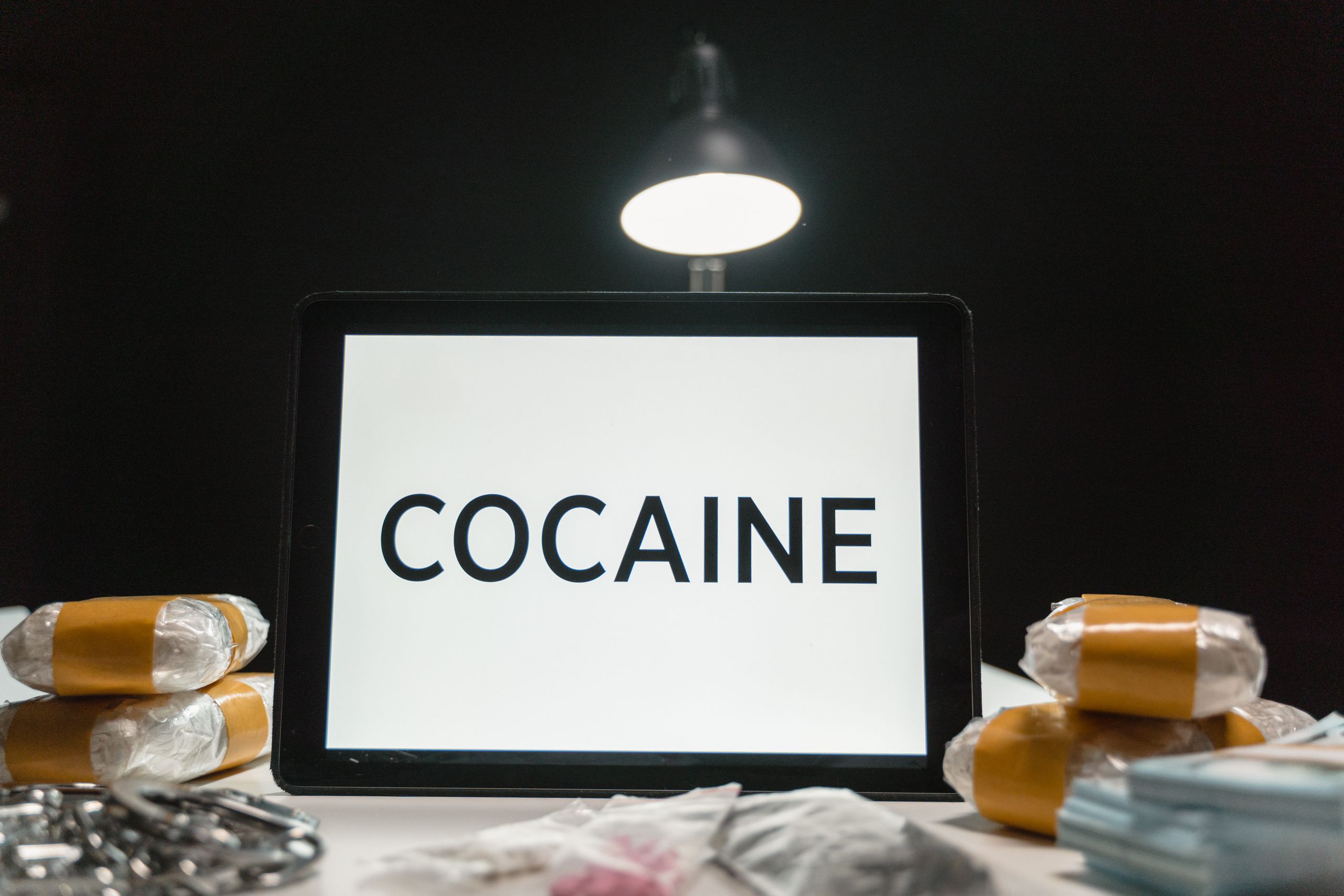
On paper, this was a produce delivery. In reality, federal officers say it was a concealed narcotics load moving through one of the most important commercial crossings on the U.S.-Mexico border.
CBP officials said officers discovered 112 packages of suspected cocaine inside the trailer. The total weight came to 126.5 kilograms, or 278.88 pounds. That means the average package weighed about 2.49 pounds, a compact size that helps explain why traffickers often try to conceal narcotics within larger commercial shipments.
The estimated street value of $3,723,654 makes the seizure a major interdiction. By that figure, the load averaged more than $13,000 per pound. The numbers matter because they show why criminal networks keep gambling on commercial cargo routes despite the risk. One successful load can represent millions of dollars. One failed load can become a federal case before the truck ever clears the port.
What makes this case especially striking is the disguise. Cucumbers are not suspicious by nature. They are perishable, common, and constantly moving through legitimate supply chains. That normalcy is exactly what gives produce shipments their appeal to smugglers. A load of vegetables does not invite the same public imagination as a hidden tunnel or a speedboat chase, but at the border, the quietest-looking shipments can sometimes carry the highest stakes.
How CBP Officers Flagged the Tractor-Trailer at Pharr International Bridge
The inspection began when officers at the Pharr International Bridge selected the tractor-trailer for a closer look. According to reporting based on CBP’s account, a canine inspection and nonintrusive imaging scan revealed irregularities in the vehicle before officers conducted a physical inspection.
That sequence tells us something important about modern border enforcement. This was not a simple visual check. Officers used layered screening: trained personnel, canine detection, scanning technology, and then hands-on inspection. Each step narrowed the suspicion until the concealed packages were found.
The Pharr International Bridge is not a minor crossing. It sits inside a serious commercial trade corridor, moving trucks, produce, manufactured goods, and daily cross-border commerce. The Texas Comptroller’s office has previously described the Hidalgo port of entry as a major trade gateway, with the Pharr-Reynosa International Bridge serving as one of the bridges connecting the U.S. and Mexico through commercial, vehicle, and pedestrian traffic.
That is why seizures like this carry a larger meaning. Border officers are not only looking for drugs. They are also trying to keep lawful trade moving while finding the small percentage of shipments that may be used to move contraband.
Why the Pharr International Bridge Matters in U.S.-Mexico Produce Trade
The Pharr Bridge has long been tied to fresh produce traffic. The Texas Comptroller reported that, in 2016, the Pharr Bridge received 32 percent of the produce the U.S. imported from Mexico and was the nation’s second-busiest port of entry for Mexican produce.
That context matters because the cocaine was not hidden in a random cargo lane. It was found in a trade environment built around speed, volume, temperature control, and constant movement. Fresh produce cannot sit forever. Cucumbers, avocados, tomatoes, peppers, and other food shipments depend on timely processing, which creates a difficult balancing act for border officials.
On one side, we have legitimate businesses that need cargo cleared quickly. On the other hand, we have criminal organizations that understand the pressures of the system and try to exploit them. When traffickers choose produce loads, they are not only hiding drugs among vegetables. They are hiding inside the urgency of a food supply chain.
That is what makes this seizure more than a headline. It reveals the hidden tension in border commerce: every truck must be treated as part of a functioning economy, yet some may also be part of a criminal network.
Smugglers Keep Using Everyday Cargo
The cucumber shipment case fits a familiar pattern. Drug traffickers have repeatedly used ordinary commercial goods as cover for narcotics, including produce, flowers, plastic materials, and other cargo that can move through ports in high volume.
Fox News noted that CBP has reported several other recent smuggling attempts, including cocaine concealed in a flower shipment and another commercial truck allegedly carrying carrots.
This pattern is not accidental. Ordinary cargo gives traffickers three advantages: volume, repetition, and plausibility. A truckload of cucumbers does not look dramatic. It looks like business. That is the point.
When we look closely, the strategy becomes clear. Smugglers do not always need exotic disguises. They need routine. They need a shipment that blends into hundreds of other shipments. They need something. They need something so ordinary that it feels boring until an officer, a dog, or a scare reveals what the paperwork does. Border Security Win, But Also a Warningizure of nearly 279 pounds of suspected cocaine is a win for enforcement, but it also raises an uncomfortable question: how many attempts are being made behind the ones that get caught?
We should not treat this case as a one-off spectacle. It sits inside a broader enforcement environment where narcotics remain a constant pressure at ports of entry. CBP’s own drug seizure statistics page notes that its data is drawn from live systems and can change as corrections and updates are made, which reflects the ongoing nature of border enforcement reporting.
This seizure also shows why the public conversation about the border cannot be reduced to only illegal crossings. Ports of entry are where much of the lawful movement happens, but they are also where officers must screen commercial vehicles, passenger traffic, documents, cargo, and high-value shipments without shutting down trade.
The cucumber truck case is a clean example of that challenge. The truck was not found in the desert. It was not intercepted in an abandoned lot. It was encountered in the formal inspection system, where legal commerce and illegal trafficking can coexist until enforcement separates them. The Cocaine and the Tractor-Trailer?
After the suspected cocaine was found, CBP officers seized the narcotics. In cases like this, federal authorities typically preserve the evidence and refer the matter for further criminal investigation. Fox News reported that CBP officials seized the load after the inspection revealed 112 packages in the tractor-trailer.
The publicly available details so far focus mainly on the seizure itself: the location, the cargo description, the inspection method, the number of packages, the total weight, and the estimated street value. The available reporting does not provide a full charging timeline or detailed information about possible suspects.
That distinction matters. We can say what CBP reported: officers found suspected cocaine in a cucumber shipment at the Pharr International Bridge. We should be careful not to claim more than the available public record supports.
Why This Case Hit Public Attention
This story spread because the contrast is almost cinematic. Cucumbers are an everyday food. Cocaine is a dangerous illicit drug. Put them in the same truck, and the headline practically writes itself.
But beneath the strange image is a serious border-security story. A produce shipment became a multimillion-dollar narcotics seizure. A routine commercial inspection became a major enforcement action. A cargo route built for food trade became the attempted cover for suspected cocaine movement.
That is why the story works beyond the shock value. It brings together three issues Americans already care about: border security, drug trafficking, and supply chain safety. The cucumber detail makes people click, but the reality of enforcement is what makes the story important.