A restaurant menu can make almost anything sound irresistible. Creamy hollandaise draped over poached eggs, a perfectly seared steak, or a bowl of soup promising homemade comfort. But behind those tempting descriptions, professional chefs sometimes see reasons to order something else.
In a July 16, 2025, feature, The Takeout interviewed professional chefs about dishes they personally avoid when eating out. Their answers revealed concerns about cooking technique, disappointing textures, unclear ingredients, and whether an order offers good value.
That doesn’t mean these dishes are universally bad. One chef’s disappointing order might be another chef’s favorite.
Here are nine restaurant dishes some chefs prefer to skip, along with useful questions to consider before placing your order.
Soup du Jour: When Today’s Special Raises Questions
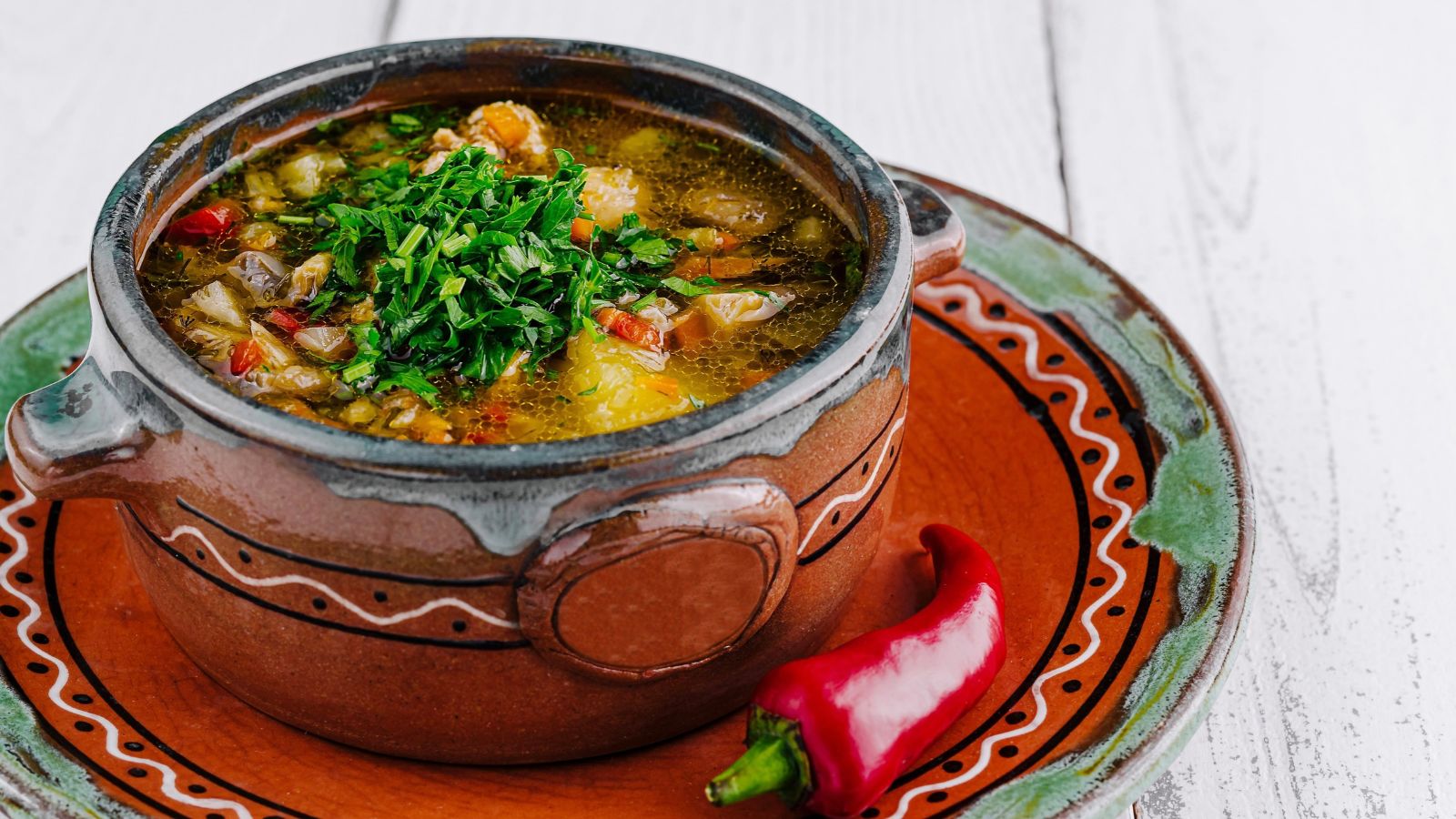
A steaming bowl of soup can feel like comfort delivered by the spoonful. But the phrase soup du jour doesn’t necessarily explain how or when the kitchen prepared it.
Chef Jon Davis, identified in the 2025 interviews as head chef at City Grocery in Oxford, Mississippi, said he avoids the soup of the day because he cannot tell how it has been prepared and managed.
His hesitation isn’t evidence that restaurants routinely serve questionable soup. It’s uncertainty about a kitchen he doesn’t know.
Before ordering, ask what makes today’s soup special and whether it’s prepared in-house. A clear description can tell you more than the elegant French name.
House Salads: When the Dressing Gets All the Attention
A house salad sounds like a straightforward choice, especially when you’re looking for something simple before the main course.
But Suhum Jang, identified as a co-owner and managing partner of Hortus NYC, told The Takeout that his restaurant experiences had made him cautious about ordering them.
He described seeing ingredients repurposed in salads and heavy dressings used to cover greens that weren’t at their best. Those are his observations, not proof that every restaurant house salad has the same problem.
If you’re particular about salad quality, ask what greens and toppings are included and whether the dressing comes on the side. A little information can make a familiar appetizer more appealing.
Biscuits: When Homemade Sets a High Standard
Few things can make breakfast feel more welcoming than a warm biscuit arriving at the table. But chef Rene Johnson, owner of BlackBerry Soul Catering, told The Takeout that she often avoids restaurant biscuits because she prefers the ones she makes herself. Her main complaints involved biscuits that were too dry or unpleasantly gummy.
Johnson’s standards reflect her experience as a biscuit maker, not a measured failure rate for restaurants.
If biscuits are the reason you’re choosing a particular breakfast spot, ask whether they’re made in-house. A restaurant proud of its biscuits should be able to tell you something about them.
Eggs Benedict: When the Sauce Makes or Breaks the Dish
Eggs Benedict can look like a little masterpiece on a brunch plate. Poached eggs, an English muffin, and a glossy blanket of hollandaise make the dish instantly recognizable.
Yet chef Clifton Dickerson, identified as an instructor at the Auguste Escoffier School of Culinary Arts, said he rarely orders it. His hesitation centers on hollandaise, a sauce that can separate or lose its intended texture when execution falls short during busy service.
Dickerson made clear that he enjoys a well-prepared Benedict. That distinction matters. His objection is to disappointing execution, not to the dish itself.
If Benedict is calling your name, ask whether the hollandaise is made in-house. Sometimes the sauce deserves as much attention as the eggs.
Related: Restaurant Orders That Can Frustrate Chefs and Bartenders explores why communication between diners and kitchens can make a difference.
Cooked Fish: When Technique Matters More Than Location
Fish can be one of the most delicate things on a restaurant menu. A carefully prepared fillet has a tenderness that can disappear when the cooking doesn’t go as planned.
Chef Chaz Lindsay, identified in the interviews as the owner and executive chef of Pulito Osteria and Rowan’s in Jackson, Mississippi, said he generally avoids cooked fish unless the restaurant is known for preparing it well.
His concern was culinary execution rather than geography. A restaurant doesn’t automatically prepare disappointing fish simply because it’s far from the coast.
Before ordering, consider whether seafood is a specialty of the kitchen and ask how the fish is prepared. The answer may help you decide whether it’s the dish you really want.
Sushi: When the Chef’s Expertise Shapes the Experience
Sushi can look beautifully simple, but its preparation involves more than arranging ingredients neatly on a plate.
Chef Jorge Dionicio, identified as a chef at Kansha, told The Takeout that he’s selective about where he orders sushi. He emphasized knowing and respecting the chef, particularly when it comes to fish handling, aging, and presentation. That’s a specialist’s standard for craftsmanship, not an accusation against unfamiliar sushi restaurants.
It’s also worth remembering that sushi isn’t always made with raw fish. Cooked and vegetable-based preparations offer different experiences.
If you’re unfamiliar with a restaurant, ask about its specialties and preparation style rather than assuming every sushi menu offers the same experience.
Steak: When the Price Doesn’t Match the Experience
For many diners, steak is the centerpiece of a special restaurant outing. But for someone who enjoys cooking steak at home, it can feel like paying for something familiar.
Chef Luke Shaffer, identified as an Escoffier instructor, said he usually skips restaurant steak because he’s confident preparing it himself. He would rather spend his restaurant budget exploring a dish that offers something different.
Shaffer did mention making exceptions for distinctive experiences, such as A5 Wagyu. His opinion doesn’t establish that restaurant steaks are universally overpriced.
Before ordering, ask what makes the steak special. The cut, preparation, and overall experience may help you decide whether the price feels worthwhile.
Chicken Breast: When Familiarity Isn’t Enough
Chicken breast appears on plenty of restaurant menus, often promising a dependable, familiar dinner. But several chefs interviewed by The Takeout questioned whether it was the most interesting choice.
Shaffer described encountering dry chicken breast, while chef Susan Yurish suggested that diners seeking chicken might consider thighs for a different flavor experience.
Chef Justin Robinson also emphasized the importance of seasoning and thoughtful technique. These are professional opinions about taste and preparation, not proof that most restaurant chicken is poorly cooked.
If chicken breast is your favorite, there’s no reason to abandon it. Just ask how the restaurant prepares it and what accompanies it.
Beef Tips: When the Menu Description Leaves Too Much Unsaid
Beef tips can sound hearty and comforting, especially when served with a rich sauce or gravy. But the name alone doesn’t always identify which cut of beef the kitchen uses.
Chef Christopher Diehl, identified as an Escoffier chef, told The Takeout that he tends to avoid vaguely described beef-tip dishes because he prefers entrées that feel deliberately planned.
He questioned whether some preparations might rely on leftover trimmings, but that was his concern rather than a verified finding about any particular restaurant.
The simplest solution is to ask which cut is used and how it’s prepared. A thoughtful menu description can turn uncertainty into confidence before the plate arrives.
What These Chefs Really Teach Us About Ordering
The most interesting lesson from these nine dishes isn’t that diners should avoid soup, steak, sushi, or chicken. It’s that professional chefs approach menus with different priorities.
Some focus on technique. Others care about value, texture, or ordering something they wouldn’t usually make at home. The Takeout’s interviews also showed that chefs don’t always agree about which dishes deserve a place on the table.
So the next time you’re reading a restaurant menu, pay attention to what the kitchen does particularly well. Ask a thoughtful question when a description seems unclear, and choose something that genuinely appeals to you.
After all, dining out should feel like a pleasure, not an examination you have to pass.