A pot of rice can go from perfectly fluffy to disappointingly mushy faster than you might expect. Sometimes the problem is too much water.
Other times, it comes down to the type of rice, the cooking temperature, or a habit that seems harmless but changes the final texture.
The trouble is that many home cooks follow the same rice-cooking rules regardless of what is in the pot.
But jasmine, basmati, brown rice, and rice cooked with vegetables do not always need identical treatment. Here are seven common assumptions worth reconsidering if you want separate, well-cooked grains.
One Water-to-Rice Ratio Works for Every Variety
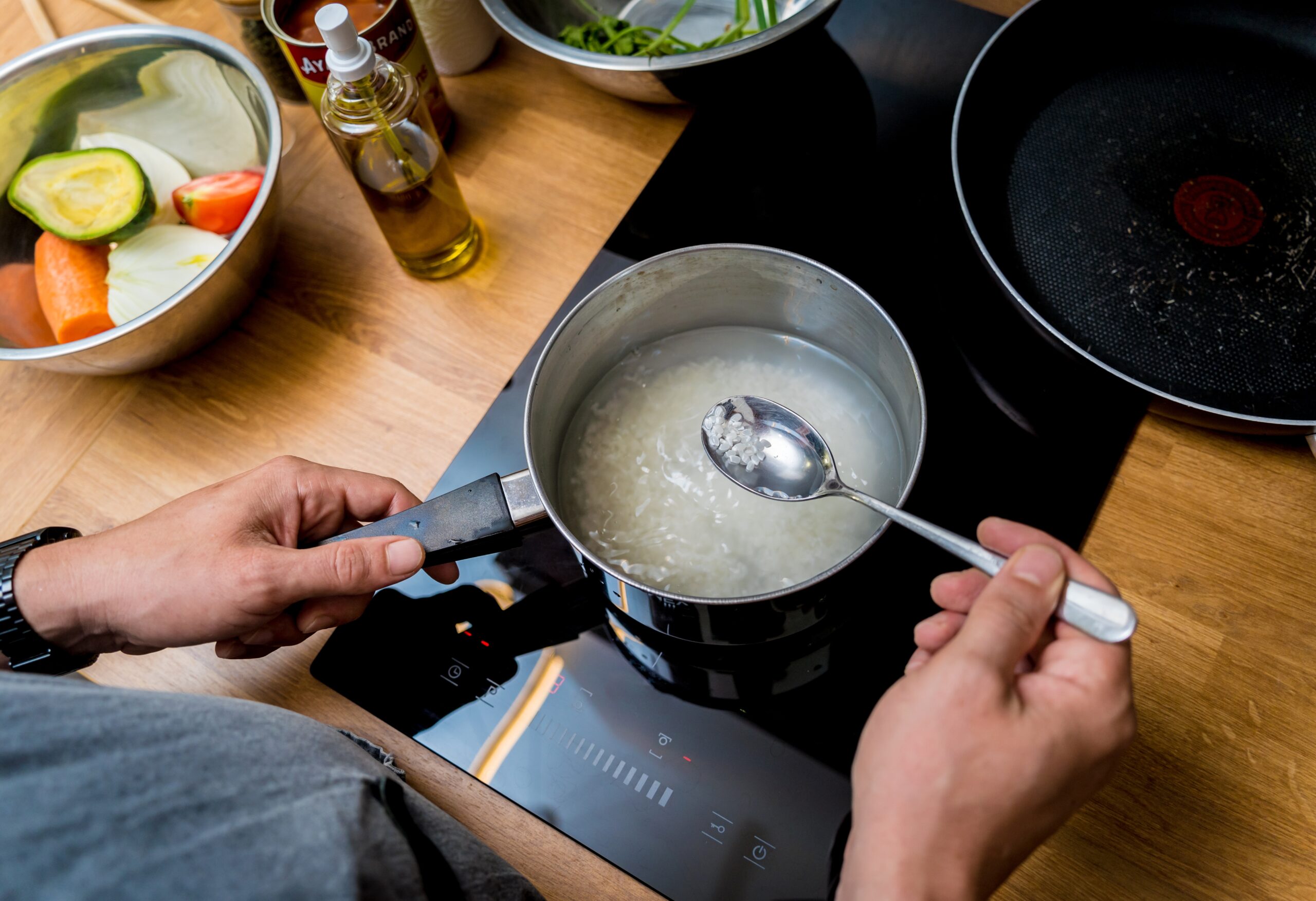
It is tempting to memorize one water measurement and use it whenever rice appears on the dinner menu. However, Mahatma’s cooking guide gives different starting ratios for white rice, brown rice, basmati, and jasmine rice. Its suggested amounts range from 1½ cups of water for jasmine rice to 2¼ cups for brown rice per cup of dry rice.
That difference matters because using a measurement intended for one variety on another can leave you with a texture you never wanted. Even so, these measurements are starting points rather than universal instructions, since cooking methods and equipment also affect the result.
The verdict: Stop treating every bag of rice as though it needs identical treatment. Check the variety and follow a complete cooking method designed for it.
Doubling the Rice Means Doubling Every Drop of Water
Cooking twice as much rice sounds like a simple multiplication exercise. Unfortunately, the relationship between rice, absorbed water, and evaporation is more complicated. Serious Eats’ testing explains that evaporation does not necessarily increase in direct proportion to the quantity of rice being cooked in a covered pot.
This means automatically doubling every part of a small-batch recipe can leave a larger batch wetter than intended. The result depends on the pot, lid, burner, and cooking arrangement, so there is no single adjustment that works for every kitchen.
The verdict: Scaling a recipe requires more thought than multiplying every measurement. Start with instructions tested for your batch size and cooking setup rather than assuming the original ratio will transfer perfectly.
Related Posts
If you enjoy experimenting with rice beyond the usual pot of white rice, these recipes offer a few more ideas:
- 12 Delicious Rice Recipes That Beat Plain White Rice – Timeless Dishes.
- Instant Pot Chicken and Rice – Timeless Dishes.
- Healthy Food Ideas to Help You Eat Better – Frenz Hub, featuring sticky rice with vegetables and soy sauce.
Rinsing Rice Does Not Affect the Finished Texture
Some cooks skip rinsing because they believe it makes little difference once the rice reaches the pot. However, rinsing jasmine rice removes loose surface starch, which can help produce less gummy, more distinct grains.
The important detail is that rinsing does not solve every rice-cooking problem. It cannot compensate for excessive water or too much cooking time. There are also exceptions: a separate Serious Eats test found that rinsing enriched rice produced a mushier result when the original package instructions were otherwise followed.
The verdict: Rinsing can be useful, particularly when separate grains are the goal, but it is not a universal commandment. Consider the rice variety and its package instructions before deciding.
Vegetables, Tomatoes, and Meat Do Not Count Toward the Liquid
One-pot rice dishes are convenient, but they introduce another variable that plain rice does not have: moisture from the other ingredients. Tomatoes, vegetables, and chicken can release liquid during cooking, meaning the water measurement designed for plain rice may be too generous.
Serious Eats encountered this issue while developing a chicken kabsa recipe. Its usual rice-to-water measurement produced waterlogged rice because the other ingredients contributed additional moisture. The recipe required a different liquid balance to achieve its intended result.
The verdict: Do not automatically pour in the same amount of water you would use for plain rice. Follow a tested recipe for the complete dish instead of borrowing measurements from an unrelated preparation.
Stirring Throughout Cooking Keeps Rice From Going Wrong
Lifting the lid and stirring rice every few minutes to check whether everything is progressing properly can be tempting. However, Mahatma advises leaving rice undisturbed during the covered absorption stage because stirring can break the grains and contribute to a gummy texture.
For this particular cooking method, patience is more useful than constant intervention. Once the rice has finished cooking and rested, gently fluffing it with a fork helps separate the grains.
The verdict: Put the spoon down when cooking ordinary absorption-style rice. Just remember that this advice does not apply to every rice dish, especially preparations that intentionally require regular stirring.
Higher Heat Will Make Rice Cook Faster Without Changing the Texture
When dinner is running late, turning up the stove can seem like an easy way to get rice ready sooner. But Serious Eats’ jasmine-rice guide recommends gentle cooking because excessive heat can overcook the outside of the grains before the centers are properly cooked. A poorly fitting lid can also allow more evaporation, making the cooking process less predictable.
Bringing the water to a boil before lowering the heat is different from keeping the pot at a vigorous boil throughout cooking. The latter is not a shortcut worth relying on when you want evenly cooked grains.
The verdict: Let the rice simmer gently instead of rushing it with maximum heat. A little patience can make the difference between evenly cooked grains and an inconsistent pot.
Rice Is Ready the Moment You Turn Off the Heat
You have switched off the stove, and the rice looks ready. Naturally, reaching for the serving spoon feels like the next step.
That final covered rest gives the grains time to settle after cooking. Skipping it means missing a useful part of the preparation, especially when you want the rice to hold its shape instead of becoming a wet mass on the serving spoon.
The verdict: Resist the urge to serve immediately. Follow the resting time in your recipe, then fluff gently rather than aggressively stirring the finished rice.
You May Also Like
Looking for more ways to make rice interesting or put everyday ingredients to work? These reads are worth exploring: