You forgot to take the chicken out of the freezer, dinner is only an hour away, and the meat is still frozen solid. It’s a familiar kitchen problem, and the temptation to speed things up with hot water or leave the package sitting on the counter can be strong.
But defrosting meat incorrectly can turn an ordinary dinner into a food safety concern. According to the U.S. Department of Agriculture (USDA), there are three safe ways to thaw meat: in the refrigerator, in cold water, or in the microwave. The good news is that two of these methods can work when you’re short on time.
Here’s how to thaw frozen meat safely, which methods work fastest, and what common mistakes you should avoid.
Use Cold Water When You Need Meat Thawed Fast
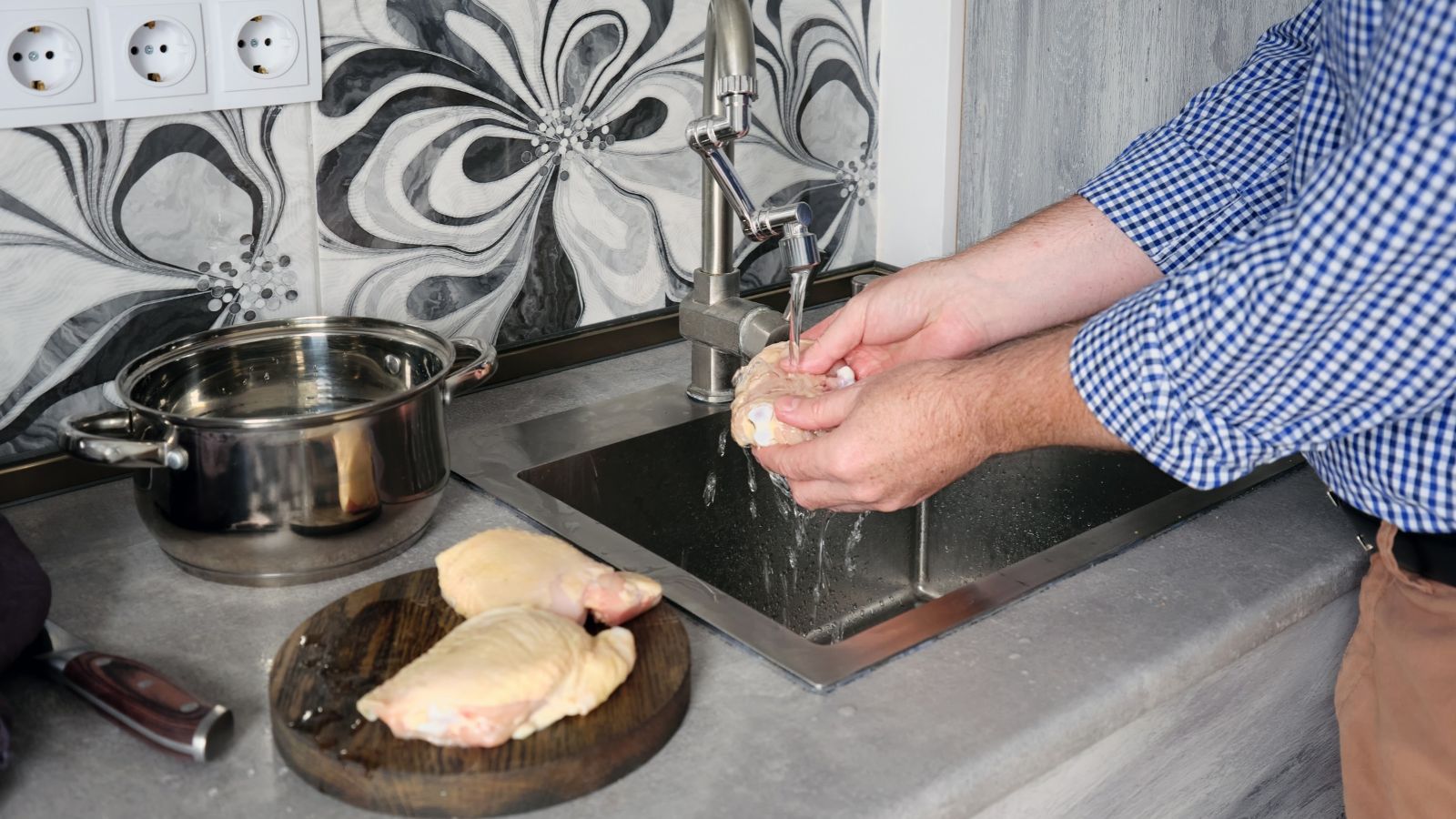
One of the most practical ways to defrost meat quickly is surprisingly simple: use cold water instead of warm or hot water.
The USDA recommends placing frozen meat inside a leakproof plastic bag and fully submerging it in cold tap water. If the original packaging isn’t watertight, transfer the meat to a properly sealed bag.
Change the water every 30 minutes to keep it cold throughout thawing.
This method thaws meat much faster than the refrigerator without exposing it to the prolonged warmth of countertop thawing.
According to USDA guidance, a small package weighing approximately one pound may thaw in an hour or less. A larger package weighing three to four pounds may require two to three hours.
The important rule is that meat thawed in cold water must be cooked immediately after defrosting. Don’t return it to the refrigerator if you plan to cook it the following day.
Use the Microwave When You’re Really Short on Time
The microwave can be a lifesaver when you’ve forgotten to prepare dinner, but using it correctly matters.
According to the USDA, microwave defrosting is safe as long as you cook the meat immediately afterward.
Remove non-microwave-safe packaging, place the meat on a microwave-safe dish, and select the defrost setting or the low-power setting recommended in your appliance’s instructions.
Turn or reposition the meat as needed to encourage more even thawing.
One downside is that microwave defrosting doesn’t always work evenly. Thin edges may begin cooking while thicker areas remain frozen.
The USDA warns that some portions can warm up enough to support bacterial growth during microwave thawing. That’s why you shouldn’t partially defrost raw meat in the microwave and then leave it sitting around before cooking.
This option is especially convenient for smaller portions, such as ground beef, chicken pieces, or individual cuts that fit comfortably in your microwave.
Cook Meat Straight From Frozen When Necessary
Many home cooks overlook this: you don’t always need to defrost meat before cooking.
The USDA confirms that you can cook meat and poultry directly from frozen, though cooking generally takes about 50% longer than thawed meat.
For instance, if a particular cut usually takes 40 minutes to cook, it may take about 60 minutes from frozen, depending on its thickness and cooking method.
Frozen burger patties, individual chicken pieces, and some steaks can be prepared without thawing first, provided they’re cooked thoroughly.
Always check the internal temperature with a food thermometer rather than relying on appearance alone.
One important exception: don’t put frozen meat directly into a slow cooker, because it may take too long to heat through safely.
Cooking directly from frozen can work when you don’t have time to defrost.
Related: 5 Frozen Pizzas You Should Avoid Due to Serious Cancer Risks
Choose Refrigerator Thawing When You Have More Time
The refrigerator may not be the fastest option, but it remains the preferred method for safely thawing larger cuts of meat.
Place frozen meat on a tray or inside a container to catch any juices, then put it on the bottom shelf of your refrigerator.
Keep the refrigerator at 40°F or below.
Smaller packages of ground beef, steaks, or stew meat may thaw within approximately 24 hours. Large roasts and bone-in cuts can require two days or longer.
Unlike meat thawed in cold water or the microwave, meat thawed properly in the refrigerator can often be stored for a short period before cooking.
According to the USDA, thawed ground beef can remain refrigerated for an additional one to two days, while many other beef cuts can be kept for three to five days.
You can also refreeze properly refrigerated meat without cooking, though its quality may decline.
Never Use Hot Water to Speed Up Thawing
Warm water might seem like the obvious solution when you’re in a hurry. After all, warmer temperatures melt ice faster.
Unfortunately, that’s precisely why the method can be dangerous.
When frozen meat sits in warm or hot water, its outer layers may reach temperatures that encourage bacterial growth while the center remains frozen.
Food safety experts call temperatures between 40°F and 140°F the “danger zone,” because bacteria can multiply rapidly within this range.
Even if the meat eventually gets cooked, improper thawing can create avoidable risks.
The USDA specifically advises against thawing meat in hot water, no matter how much time it seems to save.
Don’t Leave Frozen Meat on the Kitchen Counter
Leaving a frozen package of chicken or beef on the counter before heading to work might seem convenient, especially if that’s how your family has always done it.
However, the USDA and FDA both advise against this practice.
The problem is that meat doesn’t thaw evenly. The outside warms much faster than the middle, creating conditions where bacteria may multiply even though the center still feels icy.
The CDC recommends keeping perishable food out of the temperature danger zone for no more than two hours, or one hour when temperatures exceed 90°F.
Those limits don’t allow thawing on the counter. The safest approach is to keep frozen meat refrigerated or use an approved rapid-thawing technique.
Always Check the Temperature Before Serving
Safe defrosting is only half the job. Meat still needs to reach the appropriate internal temperature during cooking.
The USDA recommends the following minimum temperatures:
- Chicken and turkey: 165°F.
- Ground beef, pork, and lamb: 160°F.
- Whole cuts of beef, pork, veal, and lamb: 145°F, then rest for 3 minutes.
A food thermometer is far more reliable than judging doneness by color, texture, or juices alone.
A Little Freezer Preparation Can Save Time Later
One of the easiest ways to avoid defrosting problems is to rethink how you freeze meat.
Instead of freezing several pounds of ground beef in one thick block, divide it into smaller, meal-sized portions before freezing.
Flattening ground meat in appropriate freezer bags also makes the packages easier to store and quicker to thaw.
Likewise, freezing chicken breasts individually rather than in one large clump makes it easier to take out only what you need.
These small habits can reduce the temptation to take unsafe shortcuts when dinner prep doesn’t go according to plan.
The Bottom Line
When you’re rushing to prepare dinner, the cold-water method often offers the best balance of speed and safety. Microwave defrosting is another option when time is especially limited, while cooking directly from frozen can eliminate the thawing step.
The most important thing is to avoid leaving meat on the counter or soaking it in hot water, no matter how convenient those shortcuts seem.
A little extra attention to thawing can help protect your family while still getting dinner on the table.
What’s your usual method for defrosting meat when you forget to take it out of the freezer?