Fresh vegetables should be one of the healthiest things in your grocery cart. But what happens when chemicals are used to keep produce looking fresh longer than it naturally would? Some shoppers worry that vegetables with unusually bright colors or surprisingly long shelf lives might have been treated with potentially harmful preservatives.
The concern is understandable, especially since formaldehyde, a chemical sometimes associated with improper food preservation, is classified as a known human carcinogen. However, there is no reliable way to identify carcinogenic chemicals on vegetables simply by looking at, smelling, or touching them. Knowing what to check, what to question, and how to handle fresh produce can help shoppers make safer decisions.
Why Certain Food Preservatives Raise Concerns
Not every chemical used in food production is dangerous. Some approved treatments help prevent spoilage, control bacteria, or maintain quality. Their safety depends on the substance, its intended use, and the amount involved.
The concern arises when unauthorized substances are added to food or approved chemicals are used improperly.
Formaldehyde is one example worth understanding. According to the National Cancer Institute, the International Agency for Research on Cancer classifies formaldehyde as carcinogenic to humans.
That classification does not mean suspicious-looking vegetables contain formaldehyde, or that eating a vegetable necessarily creates the same cancer risk as prolonged workplace exposure. The type, amount, and duration of exposure matter.
Pesticide residues are another concern, although pesticides and preservatives serve different purposes. Pesticides are used to control pests, while preservatives generally help prevent deterioration. Neither category should automatically be described as carcinogenic.
Watch for Vegetables That Appear Unusually Fresh
Imagine buying leafy greens and finding that they still look almost unchanged after sitting in your refrigerator longer than expected.
It might seem suspicious, but appearance alone tells you very little about chemical treatment.
Vegetable freshness depends on harvesting conditions, refrigeration, packaging, humidity, and the variety being sold. Some vegetables naturally last much longer than others.
Still, unusually long shelf life can be a reason to ask how produce was stored or handled, especially when buying from an unfamiliar seller.
The key distinction is that freshness doesn’t prove safety, just as a shorter shelf life doesn’t prove a vegetable is chemical-free.
Pay Attention to Strange or Strong Chemical Odors
Fresh vegetables generally have recognizable natural smells. Lettuce may smell grassy, onions have their familiar sharpness, and cabbage can develop sulfur-like odors.
A strong, unexpected chemical odor is a reasonable reason not to buy or eat a vegetable.
However, there is an important limitation. Harmful residues do not always produce noticeable smells, and natural vegetable odors can sometimes seem unusual.
If produce smells strongly of cleaning products, solvents, or an unidentified chemical, avoid tasting it to investigate.
Instead, return it to the retailer or report the concern to the appropriate food-safety authority.
Related: The Everyday Family Habits That Can Help Children Become More Comfortable With Vegetables
Be Careful With Vegetables Showing Unusual Surface Residues
A mysterious powder, oily film, or unfamiliar coating on vegetables may raise questions.
Before assuming it is a dangerous preservative, remember that some produce naturally develops waxy surfaces. Certain fruits and vegetables may also receive approved commercial coatings intended to reduce moisture loss and maintain quality.
The University of Minnesota Extension says approved produce waxes are safe when used according to FDA requirements.
What matters is whether a substance is appropriate for that food and whether it was applied correctly.
If vegetables have an unidentified residue or look contaminated, avoid buying them until the retailer can explain.
Don’t Assume Bright Colors Mean Chemical Treatment
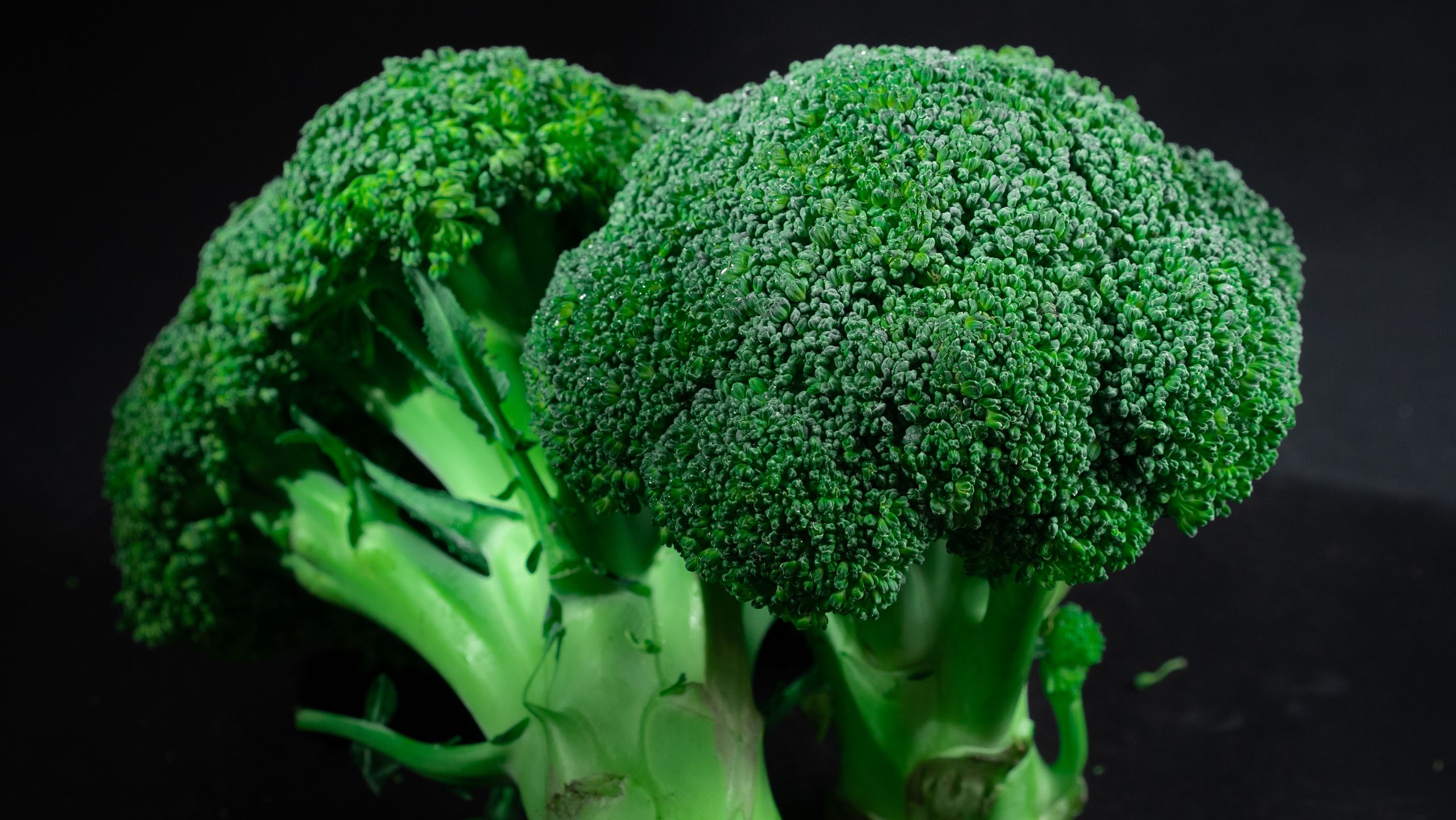
Perfectly green broccoli, vivid red tomatoes, and crisp-looking peppers often catch shoppers’ attention.
But unusually attractive produce isn’t reliable evidence that preservatives were used.
Color depends on the vegetable variety, maturity, growing conditions, storage, and handling. Even produce grown without synthetic pesticides can look remarkably uniform.
Similarly, blemishes do not automatically indicate that vegetables were grown without chemicals.
A better approach is to inspect produce for signs of deterioration rather than trying to identify chemical contamination through color.
The FDA recommends choosing vegetables that are not bruised or damaged whenever possible and discarding produce that appears rotten.
Check Packaged Vegetables for Label Information
When buying packaged vegetables, read the manufacturer’s information.
Look for the product name, ingredient information when applicable, handling instructions, storage recommendations, and any relevant treatment disclosures.
For processed or preserved vegetables, declared additives can help you understand what’s included.
One category worth knowing about is sulfiting agents. These substances can prevent discoloration in certain foods, but their use is restricted in some applications.
The FDA Food Code prohibits adding sulfiting agents to raw produce in food establishments.
However, sulfites should not automatically be described as carcinogens. Their better-established concern involves adverse reactions in susceptible individuals.
For fresh, unpackaged vegetables, ingredient labels may not be available. In those cases, questions about origin and handling matter more.
Understand What Washing Can and Cannot Remove
Washing vegetables is one of the simplest food-safety habits, but it has limits.
The Environmental Protection Agency recommends washing fresh fruits and vegetables thoroughly under running water to help remove dirt, bacteria, and traces of surface chemicals.
The agency also makes clear that washing cannot remove every pesticide residue.
For everyday preparation, the FDA recommends several practical measures:
- Rinse vegetables under clean running water while gently rubbing their surfaces.
- Scrub firm produce, such as cucumbers, with a clean vegetable brush.
- Remove outer leaves from lettuce or cabbage.
- Cut away damaged portions and discard rotten vegetables.
- Avoid using soap, bleach, or household detergents on produce.
Peeling can also reduce some surface residues where appropriate.
These steps improve food hygiene, but they cannot guarantee vegetables are free of every possible chemical contaminant.
Buy From Sellers With Reliable Handling Practices
One of the most useful ways to reduce uncertainty is to pay attention to where and how vegetables are sold.
A trustworthy retailer should be able to provide reasonable information about where produce comes from and how it’s stored.
Look for vegetables displayed in reasonably clean conditions, with perishable pre-cut items properly refrigerated.
Farmers’ markets can also be good places to ask questions directly about growing and handling practices.
However, buying from a small farm, choosing organic produce, or purchasing from a supermarket does not automatically eliminate contamination risks.
The EPA recommends eating a variety of foods from different sources as one practical way to reduce repeated exposure to any single pesticide residue.
Why Home Tests Cannot Confirm Carcinogenic Preservatives
Social media occasionally promotes simple household experiments that supposedly reveal whether vegetables contain dangerous chemicals.
Changes in water color, unusual floating behavior, or how quickly a vegetable wilts are sometimes presented as evidence of contamination.
These observations are not scientifically reliable tests for carcinogenic substances.
Identifying a chemical requires an appropriate validated testing method, often performed in a laboratory.
If you genuinely worry about a particular seller or batch of vegetables, contact a local food-safety agency rather than relying on an unverified home test.
The Bottom Line for Grocery Shoppers
Vegetables deserve a place in a balanced diet, and fear of chemical contamination should not automatically discourage people from eating them.
The most important lesson is that you cannot reliably spot carcinogenic preservatives by appearance, odor, texture, or shelf life alone. Those characteristics can sometimes alert you to spoilage or questionable handling, but they cannot identify a particular chemical.
Buying from reliable sources, checking packaging information, washing produce properly, and paying attention to official food-safety warnings are more dependable precautions.
Next time vegetables look suspiciously perfect at the grocery store, remember that a flawless appearance doesn’t prove contamination. What matters most is how the produce was grown, treated, handled, and tested.
Have you ever bought vegetables that stayed fresh much longer than you expected, or noticed something unusual about grocery store produce?