Once, a trip to the grocery store meant picking up flour, sugar, milk, and a few other basics, not filling a cart with ready-made meals and packaged foods. For many American grandparents, making everyday staples from scratch was simply part of keeping the household running.
From freshly baked bread to homemade jams and pickles, foods we now grab off supermarket shelves once required patience, skill, and a little elbow grease. Modern conveniences have made life easier, but some old-fashioned kitchen traditions are worth remembering.
Here are ten familiar foods many grandparents made at home, but most of us now buy without a second thought.
Homemade Bread
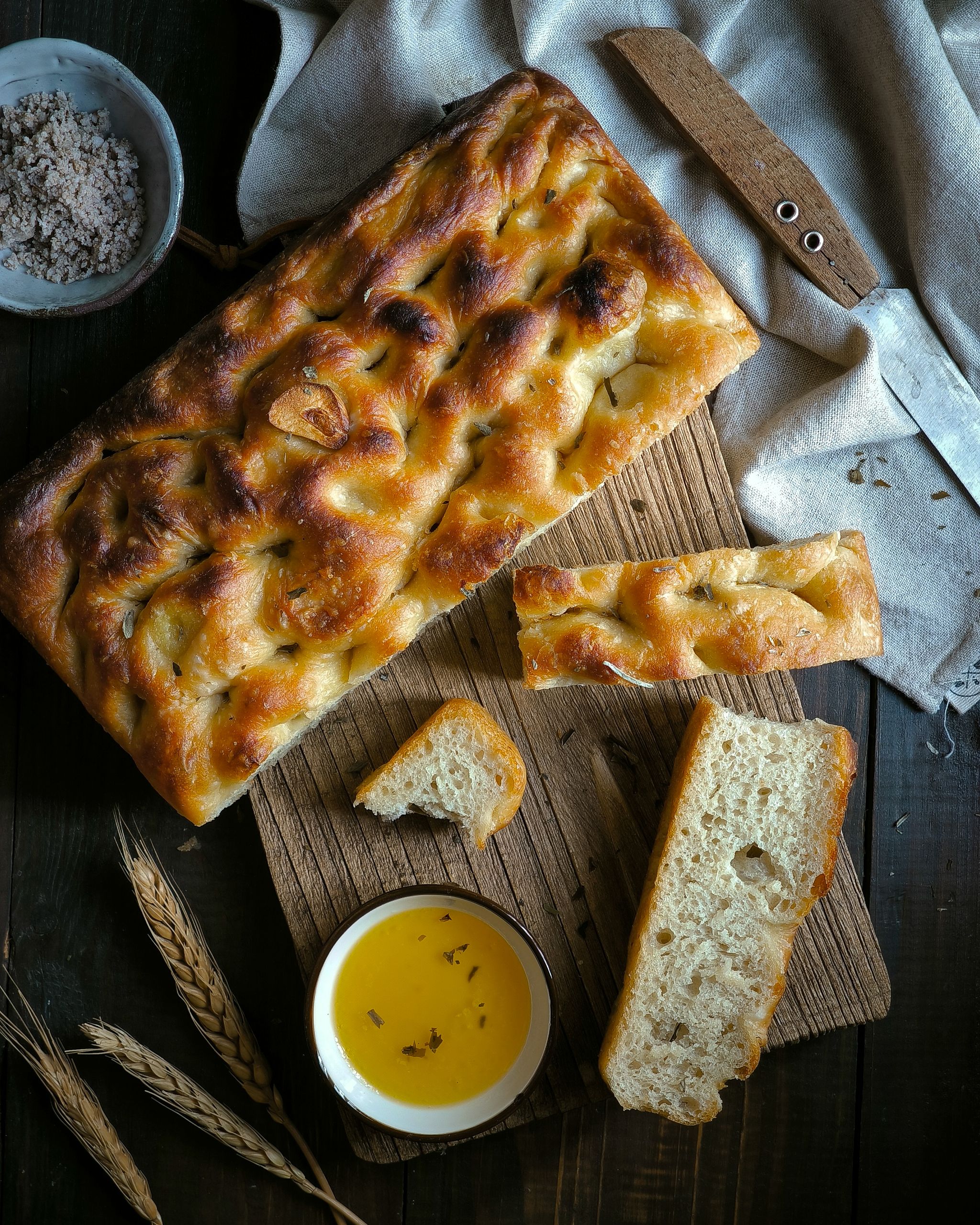
Few kitchen memories are as comforting as the smell of bread baking in the oven. Before packaged sliced bread became a household staple, many families regularly baked their own loaves using flour, yeast, water, salt, and sometimes a little sugar or butter.
Bread-making was more than mixing ingredients. The dough needed kneading, time to rise, and careful attention during baking. Grandparents often knew when it was ready by touch alone.
According to the Smithsonian National Museum of American History, the first effective automatic bread-slicing machine entered commercial use in 1928. By the 1930s, commercially sliced bread was becoming widely available.
Today, most Americans can grab a loaf in seconds. Still, homemade bread has something store-bought versions cannot always match: the pleasure of eating a warm slice straight from the oven.
Butter
Long before butter came neatly wrapped in paper or packaged in plastic tubs, families with access to fresh cream could make their own.
The process involved churning cream until the butterfat separated from the liquid buttermilk. Afterward, they washed, worked, and sometimes salted the butter before storing it.
It was physical work, especially when using a traditional hand-operated churn. In farming households, making butter was part of the routine.
Today, butter-making is much simpler. You can turn heavy cream into butter with a mixer or food processor. Although buying butter is more convenient, making a small batch at home offers a glimpse into how much effort once went into an ordinary breakfast.
Jams and Jellies
For many grandparents, summer fruit wasn’t just something to enjoy while it was fresh. It was an opportunity to prepare for colder months.
Strawberries, peaches, blackberries, and apples could be transformed into homemade jams and jellies. Families used large pots, sugar, and carefully prepared jars to preserve seasonal flavors.
The tradition was especially practical in households with fruit trees or gardens. Instead of letting extra produce spoil, families turned it into something they could enjoy later.
The USDA’s historical food preservation records include home jam- and jelly-making guides published as early as 1945, showing how established the practice was in American kitchens.
Today, grocery stores offer dozens of fruit spreads. But homemade jam still has one special advantage: you can decide how sweet, chunky, or fruity you want it.
Related: Before Avocado Toast, There Was This Creamy Breakfast, and It Deserves a Second Look.
Pickles
That crunchy dill pickle beside your sandwich once took a lot more kitchen effort.
Many grandparents made pickles using cucumbers from backyard gardens or local farms. Depending on the recipe, they used vinegar, salt, garlic, dill, and other seasonings.
Some pickles were fermented in brine, while others were vinegar-based. Families often developed their own favorite combinations and passed recipes down through generations.
Pickling also helped households use vegetables when gardens produced more than they could eat immediately.
These days, grabbing a jar of pickles requires almost no effort. Homemade refrigerator pickles, however, remain an approachable way to revisit the tradition without committing to a complicated preservation project.
Applesauce
Today, applesauce comes in jars, squeeze pouches, and individual snack cups. But earlier generations made it at home as a practical way to use a basket of apples.
The process was straightforward. Apples were peeled or cored, cut into pieces, and cooked until soft. Some families added cinnamon or sugar, while others preferred the fruit’s natural sweetness.
Once cooked, you could mash the apples or run them through a food mill for a smoother texture.
People often served homemade applesauce alongside pork chops, ate it as a snack, or used it in baking.
The wonderful thing about making it yourself is that it doesn’t require much equipment. A saucepan, a few apples, and a little patience can produce something delicious.
Chicken Broth
Before cartons of chicken broth became a convenient pantry staple, many home cooks made broth from leftover chicken bones, vegetables, and water.
A pot could simmer on the stove for hours, drawing flavor from the ingredients. Onion, celery, carrots, and herbs frequently found their way into the mixture.
For families trying to stretch their grocery budgets, homemade broth made good use of food that might otherwise have been discarded.
It also provided a flavorful foundation for soups, stews, gravies, and casseroles.
Today, boxed broth is convenient when you need dinner fast. But a pot of homemade broth still offers a useful way to turn kitchen leftovers into another meal.
Biscuits
For many Southern families, homemade biscuits were practically a breakfast tradition.
Grandparents often prepared them with flour, baking powder, salt, shortening or butter, and milk or buttermilk. They mixed, shaped, and baked the dough until the biscuits turned golden.
Served with butter, gravy, or homemade preserves, they could turn an ordinary breakfast into something memorable.
Of course, making tender biscuits requires a little technique. Overworking the dough can make the finished biscuits tougher than intended.
Today, refrigerated biscuit dough and frozen biscuits save a lot of time. Yet pulling a tray of homemade biscuits from the oven is particularly satisfying.
Pasta and Egg Noodles
Before boxed pasta became a pantry staple, some families, particularly those with European culinary traditions, regularly made noodles by hand.
A basic egg noodle dough might contain little more than flour, eggs, and salt. They rolled the dough thin, cut it into strips, and either dried it briefly or cooked it fresh.
Homemade noodles were especially popular in comforting dishes such as chicken and noodles or hearty soups.
Making them required time, but it also gave cooks control over thickness and texture.
Today, dried pasta is affordable, convenient, and available in countless shapes. Homemade noodles remain a cherished tradition in some households, particularly during holidays and family gatherings.
Salad Dressing
Walk into a modern grocery store, and you’ll find entire shelves devoted to salad dressings. Ranch, Italian, French, blue cheese, and countless other varieties are ready to pour straight from the bottle.
But homemade dressing was once an everyday kitchen habit in many families.
A simple vinaigrette required oil, vinegar, salt, pepper, and perhaps mustard or herbs. Creamier dressings could be prepared using mayonnaise, buttermilk, or sour cream.
Grandparents often mixed only what they needed instead of keeping multiple bottles in the fridge.
The biggest advantage of making dressing at home is flexibility. Want more tanginess? Add vinegar. Prefer something sweeter? A little honey might do the trick.
One old-fashioned habit remains surprisingly easy to bring back.
Pancake Mix
For many grandparents, pancakes didn’t begin with a box labeled “just add water.”
Instead, they mixed the batter in a bowl with flour, baking powder, milk, eggs, and butter or oil.
It wasn’t particularly complicated, but it required measuring ingredients rather than simply pouring a packaged mix into a bowl.
Some families developed signature recipes, adding buttermilk, blueberries, or a touch of vanilla.
Today, pancake mixes are popular because they’re quick and dependable, especially on busy mornings.
Still, making pancakes from scratch takes only a few extra steps, and it gives you control over the ingredients and texture.
For anyone wanting to revive an old family kitchen tradition, homemade pancakes might be the easiest place to start.
Why These Homemade Traditions Still Matter
The shift from homemade staples to store-bought convenience didn’t happen overnight. Commercial food production, refrigeration, changing work schedules, and the growth of supermarkets gradually transformed how American families prepared meals.
That doesn’t mean every grandparent made everything from scratch. Store-bought foods have existed for generations, and family habits varied widely by income, location, available equipment, and personal preference.
But home food preservation was important enough that the USDA published detailed instructions throughout the twentieth century. During the Great Depression and both world wars, preserving homegrown food helped many families stretch their supplies.
Today, convenience foods make it easier to manage busy schedules, and there’s nothing wrong with relying on them. Yet making bread, biscuits, jam, or applesauce at home can be a meaningful way to reconnect with family memories.
Sometimes, the appeal isn’t necessarily about saving money or producing something better than the supermarket version. It’s about remembering the people who taught us to cook and appreciating the effort that once went into everyday foods.
Which of these foods did your grandparents make from scratch, and do you still prepare any of them the old-fashioned way?