Imagine opening your kitchen cupboard and discovering that some everyday groceries used to be special treats reserved for wealthy families. From bananas and chocolate to sugar and coffee, many foods we barely think twice about buying have fascinating histories tied to wealth, trade, and changing technology. As farming, transportation, and food production improved, ingredients once difficult to obtain gradually became affordable staples. Here are ten foods whose journeys from luxury to everyday life might surprise you.
Bananas Were Once an Exotic Treat
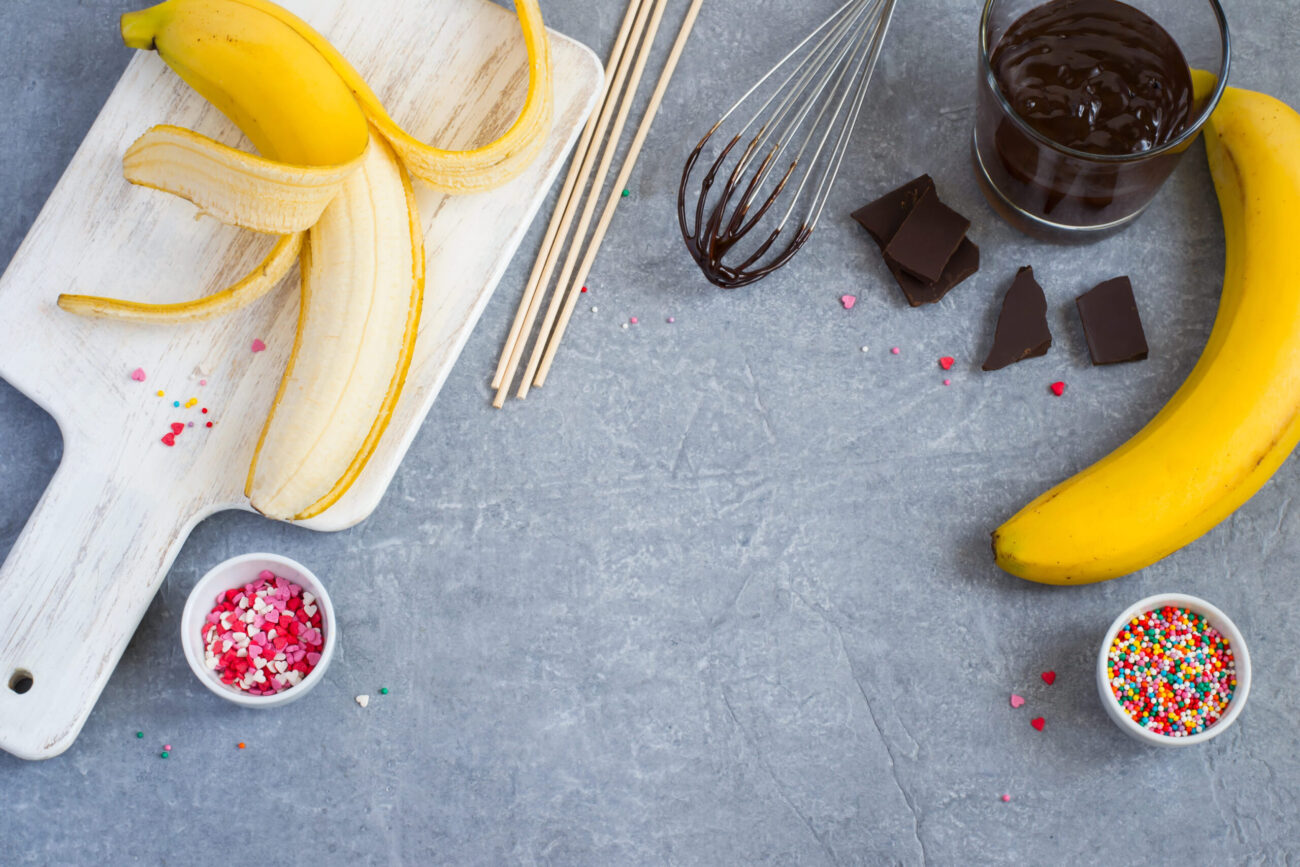
That inexpensive bunch of bananas in your shopping cart once represented a taste of the tropics that many Americans rarely experienced.
During the late nineteenth century, bananas became increasingly available in American cities as shipping and distribution networks expanded. Before that, transporting fresh fruit across long distances was expensive and difficult. Their novelty made them a special purchase, sometimes even appearing as unusual gifts for children. Today, bananas are among the most widely available and affordable fruits in American supermarkets. (Cheapism)
Sugar Was Once a Luxury Ingredient
Before sugar became a pantry staple, sweetening your food could cost a small fortune.
For centuries, sugar production and transportation were expensive, making it a prized commodity in Europe and other markets. Wealthy households used it in elaborate desserts and even decorative displays to demonstrate their status. As production expanded and prices declined, sugar became accessible to more families. Today, it appears in countless everyday products, from breakfast cereals to sauces and baked goods.
Chocolate Was Once Reserved for the Wealthy
Your favorite chocolate bar has a history that stretches far beyond the candy aisle.
Cacao was valued by ancient Mesoamerican civilizations, where chocolate drinks held cultural and ceremonial significance. When chocolate reached Europe, it became an expensive beverage enjoyed by wealthy households. Industrial processing and mass production eventually made chocolate products more affordable. Today, chocolate is a familiar treat, although premium varieties can still command luxury prices.
Related: 10 Most Expensive Luxury Foods That Will Blow Your Mind
Coffee Was Once an Expensive Import
The morning cup millions of people depend on was not always an everyday habit.
Coffee spread from its origins in Africa and the Middle East into Europe, where coffeehouses became popular gathering places. Imported coffee could be costly, especially when transportation and supply were limited. Improvements in cultivation, shipping, and processing eventually made it accessible to a much wider population. Now, coffee is a household staple and a daily purchase for millions of Americans.
For readers who enjoy their daily brew, these coffee habits that may support everyday wellness offer another reason to appreciate this familiar drink.
Lobster Was Once Considered Cheap Food
Today’s fancy seafood dinner has a surprisingly humble past.
Lobster was once abundant along parts of the northeastern American coast, where it served as an inexpensive food for working people and early settlers. It was also used as fertilizer and animal feed. Over time, improved transportation let people serve lobster in distant urban markets, while rising demand and changing tastes turned it into a restaurant delicacy. The Michelin Guide explores lobster’s transformation, including the myths surrounding its earlier reputation.
Related: 28 Foods We Believe Have Earned Their Fame
Ice Cream Was Once a Special Occasion Dessert
Before freezers became common, enjoying a scoop of ice cream required considerably more effort.
Making and storing ice cream depended on access to ice, specialized equipment, and careful preparation. These requirements made frozen desserts expensive and difficult for ordinary households to enjoy regularly. As refrigeration technology improved, people could manufacture, store, and distribute ice cream more easily. Today, it is a familiar grocery store purchase rather than an occasional luxury.
White Bread Once Signaled Wealth
The soft, refined loaf that fills supermarket shelves once signaled social standing.
Producing finely milled white flour required additional processing, making white bread more expensive than coarser breads. Its pale appearance came to symbolize refinement and prosperity. Over time, industrial milling and modern baking methods reduced costs and made white bread widely available. Interestingly, today’s health-conscious shoppers often seek out whole-grain bread instead.
Oranges Were Once Christmas Gifts
A simple orange could once make a child’s holiday feel especially exciting.
Before refrigerated transportation became widespread, distributing fresh citrus fruit during winter in colder regions was harder. As a result, oranges were associated with special occasions, particularly Christmas. Their bright color and sweet flavor made them a memorable seasonal treat. Today, American grocery stores offer oranges year-round.
Canned Foods Were Once Innovative Luxury Products
The pantry staple that saves dinner was once a remarkable technological achievement.
Early food canning preserved ingredients longer, but the process initially required expensive equipment and specialized production. Canned foods brought convenience and variety to households that could afford them. As manufacturing expanded, prices fell, and canned vegetables, soups, and fruits became affordable everyday groceries.
Spices Were Once Worth Their Weight in Wealth
A pinch of cinnamon or pepper once represented far more than flavor.
Spices such as cinnamon, nutmeg, cloves, and pepper traveled through lengthy trade networks before reaching European markets. Their scarcity and transportation costs made them expensive ingredients, often associated with wealthy households. Improvements in global trade gradually expanded availability and reduced prices. Today, these seasonings sit in ordinary kitchen cabinets, adding flavor to everyday meals.
How Luxury Foods Became Everyday Favorites
Technology, trade, and changing consumer habits drove the biggest transformation.
Modern agriculture, refrigeration, shipping, and food processing lowered costs and improved availability. Foods once reserved for wealthy households gradually became accessible to ordinary shoppers, while others, such as lobster, developed new reputations as premium products.
The next time you pick up chocolate, coffee, or a bunch of bananas, remember that these familiar groceries carry stories of innovation, changing tastes, and shifting fortunes.
Which everyday food surprised you most when you learned it was once considered a luxury?