A powerful 7.4-magnitude earthquake has torn through western Colombia, turning homes into piles of concrete, damaging hospitals and sending rescue crews into a desperate race to reach people trapped beneath collapsed buildings. What began as a violent morning of shaking on Monday has become one of Colombia’s deadliest natural disasters in years.
By Tuesday morning, at least 164 people had been confirmed dead, according to Reuters, as rescue operations continued across some of the hardest-hit areas. Earlier figures released by Colombian officials and reported by ABC News had placed the death toll at 132, illustrating how rapidly the scale of the disaster was changing as emergency teams reached more damaged communities. Hundreds of people have also been injured.
The earthquake struck at 7:34 a.m. local time on August 10, with its epicenter near San José del Palmar in Colombia’s Chocó department. The U.S. Geological Survey measured the quake at magnitude 7.4 and placed its center about five kilometers east of the municipality, at a depth of roughly 107 kilometers. Colombia’s Geological Service calculated a similar depth of 103 kilometers.
Cities Wake Up to Destruction
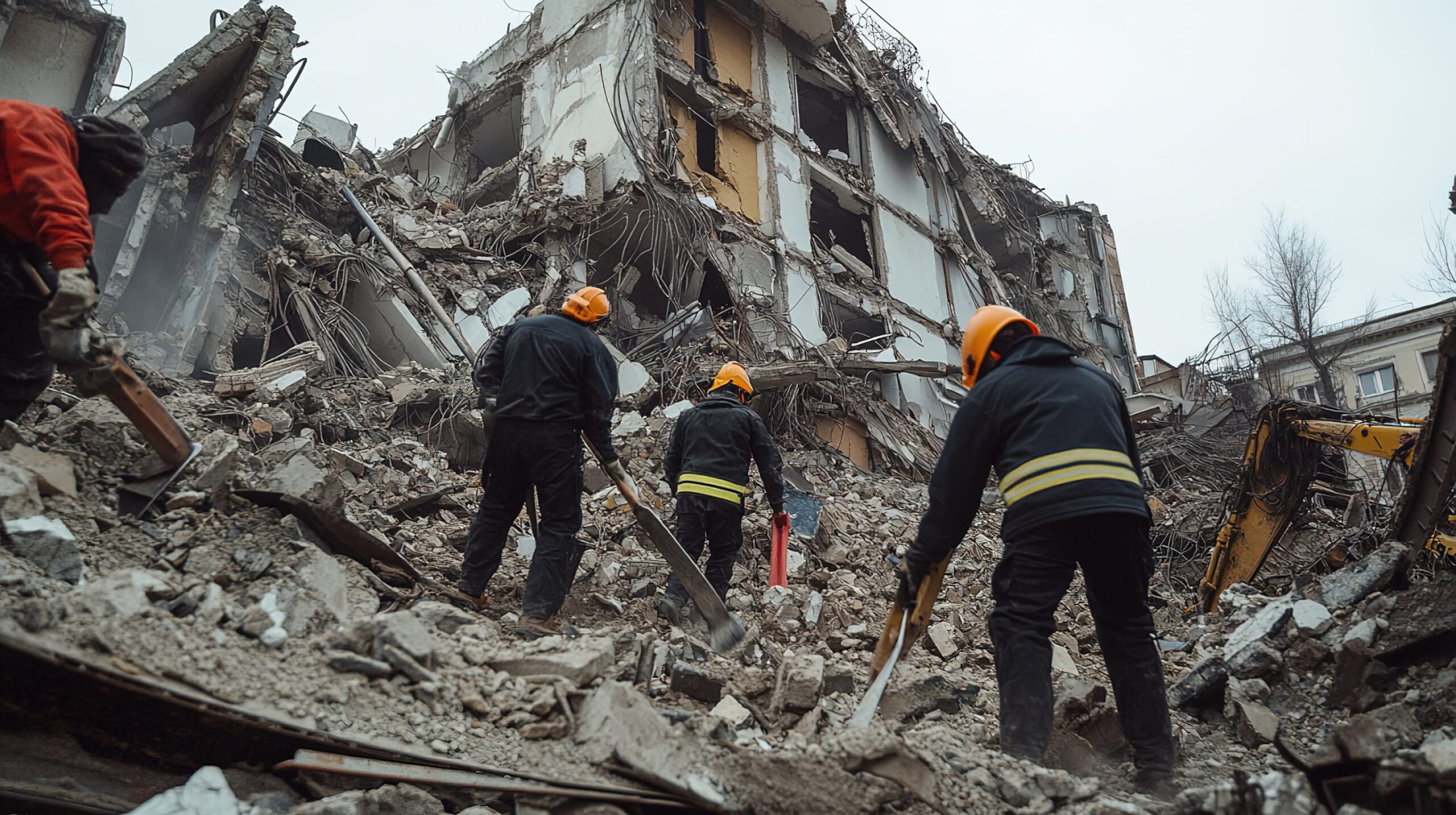
The earthquake’s force was felt far beyond its epicenter. Cali, Pereira, Manizales and Quibdó were among the cities reporting serious destruction, while shaking was also felt across much of Colombia and in neighboring Ecuador, Panama and Venezuela.
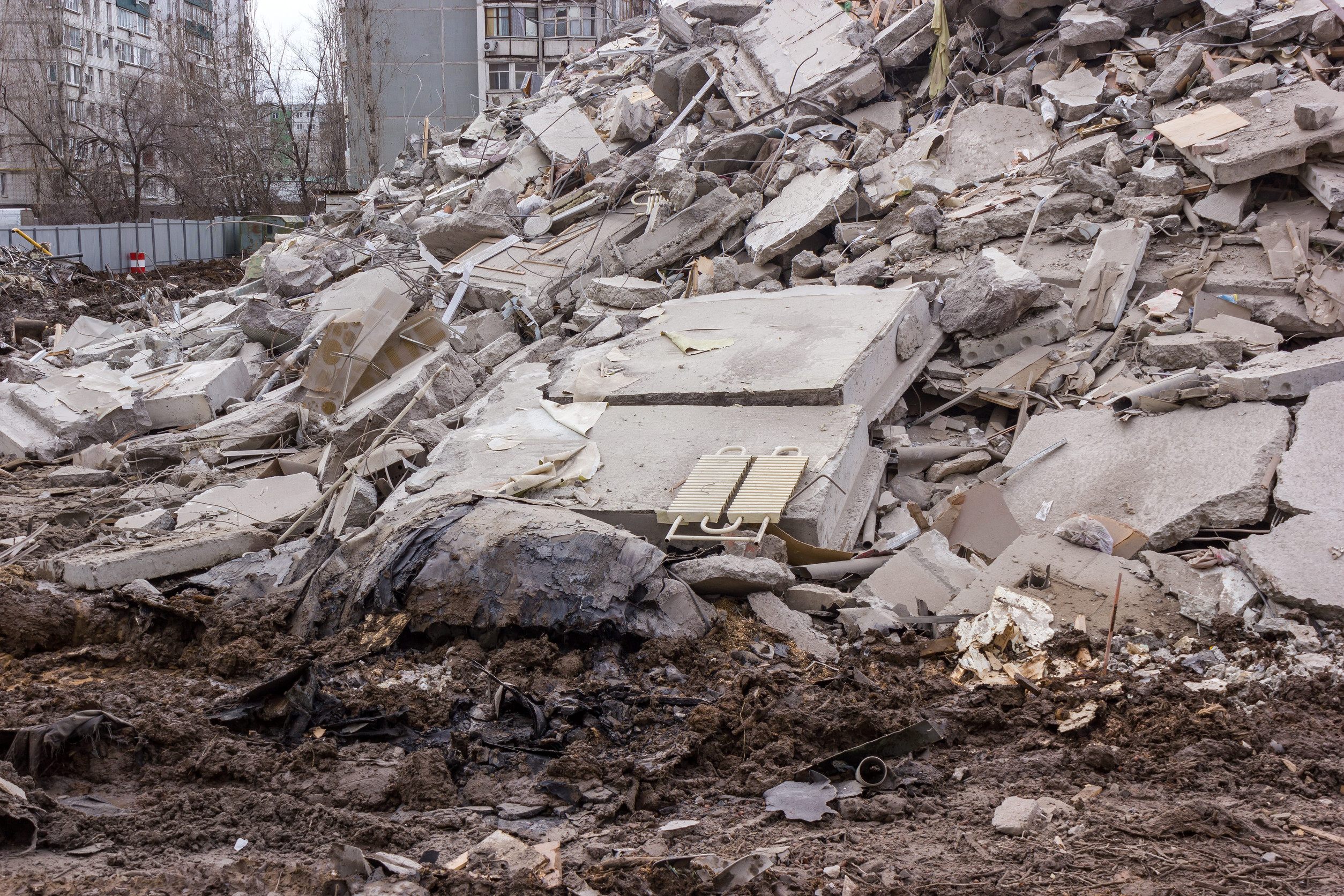
In neighborhoods across western Colombia, the aftermath looked like a landscape interrupted in seconds. Multi-story buildings were reduced to rubble. Walls cracked open. Roads were damaged. Families rushed into the streets while rescue workers, soldiers, police officers and volunteers began searching collapsed structures.
Reuters reported that emergency crews worked through the night using excavators and, in some cases, their hands to move debris while listening for signs of survivors. Cali, a city of about 2.2 million people, suffered some of the worst destruction. A damaged hospital there saw several upper floors partially collapse, forcing hundreds of patients to receive care outside.
Earlier, President Abelardo de la Espriella said at least 61 buildings had completely collapsed, and more than 1,600 homes had been damaged or destroyed nationwide. Health facilities, community buildings and roads were also affected.
Cali authorities initially reported 26 collapsed buildings within the city, along with hundreds of injured residents. Hospitals were pushed to their limits, several medical facilities were evacuated, and additional rescue teams were sent into the city.
A Race Against Time Beneath the Rubble
Every hour now matters.
Search crews are trying to locate people who may still be alive inside collapsed apartments, stores and homes. In one Cali rescue operation, volunteer Carmen Yasmin Garcia told Reuters that her group had pulled seven people alive from a destroyed building while four others remained trapped.
Scenes elsewhere reflected the same urgency. In Pereira, video verified by Reuters showed parts of the airport ceiling falling as people sheltered during the earthquake. Residential blocks were also devastated, leaving concrete slabs, twisted metal and broken household belongings scattered across streets.
The geography of Chocó creates another challenge. Much of the department is covered by dense jungle, and some communities are difficult to reach except by limited roads, boats or aircraft. Communications were disrupted in parts of the region, raising concerns that the complete extent of the damage could take time to establish.
Four Urban Search and Rescue teams from Bogotá, Envigado, Yopal and Medellín were activated by Colombia’s national disaster management authorities. Specialized equipment and additional aircraft were also offered for operations in affected areas.
Colombia Faces Its Strongest Quake of the Century
Colombia’s Geological Service described the 7.4 magnitude earthquake as the largest recorded in the country during the 21st century. The agency also recorded at least 18 aftershocks in the hours following the main earthquake and warned that additional aftershocks were likely.
Colombia sits in a highly active seismic region shaped by interactions involving the Nazca, Cocos, South American and Caribbean tectonic plates. The Geological Service says roughly 2,500 earthquakes are detected across the country in an average month, although most are too small to be felt.
President de la Espriella declared a national disaster and mobilized the government’s emergency response. Curfews were introduced in badly affected cities as authorities tried to keep roads open for ambulances, rescue vehicles and heavy machinery.
International assistance has also begun arriving. The United States announced $15.5 million in earthquake assistance for emergency shelter, food, protection and damage assessments, while governments elsewhere in Latin America offered support.
For families still waiting beside piles of broken concrete, however, the disaster is measured less in statistics than in names.
Rescuers are continuing to dig because somewhere beneath the rubble there may still be movement, a voice or a survivor waiting to be found. And as Colombia enters another day of searching, officials have warned that the confirmed death toll could climb further as emergency crews reach communities still cut off by damage.