A spearfisherman killed by a suspected 15-foot shark near Michaelmas Island has intensified concern over ocean safety in Australia. The fatal attack off Albany in Western Australia came just weeks after two other spearfishing deaths, leaving communities grieving and authorities under scrutiny. With repeated fatalities, the conversation has shifted from a rare tragedy to a question of environment, behavior, and preparedness.
Spearfishing is inherently risky, but these incidents show that experience does not guarantee safety. The recent deaths of Daniel Turpin, Steven Mattaboni, and Michael Jensz reveal how seasonal predator behavior, local ecosystems, and human activity can align in deadly ways. Understanding these factors offers a deeper perspective than headlines alone.
Fatal Attack at Michaelmas Island Highlights Seasonal Predator Patterns
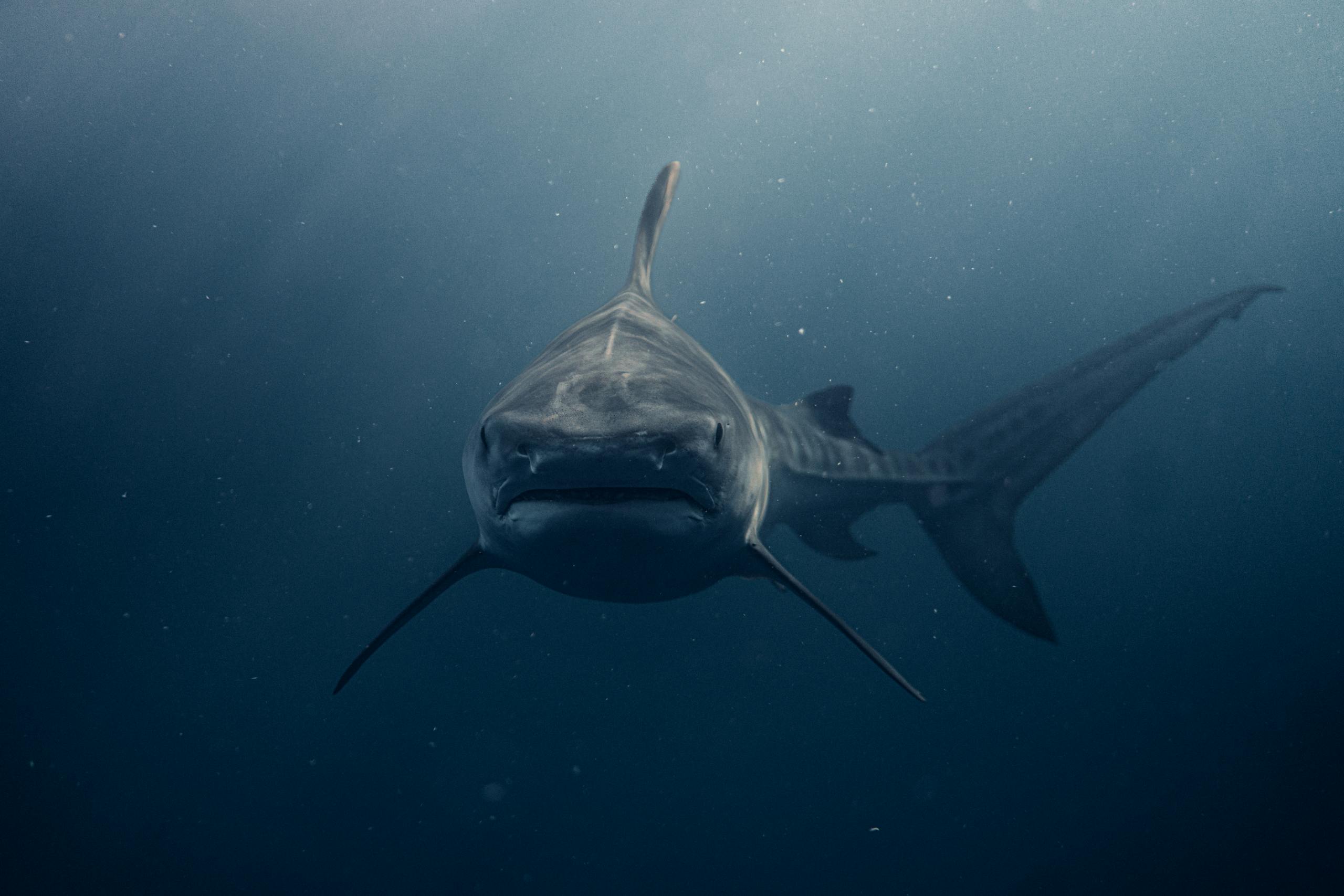
On June 6, 2026, 35-year-old Daniel Turpin was attacked while spearfishing near Michaelmas Island, a protected sand cay in King George Sound near Albany. Authorities suspect a nearly 15-foot great white shark. Turpin was retrieved by boat, but paramedics were unable to revive him. This tragedy marks the third fatal attack in Australia within a month, raising alarms across the diving and fishing community.
King George Sound is known for its dense seal populations and seasonal sardine and salmon runs, which naturally attract large predators. During these periods, sharks are more likely to patrol shallow waters near shore, which coincide with areas frequented by spearfishers. The timing of these attacks illustrates the critical intersection between human activity and natural marine cycles.
Historical Context and Climate Factors Intensify Risk
Australia averages fewer than three shark fatalities per year, yet repeated attacks in a short period make the statistics feel alarming. Researchers suggest that rising ocean temperatures and shifting currents can concentrate prey along the southern and southwestern coasts, bringing sharks closer to areas of human activity. These environmental changes do not increase aggression toward humans, but they do elevate the chances of encounters when divers enter predator-rich waters.
Understanding these patterns can help spearfishers and authorities anticipate periods of heightened risk. Seasonal fish migrations, seal activity, and warmer currents all contribute to temporary spikes in shark presence near common diving sites. Knowledge of these variables is essential for anyone entering the water.
Spearfishing Practices Amplify Exposure
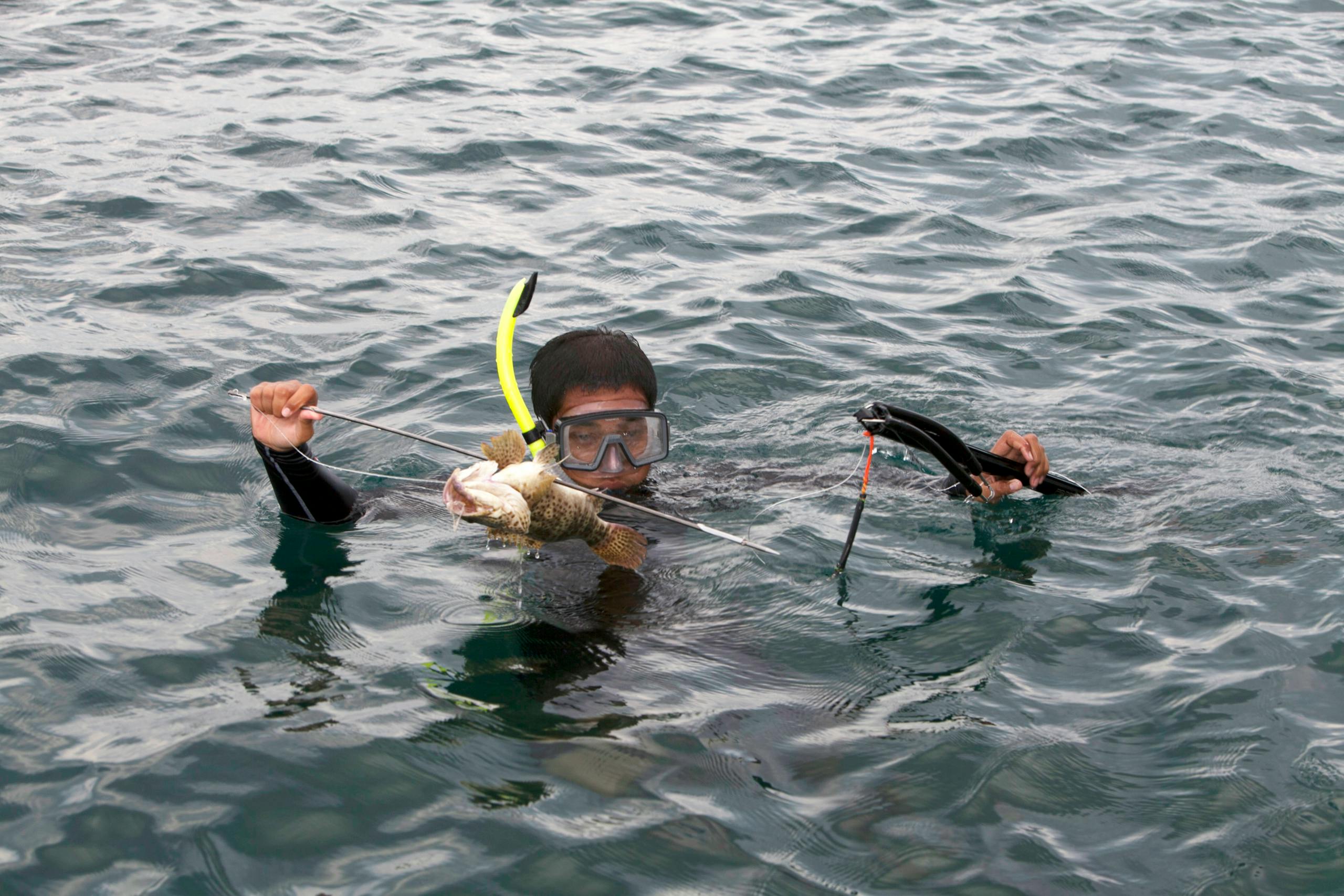
Modern spearfishing often places divers directly in the natural hunting grounds of apex predators. Wounded fish, blood in the water, and underwater vibrations can attract curious or feeding sharks. Carrying speared fish attached to the body or diving alone increases risk, even for experienced divers.
The recent fatalities underline the importance of careful dive planning. Quick removal of speared fish, monitoring for nearby predators, and adherence to local safety alerts can reduce but not eliminate danger. Spearfishing requires both skill and heightened situational awareness, especially in regions known for large shark activity.
Emergency Response Challenges in Remote Areas
Response time is a critical factor in survival during shark attacks. Remote locations like Michaelmas Island complicate rapid medical intervention. Even when paramedics arrive quickly, severe injuries in the water are often impossible to treat effectively. This logistical reality emphasizes the need for prevention strategies over reliance on rescue alone.
Authorities must consider both public education and infrastructure improvements. Ensuring clear communication of high-risk areas, training in emergency response, and maintaining rapid transport options are vital to reducing fatalities in remote waters.
Global Comparisons Emphasize Rarity and Risk
While shark attacks receive sensational coverage, repeated fatal incidents remain rare compared with other ocean hazards worldwide. Regions like Florida, South Africa, and Hawaii experience shark activity, but fatalities clustered within a month are uncommon. Presenting Australia’s recent deaths in a global context underscores both the seriousness and the statistical rarity of such events, helping readers understand the real level of risk.
Comparisons also highlight the role of the local environment and human behavior. In every high-risk region, predator-prey dynamics, human activity, and seasonal patterns dictate when and where encounters are most likely to occur.
Technology and Mitigation Measures Offer Hope
Emerging technologies such as shark-detection drones, acoustic warning systems, and personal shark deterrents can enhance safety for ocean users. While no solution is foolproof, these measures provide additional layers of protection for divers, fishers, and swimmers. Coupled with clear safety protocols, real-time alerts, and activity-specific warnings, technology can reduce the likelihood of encounters escalating into fatal attacks.
Education is equally important. Divers must understand local predator behavior, seasonal risks, and effective avoidance techniques. Awareness combined with preparedness is the most effective defense against rare but deadly encounters.
Human and Societal Impact of Repeated Fatalities
The recent attacks extend beyond statistics. Families, fishing communities, and tourism operators face profound emotional and economic repercussions. Witnesses, dive companions, and local first responders also bear psychological impacts, reinforcing the need for sensitive reporting and measured public response.
Recognizing the human dimension transforms coverage from a sensationalized story into a guide for prevention and community support. It reminds readers that each fatality is a personal loss, not just a news item.
Lessons for Spearfishers and Ocean Users
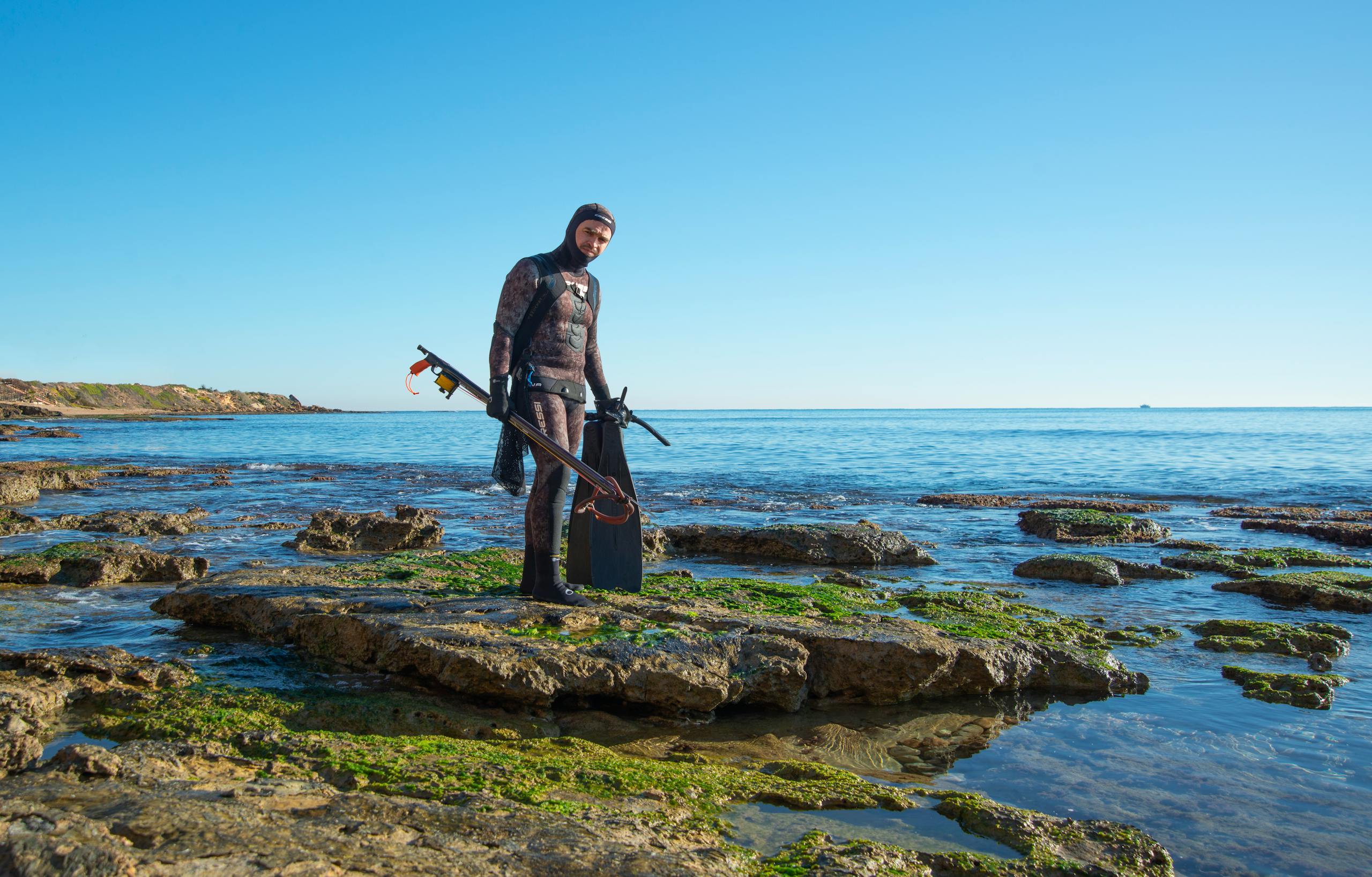
Experienced divers must acknowledge that expertise does not remove risk. Speared fish should be managed carefully, and divers should avoid predator-rich areas when alerts indicate increased shark presence. Local warnings, environmental signals, and adherence to safety protocols are essential. The recent cluster of fatalities demonstrates that preparation, awareness, and risk mitigation are as important as skill in the water.
By treating ocean safety as an active responsibility rather than a passive expectation, divers can enjoy the sport while minimizing exposure to the rare but real danger posed by large predators.
Preparing for the Future of Ocean Safety
The Michaelmas Island attack, alongside recent fatalities at Rottnest Island and the Great Barrier Reef, underscores the delicate balance between human recreation and predator presence. Authorities, local communities, and ocean users must continue to develop layered strategies that combine public alerts, technology, education, and emergency preparedness. This proactive approach acknowledges that the ocean is both breathtaking and unforgiving.
Australia’s coastline remains a place of beauty, adventure, and natural wonder. Tragic shark attacks remind us that these waters command respect, awareness, and preparation. The goal is not to induce fear but to empower ocean users with the knowledge to navigate a complex environment safely.
This version fully integrates historical trends, environmental science, spearfishing behavior, emergency response, global context, technology, and human impact. It is ready for SEO, and removing the diagram keeps the article concise and easier to read.