The turkey may get the photograph, but the dressing can be the dish everyone has an opinion about.
One person wants the browned corner. Another prefers the soft middle, covered with a spoonful of gravy. Someone considers sage essential, while someone else remembers a family version without it.
Even the name can start a conversation. Is the dish dressing because it bakes separately, or stuffing because that is what the family has always called it?
Cooking method offers a useful distinction, but not a universal rule. Regional language, ingredients, and household habits overlap.
Southern cornbread dressing has a particularly rich story. Its foundation connects a familiar holiday side to Indigenous maize traditions, the importance of corn in Southern kitchens, and the contributions of African American cooks to the dish’s history.
Understanding those connections is more revealing than deciding which name wins.
Dressing and Stuffing Are Not Strict Opposites
In common usage, stuffing often describes a mixture cooked inside poultry, while dressing commonly refers to a preparation baked separately.
Actual dinner-table vocabulary is less orderly.
Some families call their casserole-baked side stuffing. Others use dressing for preparations based on cornbread, rice, or other ingredients. Pennsylvania Dutch traditions also include filling.
Food writer Kat Kinsman’s exploration of stuffing, dressing and filling describes how those names resist a tidy national map. Ingredients cross boundaries, too: oysters, sausage, and different breads appear in combinations that resist neat assignment to one region.
Cornbread dressing is therefore not simply the opposite of Thanksgiving stuffing. It is one preparation within a much broader family of seasoned holiday sides.
The name offers a clue. The bread, seasonings, and finished texture tell you more.
Cornbread’s Southern Story Begins Before Thanksgiving
Cornbread rests on an ingredient whose American history predates European settlement.
Indigenous peoples cultivated and ground maize long before colonial kitchens used cornmeal. It formed the foundation of many foods, not just the skillet bread familiar today.
In the South, corn became an important everyday grain. The region’s climate favored its cultivation, and cornmeal became a practical foundation for household cooking.
Simple corn pone combined cornmeal, water, and salt. Other preparations incorporated buttermilk, eggs, and leavening, producing breads with different textures.
That history matters because dressing didn’t require cooks to start with an unfamiliar ingredient. Cornbread already belonged to the daily table.
Its later role in holiday cooking reflects that continuity: an everyday bread could become part of a dish associated with a special meal.
Related: 14 Strange Thanksgiving Traditions That Everyone Pretends Aren’t Weird
An Everyday Bread Became a Regional Marker
Food historian Robert Moss describes cornbread as the South’s primary bread from the colonial period well into the 20th century.
He contrasts its everyday availability with wheat-flour biscuits, which many households treated as special-occasion food rather than a daily staple.
That perspective helps explain why cornbread carries more meaning than simply being an alternative to white bread. It reflects what people grew, milled, and regularly ate.
Cornbread itself also changed. Moss traces the shift from local stone milling to industrial roller milling, along with changes in the texture and character of commercially available cornmeal.
Cooks adjusted their bread preparations as ingredients changed.
A tradition can therefore remain recognizable without being identical across generations. The bread crumbled into a holiday pan may reflect both inherited preferences and the ingredients available to the person making it.
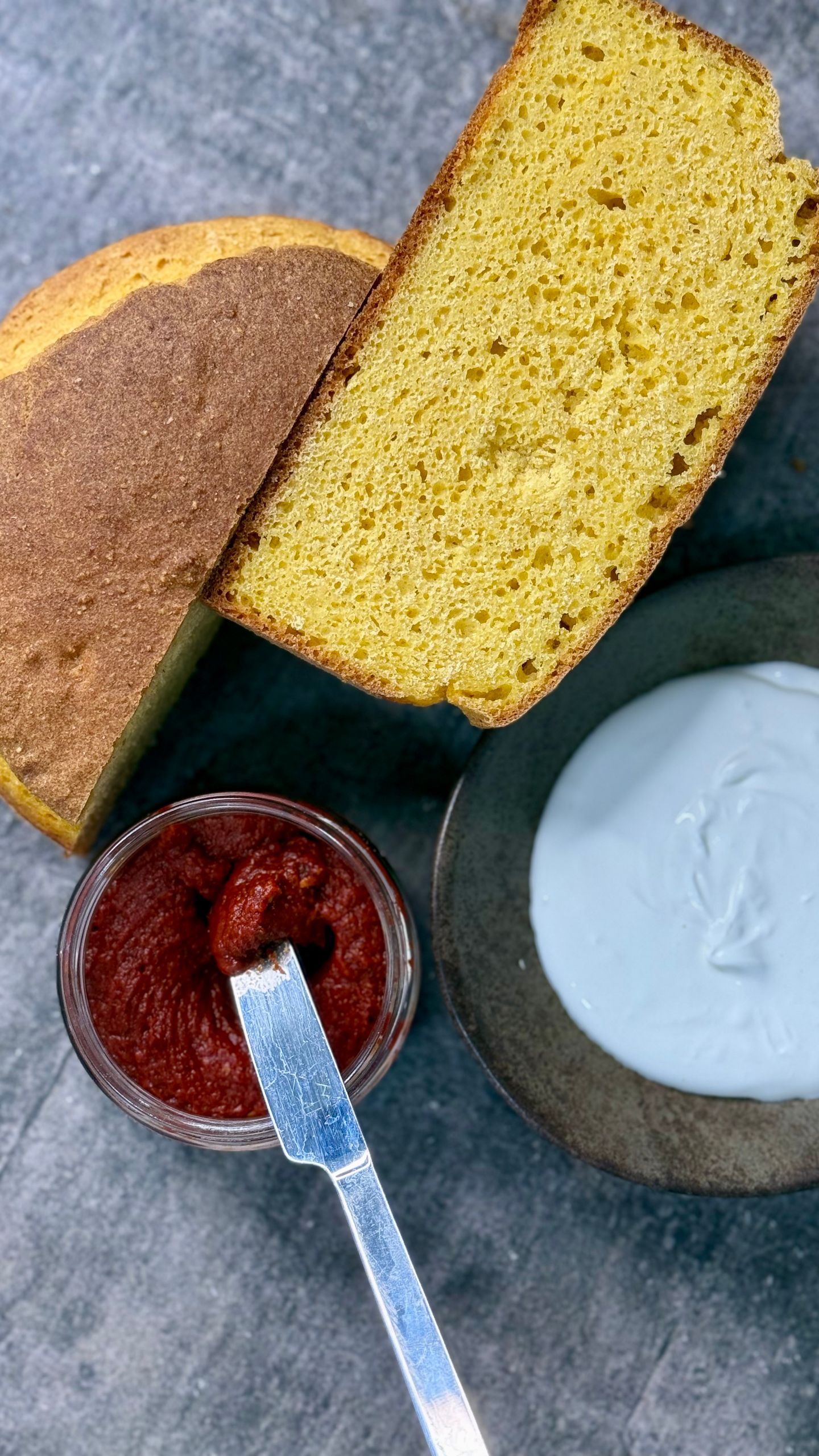
African American Cooks Belong in the History
Culinary historian Michael W. Twitty links Southern cornbread dressing to kush, a seasoned cornbread preparation tied to enslaved communities and African foodways.
His account describes leftover cornbread cooked in fat, sometimes with onions, peppers, herbs, or pieces of preserved pork.
The preparation drew on ingredients available within the restrictive ration system imposed on enslaved people. Recognizing the cooks’ skill does not require romanticizing those conditions.
Twitty also points to memories of kush recorded in 1930s interviews with formerly enslaved people, including recollections from North Carolina and Virginia.
Kush was not identical to every modern baked dressing. Its importance here is the connection Twitty identifies between seasoned, crumbled cornbread and a Southern dish whose history can otherwise be reduced to anonymous household ingenuity.
Naming African American contributions completes that history.
The Difference Is Also in the Texture
Beyond the terminology and history, cornbread dressing has a recognizable physical character.
Large wheat-bread cubes can retain distinct shapes. Finely crumbled cornbread combines with liquid into a more cohesive mixture, which may bake into a soft center beneath a browned surface.
That does not mean all wheat-bread stuffing is chunky or every cornbread dressing is soft. Piece size, added ingredients, and preparation all matter.
Some households favor a dressing that holds together in portions. Others expect a softer consistency suited to a spoonful of gravy.
Southern Bite creator Stacey Little, for example, describes his family’s preference for a softer dressing and leaves sage out of its preparation.
Those choices illustrate how a recognizable regional dish can carry very specific household expectations.
Neither firmness nor one particular herb can settle whether every version deserves its name.
Related: 20 Odd American Traditions That Confuse the Rest of the World
Family Traditions Do Not Follow a Perfect Map
Regional associations help, but they don’t account for every household.
A relative describes Louisiana family preparations involving shrimp and mirliton (chayote), as well as crawfish and cornbread. Her examples also include Portuguese-influenced stuffing in Rhode Island and oyster preparations associated with families in different regions.
Even within the same region, one family’s holiday pan can look quite different from another’s.
They also show why “Southern dressing versus Northern stuffing” is too simple a framework. Cornbread can appear outside the South, and not all Southern holiday sides begin with cornbread.
A family may preserve a preparation that looks unusual beside a neighbor’s, yet both can reflect genuine traditions.
The regional label supplies context. It should not erase the details that make one household’s holiday meal different from another’s.
What Is Worth Passing Along?
The question is not only which ingredients belong in the pan. It is which details the next cook understands.
A written recipe can list bread, broth, and seasoning. It may say less about the crumb size, the mixture’s softness, or the browned edges someone looks forward to every year.
Those are worthwhile things to ask about while the person who knows them is nearby.
Keeping a tradition alive does not require declaring it unchanged or superior. It can mean understanding why one family chose a particular bread, preferred one texture, or left out an ingredient others consider essential.
Cornbread dressing and Thanksgiving stuffing do not need a winner. Their differences offer room for several histories at the same table. What detail could you learn from the cook beside you this Thanksgiving that would help keep your family’s version alive?