An oyster festival might sound like a perfectly good excuse to eat your way through a fall afternoon. At Maryland’s U.S. Oyster Festival, that is certainly part of the appeal: raw oysters, fried oyster sandwiches, steaming bowls, and enough seafood choices to keep decisions interesting. But this annual gathering also puts the people behind the plate in view, from working watermen and oyster farmers to cooks and championship shuckers. The food draws visitors in; the livelihoods and traditions give them something more to chew on.
The festival marked its 60th edition on October 17 and 18, 2026, at the St. Mary’s County Fairgrounds in Leonardtown. Hosted by the Rotary Club of Lexington Park, the two-day celebration combined seafood, live entertainment, local vendors, a culinary showcase, and the U.S. National Oyster Shucking Championship. That combination gives it staying power: Maryland’s maritime heritage isn’t simply displayed behind glass. Visitors can taste it, watch its skills in action, and meet people whose working lives remain tied to the water.
A Seafood Celebration With Community at Its Core
The festival began in 1967, when the Rotary Club of Lexington Park sought a project that would involve its members while benefiting the community. The inaugural gathering took place on October 7 at the county fairgrounds and drew just under 1,000 visitors,according to the club’s history, as reported by The BayNet. It expanded into a two-day event in 1974. What began as a local undertaking developed into an annual celebration with a national competition, without losing its community purpose.
That purpose remains more concrete than a general promise to celebrate seafood. The festival’s official website states that “100% of all ticket sales andrevenues raised by the Rotary Club of Lexington Park areinvested back into the community.” Other participating organizations also raise money through the event. That wording matters: the pledge specifically concerns money raised by Rotary, rather than every dollar spent with every independent vendor. Visitors attend a seafood celebration that also serves as a community fundraiser.
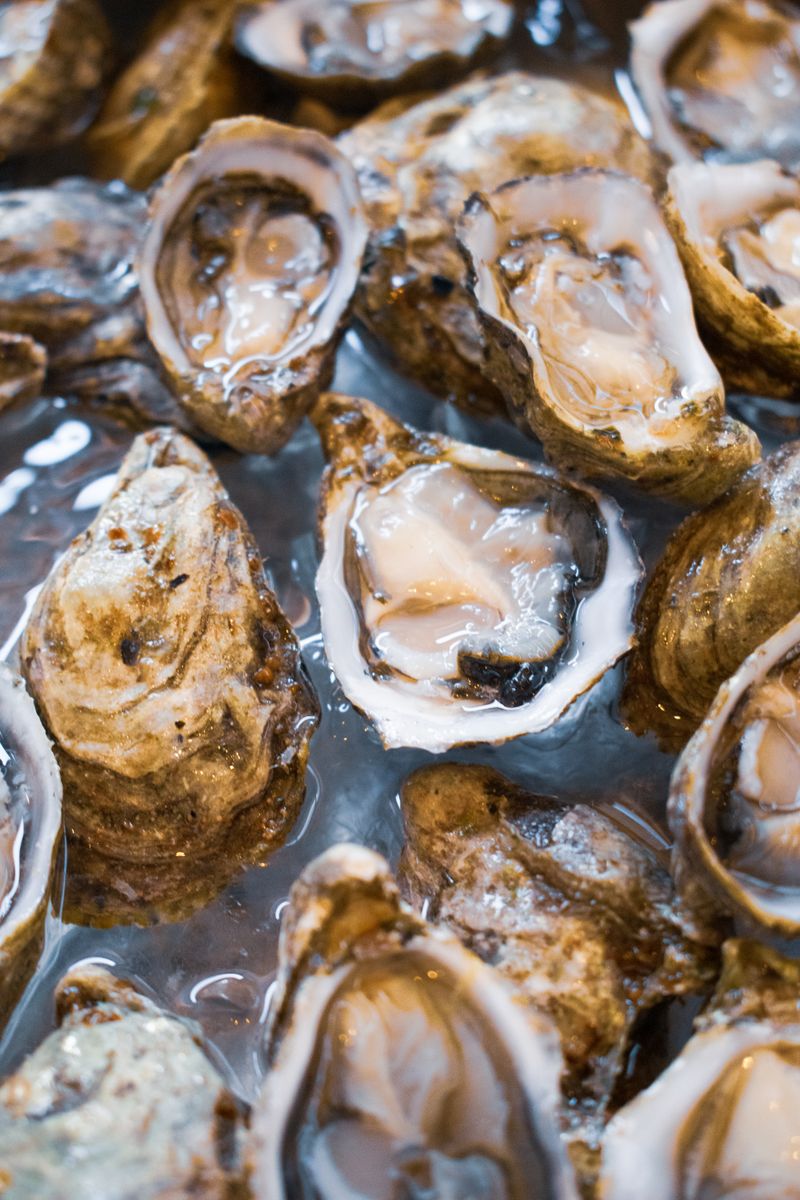
The 2026 gathering showed how much activity fits around the oysters. Alongside seafood stands, visitors found arts and crafts, music, dance performances, and children’s activities. Local farms and regional vendors served raw oysters under the main tent, while others offered fried, steamed, and stewed preparations. Those choices give the festival a broader reach than a raw-bar outing alone.Someone who prefers an oyster sandwich to a half shell can still participate in the same regional food tradition.
Shucking Turns a Working Skill Into a National Show
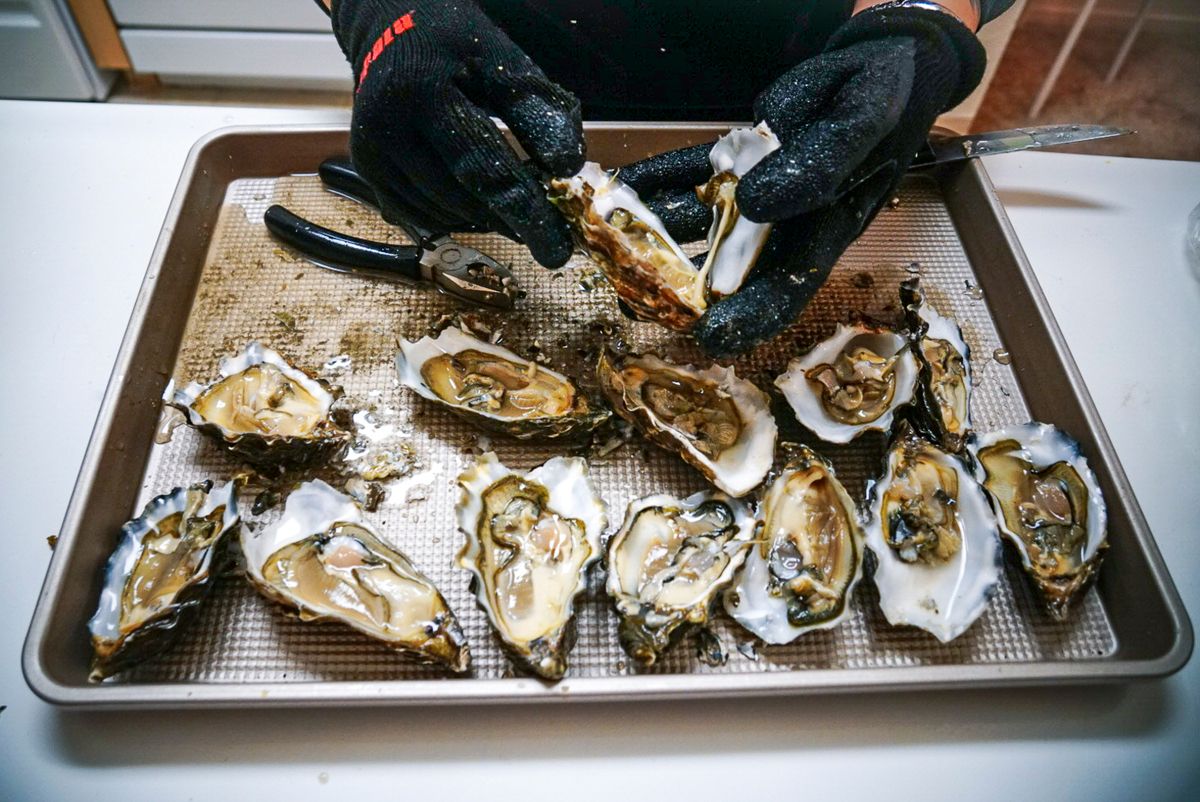
The championship gives this food festival its competitive edge, but opening an oyster quickly is only part of the assignment. Professional competitors face 24 oysters, and judges inspect their finished trays for problems including shell fragments, damaged meat, and oysters not fully separated from their shells. Mistakes add penalty seconds, so a dramatic burst of speed can lose its advantage under inspection. As longtime judge Bob Feldman told The BayNet, “Slow and steady. Less penalties, better time.”
In 2026, Andy Rogers of Jolie Rogers Raw Bar in Wiscasset, Maine, won the national title, followed by Jay Gallet and Isabella MacBeth, according to the festival’s official results. The victory earned Rogers the opportunity to represent the United States at the 2027 World Oyster Opening Championship in Galway,Ireland. That international connection helps explain the championship’s importance: a county fairgrounds in Southern Maryland becomes a gateway to a world stage for a highly specialized seafood skill.
The contest also highlights regional techniques. Feldman told The BayNet that many national competitors open oysters at the hinge, while Southern Maryland watermen traditionally work from the opposite end, known as the bill. Meanwhile, the field has broadened from its early ties to Chesapeake Bay watermen and shucking houses to include restaurant, raw-bar, and seafood-business professionals from around the country. Seven-time U.S. champion Honor Allen expressed the generational stakes directly: “I’d love to be an advocate to help the youth get into these events and carry on these traditions.”
Related: 10 California Restaurants Serving Exceptional Wood-Grilled Seafood
The Best Reason to Celebrate Is Also a Reason to Pay Attention
The kitchen offers another route into that heritage. Instead of the traditional National Oyster Cook-Off, the 2026 festival featured returning participants Ellynne Davis, Daniel Myers, and Debbie Reynolds, with audience members selected by raffle to judge their dishes. Reynolds, a five-time cook-off champion, brought bacon-chipotle grit cakes with oyster gravy and poached oysters. Her guiding principle was refreshingly straightforward: “Oysters have to be the star. It’s an oyster festival, after all.” The showcase showed how familiar seafood can inspire new dishes without getting lost beneath them.
For Maryland’s seafood producers, that audience connection serves both a business and a cultural purpose. Harrison Palmer, chief of staff for the Maryland Department of Agriculture, told The BayNet that helping producers market and sell their seafood can give them the confidence to invest in their businesses. He also connected the industry’s prospects to the Chesapeake’s condition: “You can’t have a healthy oyster population and a healthy aquaculture environment if you don’t have a healthy bay.” A festival can’t solve those challenges, but it does create a place to discuss them with consumers.
The celebration also leaves room for the less festive realities of working on the water. Willie Dean, chairman of the St. Mary’s County Watermen’s Association, and Robert T. Brown, president of the Maryland Watermen’s Association, described pressures including fuel costs, earnings, equipment expenses, and barriers facing newcomers. “There’s very few young people coming into the industry,” Dean told The BayNet. That is why the festival’s role extends beyond serving a memorable lunch: it keeps Maryland’s seafood traditions connected to the people, skills, and businesses needed to carry them forward.
Other Stories You Might Like
- These 10 Restaurants Were Top Picks for Baby Boomers in the 1980s, and Millennials Have Never Heard of Them
- Chicago Stole New York’s Steakhouse Crown And Meat Lovers Are Booking Flights to the Windy City