Sometimes dessert looks so impressive that you can’t wait to take a bite. Then the first spoonful arrives, and suddenly there’s too much frosting, too many competing flavors, or so many toppings that you can barely find the dessert underneath.
There’s nothing wrong with an indulgent treat. A generous slice of cake or an elaborate sundae can be exactly what the occasion calls for. But even the most exciting dessert benefits from a little balance.
Here are eight ways a good dessert can become overwhelming, and why adding more doesn’t always improve the experience.
When Sauce Takes Over the Dessert
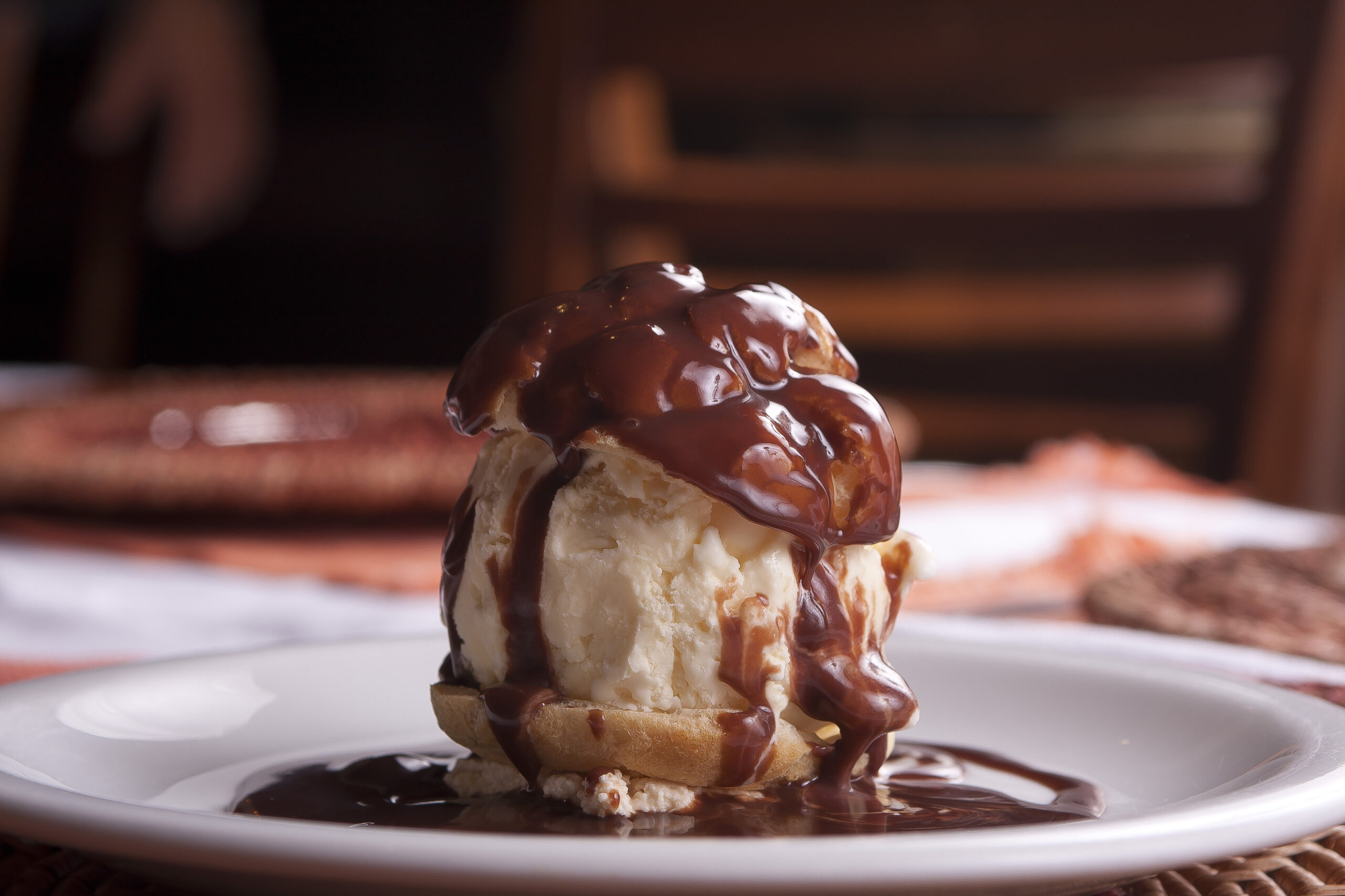
Excessive sauce can make an already rich dessert feel unnecessarily complicated. Chocolate, caramel, and other sauces can provide wonderful contrasts, but they work best when they complement what’s underneath.
Chili’s Molten Chocolate Cake offers an example of a dessert built around several distinct elements. Its published description includes chocolate cake with a molten center, vanilla ice cream in a chocolate shell, and caramel drizzle.
Those components are meant to work together, and their presence doesn’t mean the restaurant uses too much sauce.
The broader point is about keeping each part recognizable. When sauce completely dominates a dessert, it can become harder to appreciate the cake, filling, or ice cream that makes the dish special.
When the Portion Is Bigger Than the Occasion
Oversized desserts can make an unforgettable entrance, especially when they’re designed for a group. Sugar Factory’s King Kong Sundae is one example, described as featuring 20 scoops of ice cream, several sauces, candies, cookie chunks, a doughnut, a cupcake, and other toppings.
The sundae is specifically marketed for sharing, so its size is part of the intended experience. Ordering an enormous dessert isn’t unreasonable when everyone understands what they’re getting.
The problem comes when the portion doesn’t match the occasion. A dessert meant for a celebration may feel excessive when someone simply wants a small sweet finish after dinner.
The takeaway isn’t that big desserts are bad. It’s that the right portion depends on who is eating and how the dessert will be enjoyed.
When One Dessert Has Another Dessert Sitting on Top
Dessert-on-dessert creations take indulgence quite literally. Black Tap’s CakeShake, for example, combines a cake-batter milkshake with a frosted, sprinkle-covered rim, whipped cream, a cherry, and an entire slice of Funfetti cake.
It’s a playful combination that brings two recognizable desserts together in one presentation. For someone celebrating a special occasion, that extravagance might be exactly what they want.
But combining desserts also changes how you eat them. Instead of simply enjoying a milkshake, you’re deciding what to do with the cake and how the two parts work together.
Sometimes, the experience is worth the extra effort. Other times, a delicious milkshake and a separate slice of cake might be just as satisfying.
When Frosting Overpowers the Cake
Too much frosting can turn a beautifully baked cake into something where the topping gets all the attention. Frosting should complement the cake’s flavor and texture, but the balance depends on the type and amount used.
American buttercream, for example, can taste sweeter than meringue-based alternatives. Swiss buttercream, Italian buttercream, and whipped-cream frosting offer different ways to finish a cake.
A generous coating isn’t automatically a mistake. Some people genuinely enjoy a thick layer of frosting, especially when it pairs well with the cake beneath.
Still, there’s something appealing about a dessert where you can appreciate both the crumb and the topping. Even a lightly frosted, naked-style cake can look elegant without covering every inch.
When Every Layer Tastes Equally Sweet
Sweetness without contrast can make a dessert feel repetitive, even when the individual components are enjoyable. Think about a cake where the filling, frosting, glaze, and garnish all emphasize the same sweet flavor.
The issue isn’t necessarily how much sugar the recipe contains. It’s whether the different elements create enough variety to keep each bite interesting.
Traditional seven-minute frosting shows how bakers can add complexity with ingredients like toasted sugar and salt. These elements help shape the finished flavor rather than simply adding another sweet layer.
Of course, changing a tested frosting recipe isn’t as simple as removing sugar, which also contributes to its structure. The better lesson is to consider flavor balance when choosing how different dessert components work together.
Related: For more examples of desserts built around contrasting flavors and textures, explore 16 Delicious International Desserts You Deserve to Know About.
When Too Many Flavors Compete for Attention
Overloaded flavor combinations can make a dessert confusing rather than exciting. A cinnamon roll covered with several toppings might sound wonderful individually, but the ingredients still need to work together.
Cinnaholic shows how customizable a dessert can be. Its menu lets customers choose a frosting flavor and add up to five toppings, including fruit, cookie dough, brownie bites, nuts, sauces, and candies.
That flexibility is part of the fun. For example, a combination built around chocolate can create a recognizable theme, while several unrelated flavors may compete for attention.
The key distinction is that more ingredients don’t automatically make a dessert worse. A thoughtful combination can be elaborate and delicious, while an unfocused one may leave you wondering which flavor was supposed to stand out.
When Everything Has the Same Rich Texture
Rich desserts without enough textural contrast can feel repetitive after several bites. Creamy fillings, soft cake layers, and thick frosting can all be enjoyable, but they work best when each brings something distinct.
The Cheesecake Factory’s 30th Anniversary Chocolate Cake Cheesecake is a layered dessert that combines chocolate cake, cheesecake, chocolate-cream icing, and crunchy chocolate pearls.
A published tasting praised the combination, showing that several rich elements can work beautifully together. Adding a crunchy component also provides a different sensation from the softer layers.
The lesson isn’t to avoid rich desserts. It’s to appreciate how texture, flavor, and contrast can make even an elaborate creation feel thoughtfully composed.
When Decorations Make Serving Difficult
Elaborately decorated celebration cakes can look spectacular, particularly when several tiers, carefully arranged decorations, and detailed frosting designs come together.
But complex cakes often require more planning than an ordinary dessert. Multi-tier constructions may need structural supports, careful transportation, and a specific approach to final decoration and serving.
Those details don’t mean the design is poor. They’re part of making an ambitious cake possible.
Problems arise when nobody considers how the finished creation will be divided and served. A beautiful cake should still allow guests to enjoy the dessert without unnecessary confusion.
Sometimes, the most thoughtful finishing touch is making sure the cake can be sliced and shared comfortably.
A Great Dessert Knows What Makes It Special
A memorable dessert doesn’t have to be small, simple, or restrained. Giant sundaes, loaded cakes, and elaborate milkshakes can all be enjoyable when their ingredients and presentation work together.
The difference is whether each addition contributes something worthwhile. A topping can create contrast, a sauce can highlight a flavor, and an unusual texture can make the next bite interesting.
More isn’t always better, but when everything has a purpose, even the most extravagant dessert can feel beautifully balanced.