Canned foods are supposed to make life easier. They sit in the pantry, come in handy when you’re short on time, and can save you an extra trip to the grocery store. But if you recently stocked up on canned sausages, you may want to take a closer look at what’s sitting on your shelves.
The U.S. Department of Agriculture (USDA) has issued a public health alert involving two varieties of Grace chicken Vienna sausages distributed to retail stores in five states. The warning, announced October 6, 2026, concerns products imported from Jamaica that did not meet U.S. meat and poultry import requirements. Federal officials advise consumers not to eat the affected sausages, even though no illnesses or injuries were confirmed when the alert was issued.
Which Canned Sausages Are Affected?
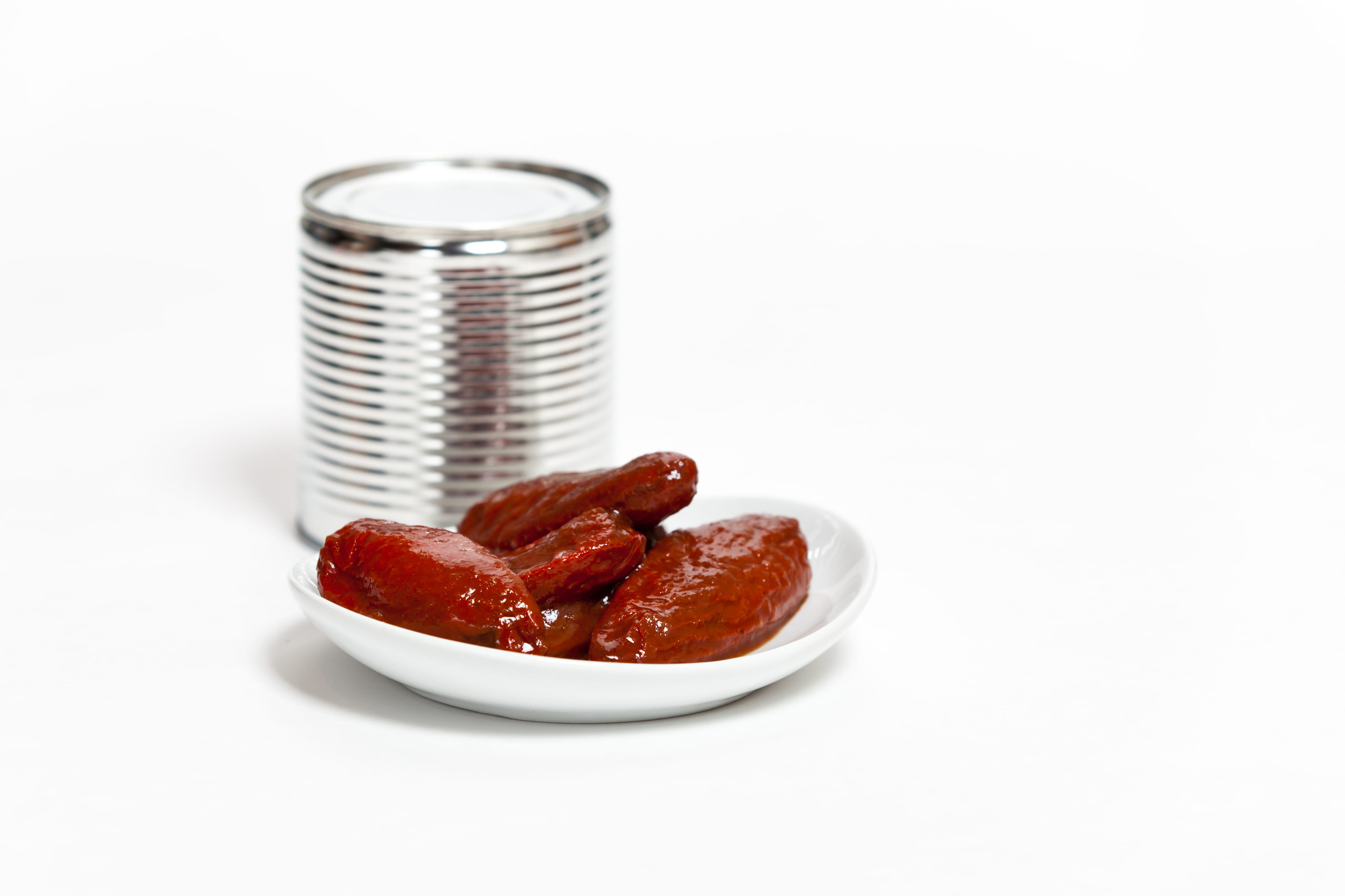
Before you start pulling every canned meat product out of your pantry, here’s some good news: the alert identifies two specific products. Both are sold under the Grace brand and come in 140-gram cans (about 4.9 ounces).
The affected products are Grace Ready to Eat Chicken Vienna Sausages and Grace Ready to Eat Chicken Vienna Sausages Hot & Spicy. The USDA says the warning applies regardless of the product date, so don’t assume a can is excluded simply because its printed date looks different.
Check one more important detail. The affected cans carry the establishment number “EST. NO G-01” inside the Jamaican inspection mark. That identifier, along with the brand, product name, and package size, can help shoppers determine whether they have one of the affected products.
These 5 States Received the Products
According to the USDA, the affected chicken Vienna sausages were distributed to retail locations in Alabama, Florida, Georgia, Maryland, and Texas. That means shoppers in these states should check their kitchen cabinets, especially if canned sausages are a regular grocery purchase.
The agency did not name specific supermarket chains in its announcement. It also did not provide a complete public list of individual stores that received the products, making the information printed on each can especially important.
Even if you live outside these five states, it’s still sensible to check for a matching product. Groceries can travel with family members, get packed during moves, or be purchased while visiting another state. The USDA’s warning identifies the products themselves, not just the places where they were distributed.
Why Is the USDA Warning Consumers?
Here’s where the situation gets interesting. This warning wasn’t triggered by a reported contamination problem or a confirmed outbreak of foodborne illness.
Instead, the USDA’s Food Safety and Inspection Service (FSIS) found that the sausages were imported from Jamaica, a country not currently eligible to export meat or poultry products to the United States. The issue came to light during routine federal surveillance of imported products already in commerce.
Import eligibility matters because meat and poultry entering the United States must meet federal inspection and regulatory requirements. Without meeting those requirements, the products cannot legally enter the U.S. market through that import route.
At the time of the October 6 announcement, FSIS said it was investigating how the sausages entered the country. The public health alert did not identify a specific bacterial contaminant, processing defect, or confirmed food-safety failure involving the cans.
What Has the Manufacturer Said?
GraceKennedy Foods, commonly known as GK Foods, responded to the USDA announcement on October 7. The company clarified that it does not export its Jamaican-manufactured Grace Chicken Vienna Sausages to the United States and had not authorized another company to do so on its behalf.
GK Foods also explained that Grace Vienna sausages distributed through its authorized U.S. channels are manufactured at facilities that comply with USDA requirements. In other words, consumers shouldn’t automatically assume every Grace-branded sausage product sold in America is covered by this warning.
The company maintained that the alert concerned import eligibility rather than an identified contamination problem. However, that distinction does not change the USDA’s instructions for consumers who have the affected Jamaican-made products.
Related: The Top 10 “Unhealthy” Foods That Are Surprisingly Beneficial for Your Health
Is This a Recall or a Public Health Alert?
You may see the words “recall” and “alert” used interchangeably in headlines, but they’re not exactly the same thing. In this case, the USDA issued a public health alert rather than announcing a formal product recall.
A recall generally involves a company removing affected products from commerce. A public health alert communicates a concern that consumers need to know about, along with any recommended precautions.
For shoppers, the immediate advice is straightforward regardless of the terminology. If a can matches the affected product details, the USDA says not to consume it.
Related: FDA Flags Olive Oil Recall Over an Unapproved Garlic Ingredient
What Should You Do If You Have These Sausages?
If you’re wondering whether a can in your pantry is affected, start by checking the brand and product name. Next, confirm the 140-gram package size and look for the Jamaican establishment number. Remember, the warning covers both the original and Hot & Spicy varieties, regardless of the product date.
If your can matches, the USDA recommends throwing it away or returning it to the place where you bought it. Keeping it for another meal isn’t worth ignoring an official food-safety warning.
The agency reported no confirmed illnesses or injuries connected to these products when the alert was announced. Anyone concerned about an illness or injury after consuming the sausages should contact a health care provider.
For questions about the alert, consumers can contact Sandra Campbell at 305-887-9523 or [email protected]. General food-safety questions can also be directed to the USDA Meat and Poultry Hotline at 888-674-6854.
A Quick Pantry Check Could Save You Trouble
It’s easy to forget what’s tucked behind the canned beans, soup, and vegetables, especially when you’re stocking up for busy weeks. This warning is a useful reminder that even shelf-stable groceries deserve an occasional second look.
You don’t need to empty your entire pantry or stop purchasing canned sausages. Simply check the specific Grace products identified in the USDA announcement, follow the agency’s instructions if you find a match, and keep an eye on official updates.
A quick look at those forgotten cans today could prevent an avoidable problem at your next meal.
Other Posts You May Like
- 5 Healthy Foods That Actually Turn Toxic When You Reheat Them
- New Snap Rules, Same High Prices: How Low-Income American Families Are Coping