Many of the foods we now love started as desperate solutions to scarcity. Families with little money or limited ingredients turned simple staples into edible, filling meals. What once kept people alive is now celebrated on menus and at dinner tables worldwide. Recognizing these origins shows how ingenuity and necessity can produce lasting culinary traditions that survived hunger, hardship, and time.
Bread Pudding
Bread pudding was a clever way to transform stale bread into a filling, sweet dessert. Families combined old bread with milk, eggs, and minimal sugar, stretching resources while creating something satisfying. Over time, this humble survival tactic evolved into a classic comfort food, celebrated across cultures, proving that necessity often sparks culinary innovation.
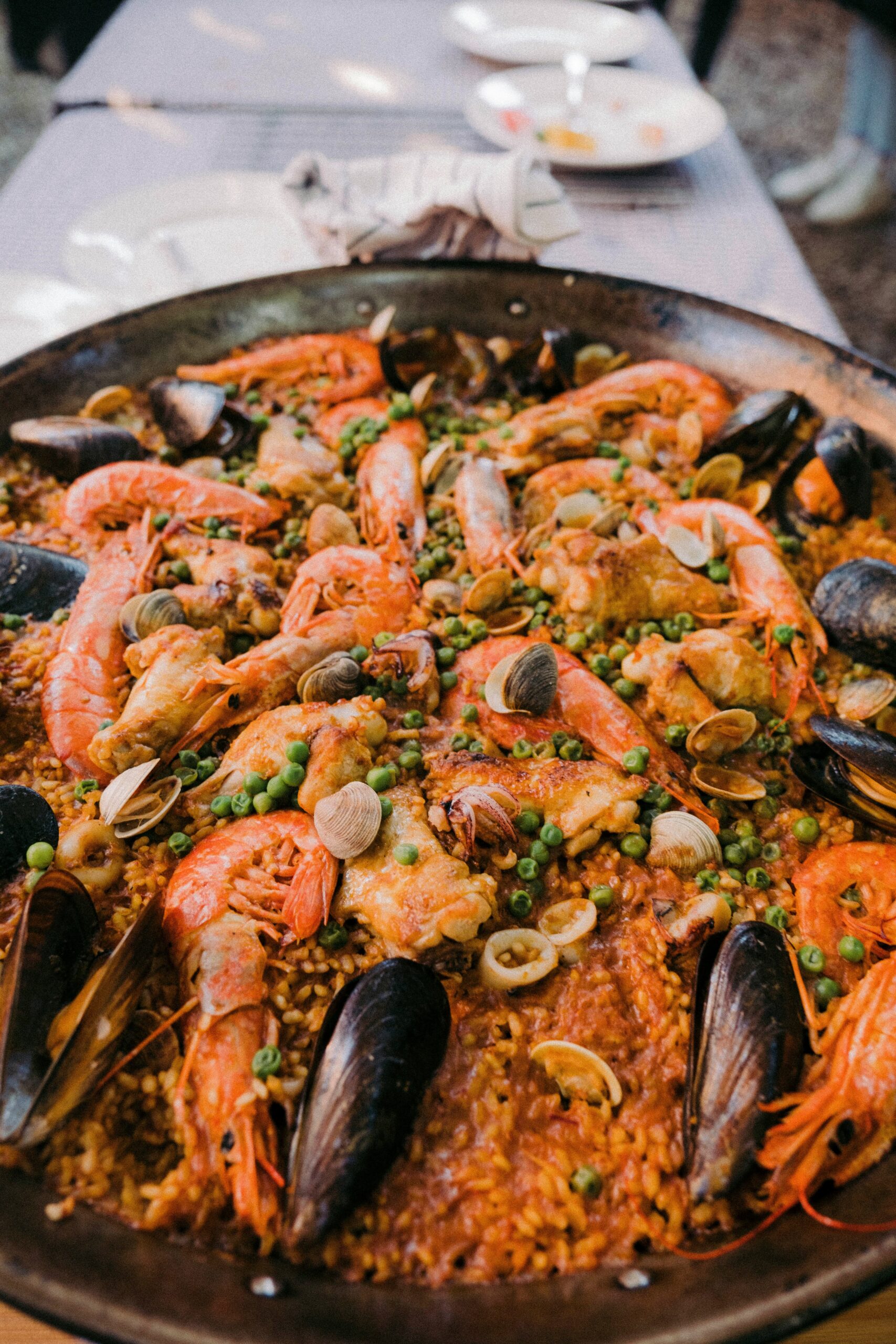
Paella
Originally a peasant meal, paella combined rice with whatever protein and vegetables were on hand, from rabbits and snails to seasonal greens. It was cooked over open flames for farmworkers and families with few resources. Today, it’s an international gourmet dish, yet its humble beginnings show how hunger-driven creativity can become world-renowned cuisine.
Goulash
Hungarian goulash began as a simple, hearty stew for shepherds and laborers. Cheap cuts of meat, onions, and paprika created sustenance, not luxury. Its evolution into a rich, flavorful dish highlights how frugal cooking techniques can yield dishes that transcend social class, becoming cultural staples enjoyed by generations.
French Toast
French toast emerged as a practical way to revive stale bread by soaking it in milk and eggs for a breakfast treat. Its purpose was filling and affordable meals, not indulgence. Today, it’s a versatile dish enjoyed sweet or savory, demonstrating that simple solutions to scarcity can become cherished traditions.

Pizza
The original pizza was a working-class meal for Neapolitans, topped with basic, inexpensive ingredients like tomatoes, garlic, and oil. It provided energy for laborers at minimal cost. Now, pizza is a global phenomenon with elaborate toppings, showing how frugality can evolve into one of the world’s most beloved dishes.
Cornbread
Cornbread was essential in households where wheat was scarce. Made from cornmeal, it was filling, affordable, and versatile, serving as a dietary staple for families with limited resources. Today, cornbread is celebrated as a soul-food classic, a simple dish whose origins remind us of survival-driven cooking.
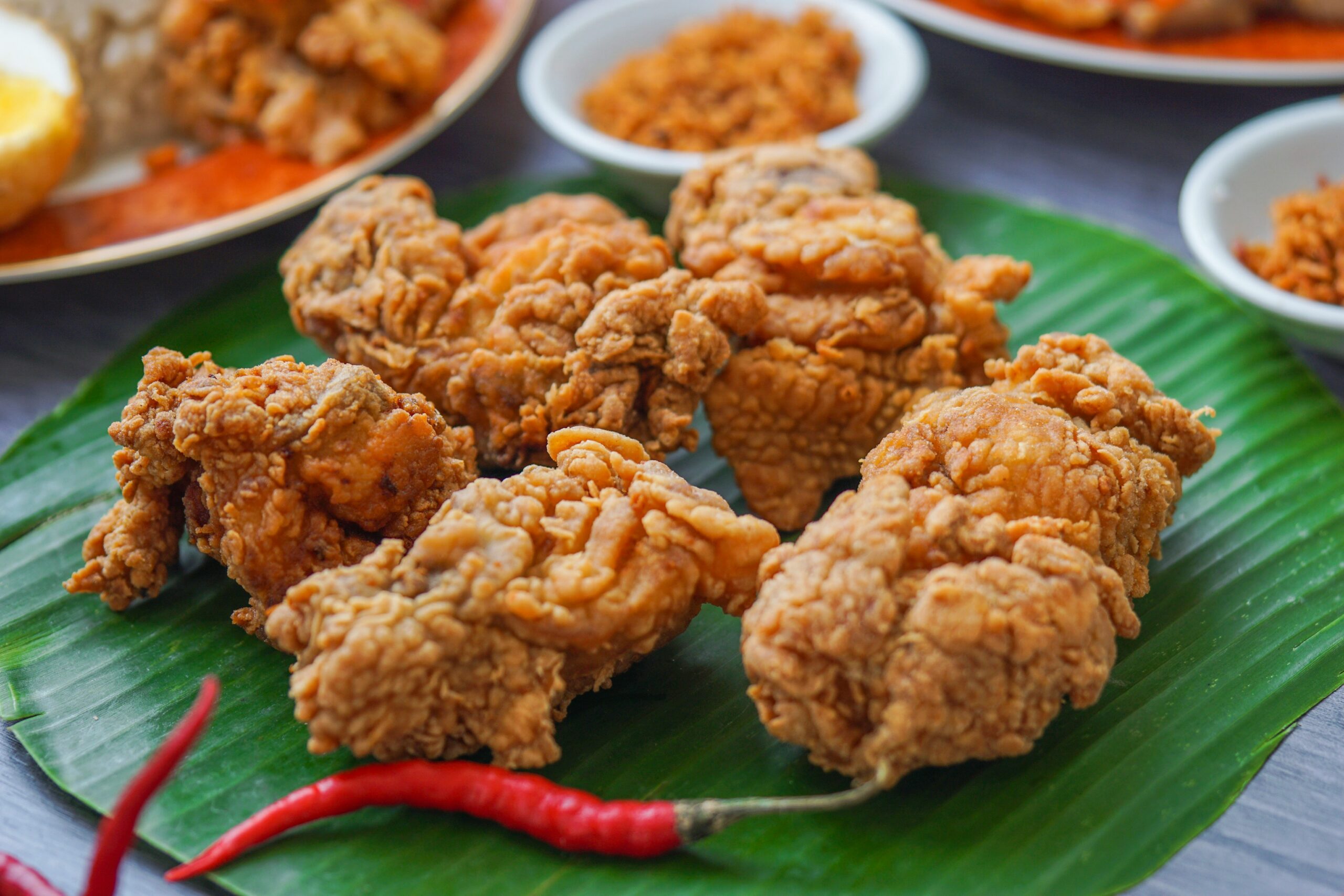
Fried Chicken
Fried chicken was originally a method to make inexpensive cuts of poultry more flavorful and satisfying. Seasoning and frying stretched limited ingredients, creating a hearty meal for families on a budget. Over time, it evolved into a universally loved comfort food, showing how necessity can define culinary tradition.
Sourdough Bread
Sourdough emerged as a way to bake without commercial yeast, relying on natural fermentation. It was a survival technique for people with limited ingredients. Now, sourdough is prized for its tangy flavor and artisanal quality, proving that humble beginnings can produce enduring culinary prestige.
Jiggs’ Dinner
Traditional in Newfoundland, Jiggs’ dinner is a boiled meal of salt beef, cabbage, and root vegetables that feeds families affordably. It prioritized nutrition and resourcefulness. Today, it’s a cultural hallmark that demonstrates that simple, survival-driven meals can become beloved national dishes.
Macaroni and Cheese
Originally a simple pasta with cheese, macaroni and cheese was a filling, inexpensive dish for struggling households. It provided calories and comfort with minimal ingredients. Modern versions are rich and decadent, yet the dish’s enduring popularity shows the power of humble, adaptable recipes.

Ramen
Instant ramen began as a cheap, easy-to-prepare meal for workers and students in Japan. It offered nourishment at minimal cost. Today, ramen is celebrated worldwide with gourmet broths and toppings, transforming a poverty solution into a culinary icon.
Bean Stews
Across cultures, simple bean stews were a cheap, protein-rich solution for low-income families. Ingredients varied by season, but the goal was the same: sustenance. Modern interpretations are elevated yet retain their humble roots, reminding us of how survival meals shape enduring recipes.
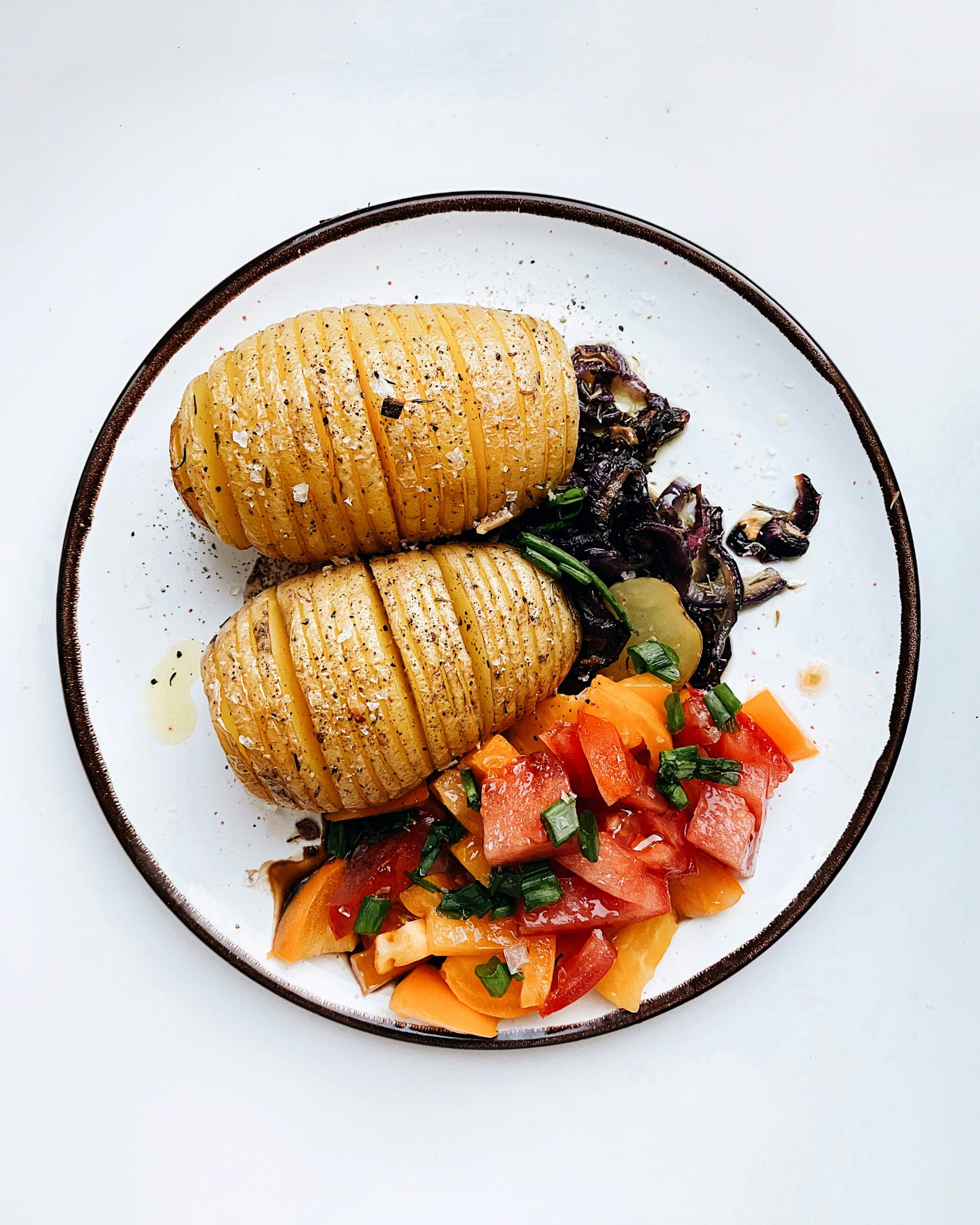
Potato Dishes
Potatoes were affordable, filling, and versatile, often forming the backbone of meals for poor households. From mashed potatoes to gratins, creative cooks stretched this humble tuber into a variety of satisfying dishes. Many of today’s comfort foods owe their origins to these economic necessities.
Many iconic foods grew from necessity, frugality, and resourcefulness rather than wealth or gourmet skill. What began as survival strategies has evolved into beloved dishes worldwide, demonstrating how ingenuity in the face of scarcity can leave a lasting culinary legacy. These 13 examples remind us that our favorite comfort foods often carry hidden stories of resilience, adaptation and creativity.