Imagine stepping outside to water your tomatoes, check on your peppers, and admire the vegetables you’ve spent months growing. Now imagine discovering that your little garden could cost you $25 every single day. For one Georgia family, a simple effort to grow food at home has turned into an expensive battle with their homeowners association.
In Acworth, Georgia, Alexandrea Duarte and Shawn Richardson face daily fines for vegetable garden beds in their front yard. According to an October 22, 2026, report by Atlanta News First, the couple’s penalties had approached $750, despite their attempts to reach a compromise.
The disagreement has raised an interesting question for homeowners everywhere. How much control should a neighborhood association have over what residents grow on their own property?
A Family Garden Becomes a Neighborhood Controversy
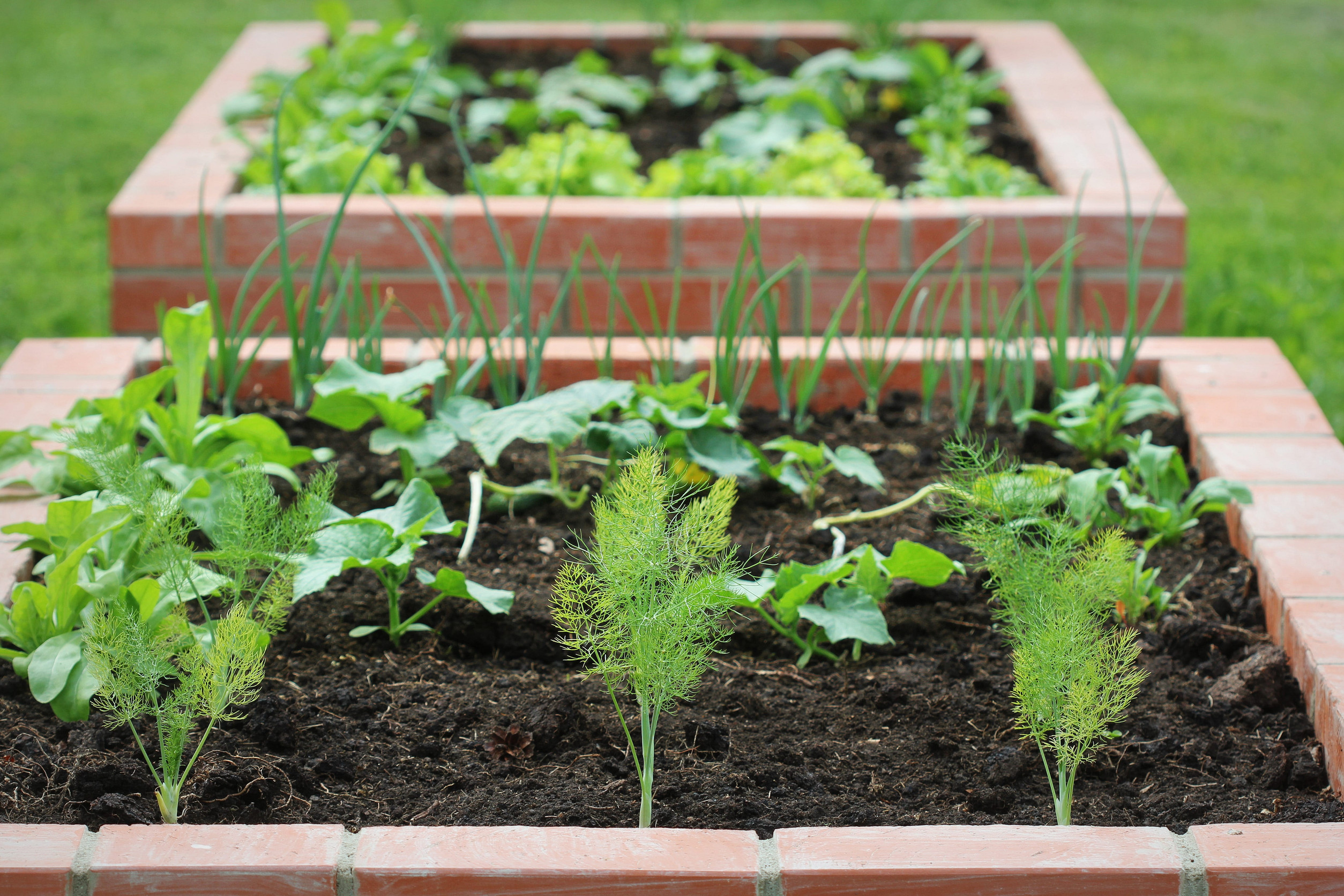
For Duarte and Richardson, their front yard wasn’t just a space for decorative flowers and neatly trimmed grass. It was an opportunity to grow vegetables and herbs for their household.
The couple installed galvanized steel garden beds to grow crops such as tomatoes and peppers. Some containers had reportedly been in place for nearly two years before the homeowners association demanded they be removed.
Their decision to garden in front of the house wasn’t random. Duarte explained that their backyard receives too little sunlight for the vegetables they want to grow. The front yard offered better growing conditions and let the family use the available space practically.
The garden also served a personal purpose. Duarte said money was tight and that some of their children had special dietary needs. Beyond providing ingredients for family meals, the garden taught the children to grow food and make homemade gifts.
The Warning That Changed Everything
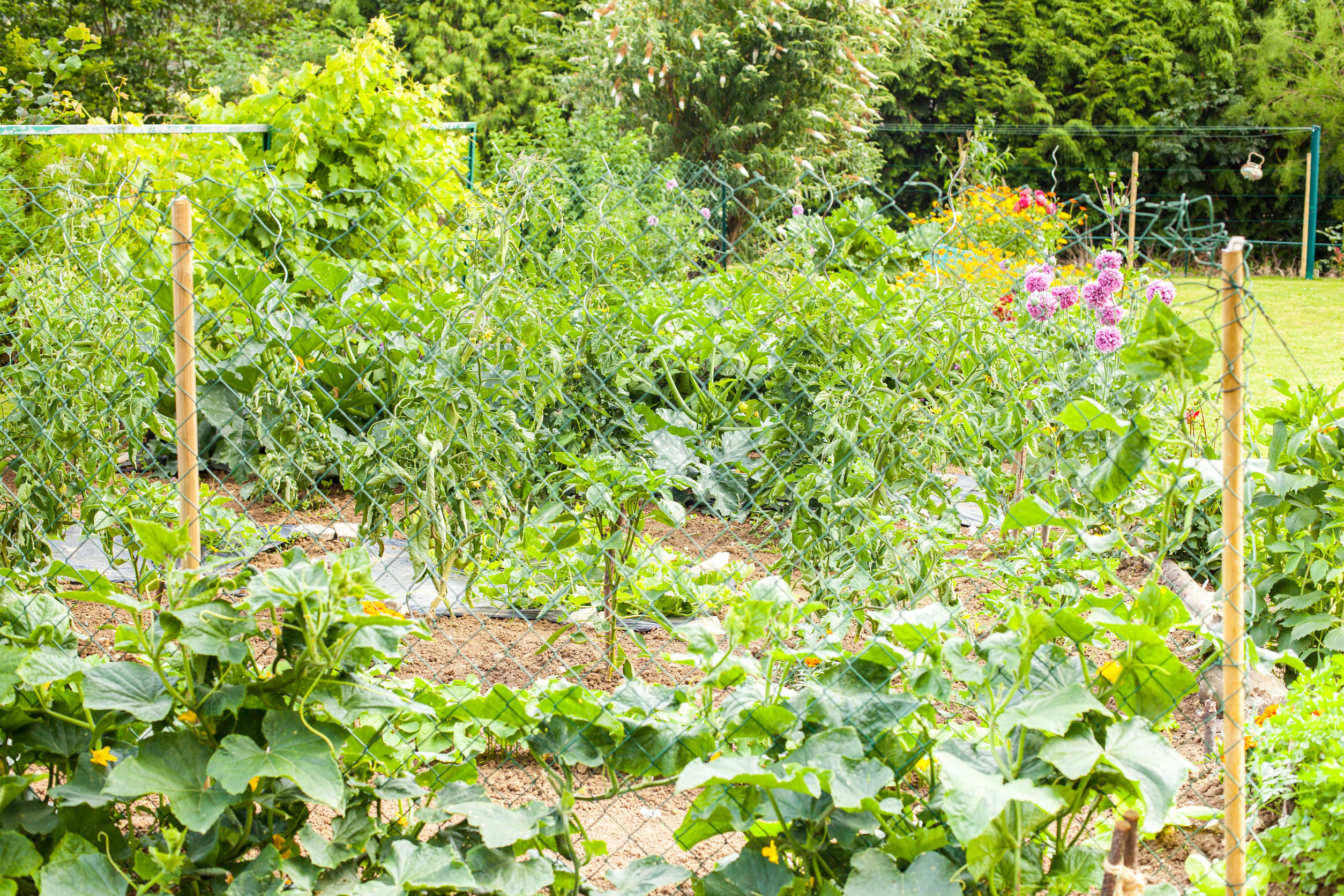
The trouble began in June 2026, when the couple received a notice from their homeowners association’s community manager. The message instructed them to remove their vegetable garden from the front lawn.
At first, Duarte wondered whether the recently installed cucumber trellises had triggered the complaint. Those structures were eventually removed after summer, but the disagreement continued.
The association maintained that the garden beds themselves were the problem. By September 28, the situation had escalated from a warning to a $25 daily fine.
On October 2, Community Management Associates, the company managing the neighborhood, informed Duarte that all the galvanized steel garden beds needed to be removed. The fines would continue until the family complied.
Suddenly, something as ordinary as growing vegetables had become a financial concern. Keeping the garden meant letting additional penalties accumulate, while removing it meant giving up a space the family had invested time and effort in maintaining.
Why the Homeowners Association Objected
Here’s where the situation gets particularly interesting. According to Atlanta News First, the neighborhood’s governing documents do not specifically prohibit vegetable gardens.
Instead, the rules give the homeowners association authority over landscaping and exterior appearances. They also let the board decide whether certain features are unattractive or poorly maintained.
The HOA president reportedly said four residents had complained about the garden. From the association’s perspective, the dispute concerned the community’s appearance standards and its authority to enforce neighborhood rules.
Duarte tried to negotiate rather than ignore the association’s demands. She offered to paint the garden structures, add decorative stone or brick borders, and make other changes that might improve their appearance.
However, those suggestions did not resolve the disagreement. The management company continued to insist that the garden beds be removed entirely.
A Halloween Decoration Sends a Message
With Halloween approaching, Richardson came up with an unusual way to express the family’s frustration. Instead of displaying a conventional protest sign, which he said the neighborhood prohibited, the couple created a Halloween-themed memorial for their garden.
The decoration humorously mourned the vegetable beds while drawing attention to the dispute. It turned a familiar seasonal tradition into a creative statement about the family’s predicament.
The display also highlighted how an ordinary gardening disagreement had grown into something much bigger. What began with tomatoes, peppers, and garden containers was now attracting attention beyond the neighborhood.
The Dispute Reaches the HOA Board
The situation grew even more complicated because Duarte had previously served as the homeowners association secretary. Following the violation, the board removed her from that position and asked her to stay away from meetings until the disagreement was resolved.
Atlanta News First reviewed the association’s bylaws and reported that they contained provisions allowing voting rights to be suspended under certain circumstances. However, the station did not identify a provision explicitly allowing a board member to be excluded from meetings simply because of an unresolved violation.
That added another dimension to the controversy. The disagreement was no longer limited to garden beds and landscaping preferences; it also raised questions about neighborhood governance.
Could Georgia’s New HOA Law Make a Difference?
Georgia passed the Property Owners’ Bill of Rights Act in 2026, introducing additional procedures and oversight for homeowners association disputes. However, important provisions are not scheduled to take effect until January 1, 2027.
The couple has already submitted a complaint to the Georgia Secretary of State, according to Atlanta News First. The state’s guidance says complaints may be submitted before January, but action won’t begin until the applicable provisions take effect.
That doesn’t mean the new law automatically makes the family’s garden permissible. The outcome will depend on the applicable rules, the dispute’s circumstances, and any official decisions that follow.
For now, the case demonstrates how disagreements over landscaping can develop into much larger disputes over homeowners’ rights.
Related: Newsom Has 9 Days to Decide: Could This Bill Spike Your HOA Fees?
What Other Homeowners Can Learn From This Dispute
Thinking about installing raised vegetable beds in your front yard? This Georgia family’s experience offers a few practical lessons worth considering before you start digging.
First, check your homeowners association’s landscaping and architectural guidelines. Even when vegetable gardens aren’t specifically prohibited, broader restrictions on outdoor structures or property appearance may still apply.
Second, consider getting written approval before installing permanent or semi-permanent garden features. A conversation with the association beforehand could help prevent disagreements later.
Finally, think carefully about sunlight and where you place your garden. The University of Georgia Cooperative Extension recommends choosing vegetable-growing areas that receive at least six to eight hours of direct sunlight daily. A front yard may offer better conditions than a shaded backyard, but neighborhood regulations can complicate that decision.
A Small Garden Raises a Bigger Question
As of the latest verified reporting available on October 25, 2026, Duarte and Richardson’s disagreement with their homeowners association remained unresolved. The family challenged the decision, but no final ruling or cancellation of the penalties has been confirmed.
Their story shows how something as simple as growing vegetables can get complicated when personal property choices clash with neighborhood rules. It also reminds homeowners to understand local restrictions before making significant changes to their yards.
After all, growing a few tomatoes might seem like one of the most ordinary things a homeowner can do. But as this Georgia family discovered, even a vegetable garden can become the center of an expensive neighborhood battle.
Related: Why Your Garden Needs Attention in Winter – Even When Nothing Looks Like It’s Growing
Other Posts You May Like
- 9 Garden Mistakes That Secretly Turn Your Beautiful Yard Into an Eyesore
- 10 Easy Evergreen Shrubs That Give Front Yards a Professionally Landscaped Look