That ice clinking in your restaurant soda might not be as clean as you assume.
Ice looks harmless, especially when it comes from a machine behind a restaurant counter. But poorly maintained equipment can allow microorganisms to spread through water, storage bins, and contaminated utensils. Freezing water does not guarantee that harmful germs are eliminated, so proper cleaning and handling are essential in food service establishments. The Centers for Disease Control and Prevention explains how water systems can become sources of microbial contamination.
Ice Machines Can Develop Hidden Buildup
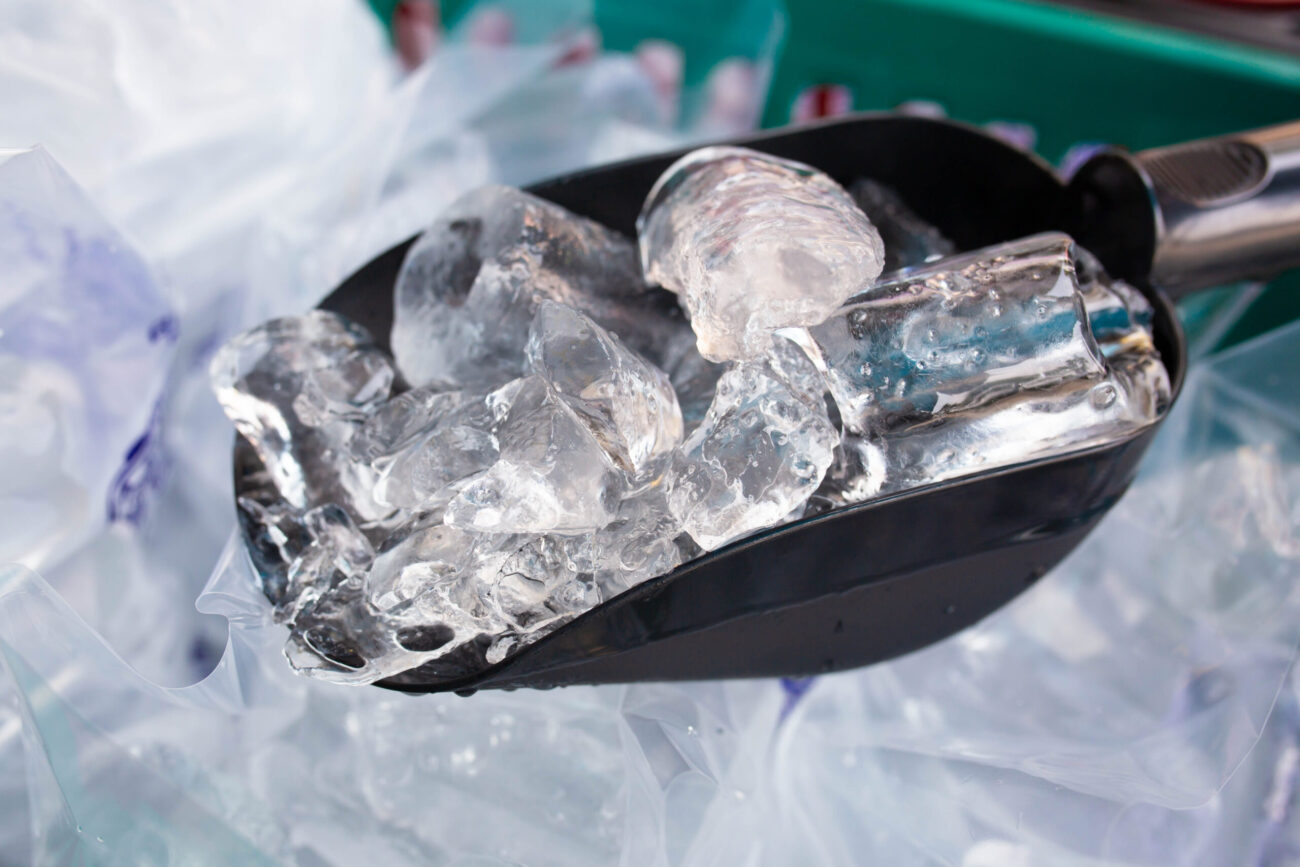
The dirtiest part of an ice machine might be somewhere customers never see.
Moisture, food residue, and neglected surfaces can contribute to slime, mold, and other contaminants around ice-making equipment. Drain lines, internal components, and storage bins require attention because some areas are difficult to inspect during routine cleaning.
This does not mean every restaurant ice machine is dirty. Well-maintained equipment can produce clean ice, but skipped maintenance creates opportunities for contamination. Just as proper kitchen habits help keep food preparation safer, regular cleaning is essential for restaurant equipment.
Freezing Does Not Automatically Kill Germs
A frozen cube isn’t necessarily germ-free.
Many people assume that freezing water makes it safe by killing everything inside it. In reality, freezing can stop or slow the growth of many microorganisms without reliably eliminating them. If contaminated water enters an ice machine, some microorganisms may survive and remain present when the ice melts into a drink.
The CDC’s guidance on environmental infection control highlights the importance of maintaining water systems and controlling contamination. Ice safety starts with clean water and well-maintained equipment, not just low temperatures.
Related: 7 Foods You Should Never Store in the Fridge Door, According to Food Safety Experts
Hands and Scoops Can Spread Contamination
Even clean ice can become contaminated when people handle it incorrectly.
Imagine a busy restaurant during the lunch rush. A worker reaches into an ice bin with bare hands, uses a drinking glass to scoop cubes, or returns a used scoop to the ice. Each action can introduce contaminants into ice that other customers will consume.
Restaurant staff should use a clean scoop and store it on a clean surface outside the ice bin. These small precautions help reduce the transfer of microorganisms between hands, equipment, and beverages.
Why Routine Cleaning Matters
Keeping an ice machine safe requires more than wiping down its exterior.
Restaurant staff should follow the manufacturer’s cleaning and maintenance instructions, including procedures for internal components, water lines, and storage bins. Clean and sanitize equipment with suitable products, following their instructions.
A consistent maintenance schedule helps prevent residue from building up in hard-to-see areas. Restaurants should also document cleaning tasks and ensure employees understand how to perform them correctly.
What Customers Can Do
You cannot inspect every restaurant’s equipment, but you can make sensible choices.
Customers can pay attention to general cleanliness, including whether beverage stations look maintained and employees use appropriate utensils when handling ice. Visible dirt, neglected equipment, or poor hygiene may justify asking staff about their cleaning practices.
However, appearance alone cannot establish whether ice is contaminated. If you have serious concerns about a restaurant’s hygiene, choose another drink or raise the issue with management.
For home cooks, the same attention to detail applies to food preparation. Keeping your kitchen organized and following simple habits to recharge your mind and body can help make everyday routines more manageable.
Clean Ice Should Never Be an Afterthought
Even the smallest part of your drink deserves serious attention.
Restaurant ice machines operate behind the scenes, but their maintenance affects the safety of what customers consume. Clean water, regular equipment cleaning, proper scoop storage, and careful handling all help reduce contamination risks.
The next time you order an iced coffee, soda, or lemonade, remember that safe ice depends on more than freezing water. It depends on the people and procedures that keep the machine clean.
Have you ever avoided ice at a restaurant because something about its cleanliness made you uncomfortable?