Italy is famous for tiramisu, gelato, and cannoli, but some of its most interesting desserts rarely make it onto international menus. Beyond the familiar favorites, regional bakeries and family-run restaurants offer traditional sweets that reveal a completely different side of Italian food culture.
From crispy cheese-filled pastries to rice-based chocolate desserts, these specialties reflect the ingredients and cooking traditions of different Italian regions. Some are tied to religious celebrations, while others have become everyday treats locals enjoy long after tourists leave.
If you’re planning a trip to Italy, consider leaving room for these five lesser-known desserts. You might discover your favorite Italian sweet is one you’ve never heard of.
Seadas: Sardinia’s Crispy Cheese-Filled Pastry
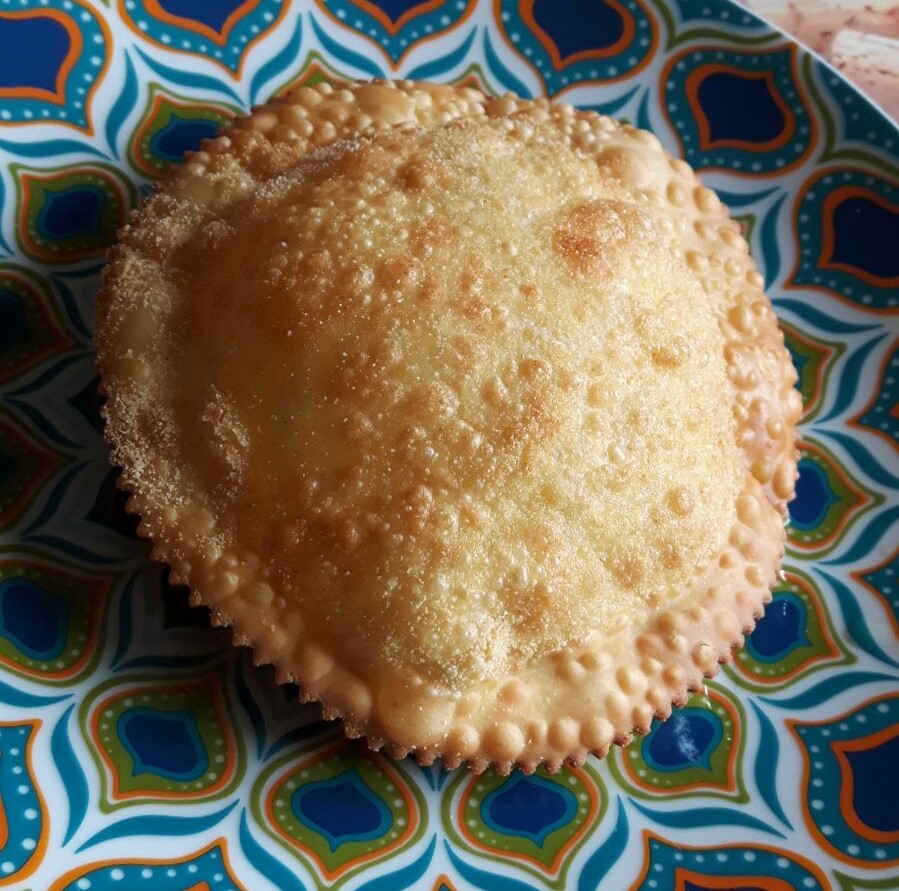
Cheese and honey might sound like an unusual dessert pairing, but in Sardinia, it’s a beloved tradition. Seadas, also called sebadas or sevadas, are fried pastries filled with fresh cheese and finished with a generous drizzle of honey.
Wrap the cheese in a thin layer of dough, then fry until golden. The result is a crisp exterior and a warm, soft filling that contrasts with the honey’s sweetness. Depending on the preparation, the cheese filling may also have a pleasant citrus flavor.
Unlike typical American desserts that rely heavily on sugar, seadas combine sweet and savory elements in a single dish. That contrast makes them memorable, especially when served fresh.
According to Italy’s official tourism website, seadas are traditional throughout Sardinia, where fresh cheese and honey are central to the dessert’s identity.
Travelers visiting the island should look for seadas in restaurants serving traditional Sardinian cuisine. Ask whether they’re made fresh, since the contrast between the crisp pastry and warm cheese is a big part of their appeal.
Bonèt: Piedmont’s Chocolate and Amaretti Pudding
If you enjoy chocolate pudding or caramel custard, bonèt deserves a place on your dessert list. This traditional Piedmont specialty from northern Italy has a rich chocolate flavor, a smooth texture, and a distinctive ingredient that sets it apart from ordinary pudding.
That ingredient is amaretti, Italian almond-flavored cookies crushed and incorporated into the custard. Traditional versions also include eggs, milk, sugar, cocoa, and rum, creating a dessert with layered flavor.
The mixture is poured into a caramel-lined mold, baked in a water bath, then chilled. When served, the caramel adds another dimension to the chocolate-and-almond combination.
Bonèt has deep roots in Piedmontese cooking. Turin’s official tourism organization notes that versions of the dessert appeared in 19th-century recipe books, and the regional agricultural authority recognizes it as a traditional Piedmontese product.
For American travelers, bonèt offers something familiar enough to enjoy immediately while still feeling distinctly Italian. It resembles a chocolate custard, but the amaretti and liqueur give it its own character.
Look for it on dessert menus in Turin and other parts of Piedmont, particularly in restaurants specializing in regional dishes.
Torta Co’ Bischeri: Tuscany’s Chocolate and Rice Pie
When most people think of Italian desserts, rice probably isn’t the first ingredient that comes to mind. But near Pisa in Tuscany, a traditional pie combines cooked rice with chocolate, nuts, dried fruit, and spices.
Known as torta co’ bischeri, this regional specialty is especially associated with Pontasserchio, a town near Pisa. Its filling typically includes rice, dark chocolate, pine nuts, raisins, candied fruit, and aromatic spices enclosed in a shortcrust pastry shell.
The dessert’s unusual name refers to the pointed folds of pastry that decorate its edge. These small peaks resemble guitar tuning heads, giving the pie its distinctive appearance.
What makes this dessert especially interesting is its history. According to Visit Tuscany, it dates to the early 16th century and was traditionally prepared for pilgrims visiting Pontasserchio during a religious celebration on April 28.
Today, torta co’ bischeri remains connected to the Pisa area. Rice and chocolate create a substantial filling, while pine nuts and dried fruit add contrasting textures.
If you’re visiting Pisa to see its famous Leaning Tower, consider making room in your itinerary for a traditional pastry shop. A slice of torta co’ bischeri offers a taste of Tuscany that goes well beyond the region’s most familiar dishes.
Gelu i Muluni: Sicily’s Watermelon Dessert
Sicily is famous for cannoli and granita, but another regional specialty deserves attention, especially in summer. It’s called gelu i muluni, a chilled watermelon dessert with a delicate, pudding-like consistency.
Despite the name, this is not ordinary watermelon jelly or a frozen fruit dessert. Traditional preparation combines strained watermelon juice with starch and sugar, then gently cooks it until thickened.
The mixture is then poured into bowls or molds and refrigerated until set. Cinnamon, jasmine, and dark chocolate are among the ingredients traditionally used to flavor or decorate the finished dessert.
The combination might sound unexpected, especially to travelers accustomed to eating watermelon fresh. However, the fruit gives the dessert its distinctive flavor, while the other ingredients create an elegant presentation.
Sicily’s official tourism website describes gelu i muluni as a traditional summer dessert associated with hospitality and gatherings on warm evenings. Although it has strong seasonal roots, preparations using preserved watermelon juice can make it available at other times of the year.
If you’re traveling through Palermo or elsewhere in Sicily, look for this specialty at local pastry shops. It’s an appealing alternative when you want something different from the usual scoop of gelato.
Related: 7 Easy and Indulgent Instant Pot Desserts for a Cozy Night at Home
Fruttone Leccese: Puglia’s Chocolate-Covered Almond Pastry
In southern Italy, Lecce is known for its beautiful Baroque architecture and its famous custard-filled pasticciotto. Yet another local pastry deserves attention, especially if you enjoy chocolate, almonds, and fruit fillings.
Fruttone leccese is made with a shortcrust pastry shell filled with jam and almond paste. The pastry is finished with a layer of dark chocolate, creating a combination of sweet fruit, rich almond filling, and a firm chocolate topping.
Although it shares some similarities with pasticciotto, the filling gives fruttone a completely different character. Instead of relying on smooth custard, it brings together several contrasting flavors and textures in a compact pastry.
The dessert is part of Lecce’s traditional food culture in Puglia’s Salento area. Italy’s official tourism website lists fruttone alongside pasticciotto as a local sweet worth discovering while exploring the city.
For visitors who enjoy stopping at neighborhood bakeries, fruttone is an excellent choice. It also lets you compare two traditional pastries from the same region and see how different fillings can transform a similar pastry shell.
When visiting Lecce, look for fruttone in a local pasticceria, the Italian term for a pastry shop. It can be an especially satisfying companion to an afternoon coffee.
Why Exploring Italy’s Regional Desserts Is Worth It
Italy’s dessert culture extends far beyond the familiar treats found on menus worldwide. Each region has developed specialties shaped by its local ingredients, celebrations, and culinary traditions.
A cheese-filled pastry may seem unusual until you taste it in Sardinia. A chocolate pie containing rice might sound unexpected until you discover its connection to centuries of Tuscan tradition.
That’s part of the pleasure of traveling through Italy. Food isn’t simply something to enjoy between sightseeing stops. It can also introduce you to the customs and history of the places you’re visiting.
For your next Italian vacation, consider asking a local baker or restaurant server which traditional dessert they recommend. You might come home remembering a little-known regional specialty just as fondly as the country’s famous pasta, pizza, and gelato.